Bench Grinder Low Speed - Precision Grinding Tool for Professional Sharpening and Metalworking Applications

All Categories

Get a Custom Quote

Our representative will contact you soon.
Email
Name
Company Name
WhatsApp
Message
0/1000

bench grinder low speed

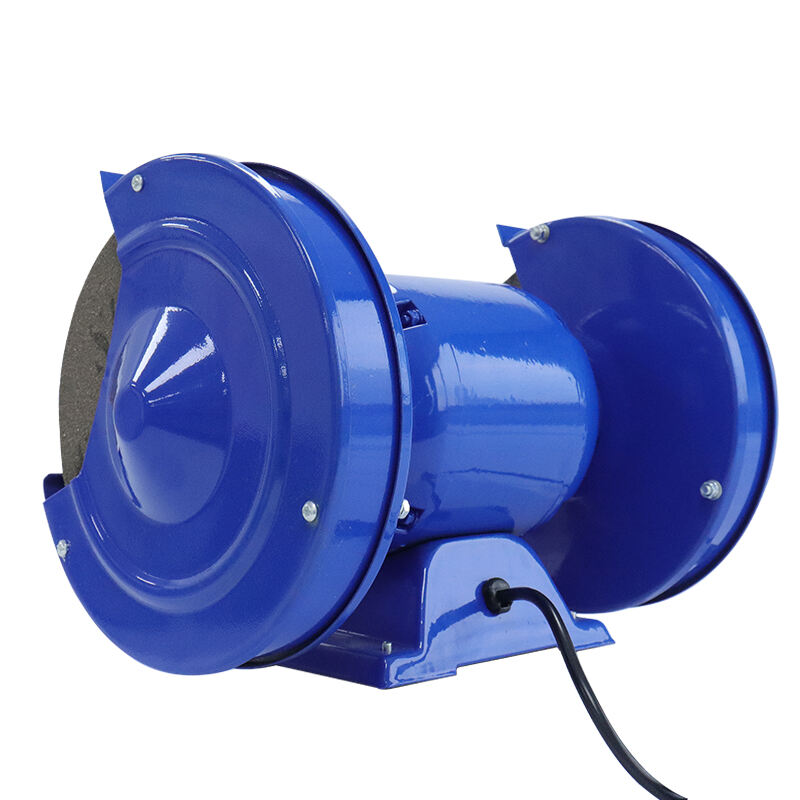
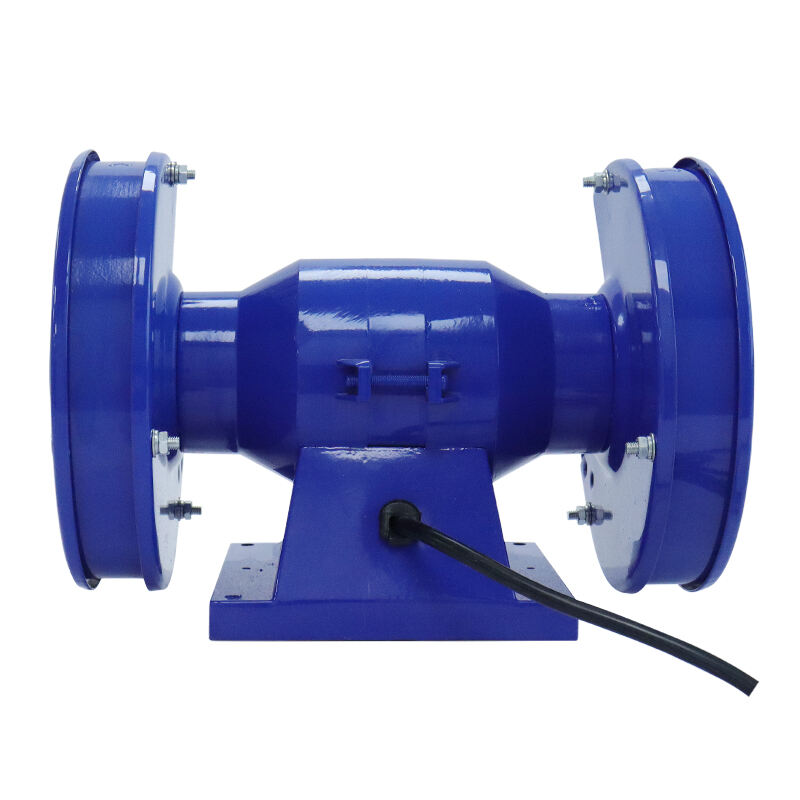
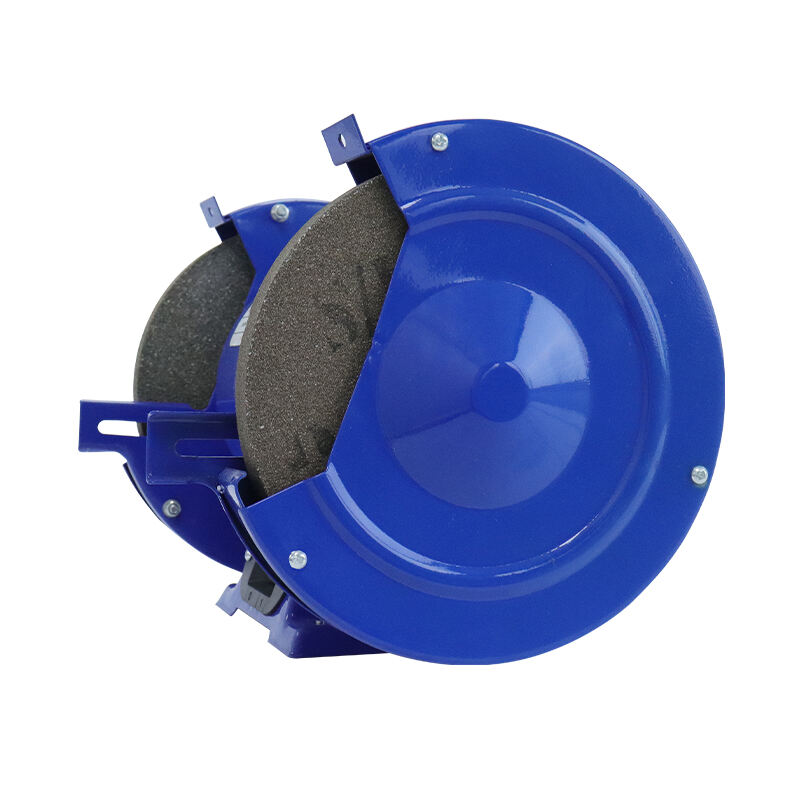
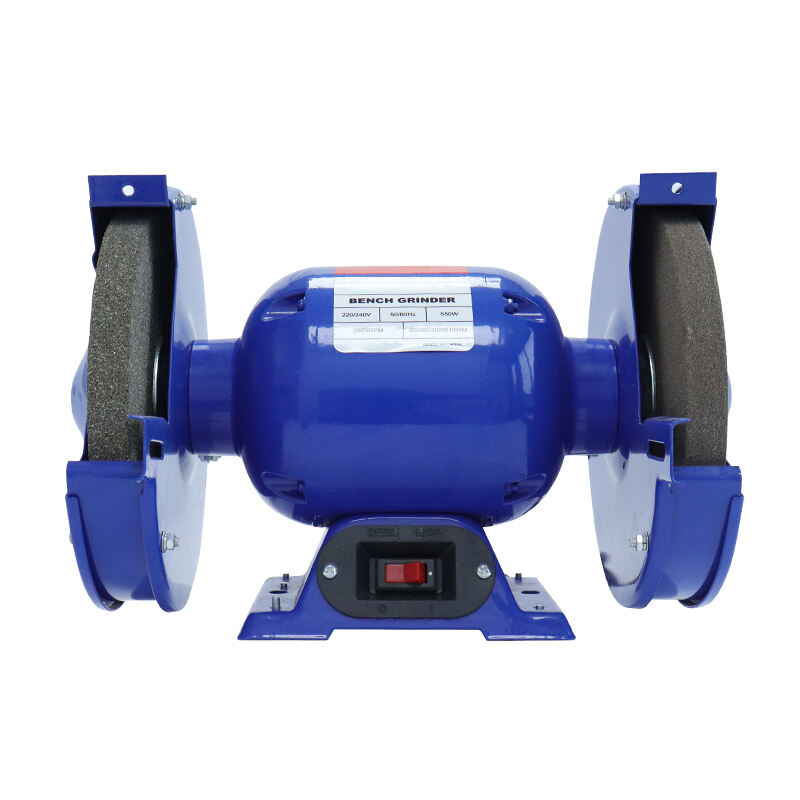
A bench grinder low speed represents a specialized workshop tool designed to provide controlled, precise grinding operations at reduced rotational velocities compared to standard bench grinders. This equipment typically operates at speeds ranging from 1200 to 1800 revolutions per minute, significantly lower than conventional models that run at 3000 to 3600 RPM. The fundamental purpose of this machine centers on delivering enhanced control during grinding, sharpening, and polishing tasks where excessive speed could damage workpieces or compromise precision. The bench grinder low speed incorporates robust construction featuring cast iron or heavy-duty steel bases that minimize vibration during operation, ensuring stability throughout extended work sessions. These machines commonly feature dual grinding wheels mounted on opposite ends of a central motor shaft, allowing users to configure different grit wheels for various applications. The reduced operational speed makes this tool particularly valuable for working with heat-sensitive materials, delicate edges, and applications requiring exceptional surface finish quality. Modern bench grinder low speed units integrate adjustable tool rests that provide stable support for workpieces during grinding operations, while transparent safety shields protect operators from sparks and debris. The lower rotational velocity generates less heat buildup, preserving the temper of tool steels and preventing burning of cutting edges during sharpening processes. These grinders prove indispensable in professional workshops, home garages, woodworking studios, and metalworking facilities where precision and material preservation take precedence over rapid stock removal. The technological evolution of bench grinder low speed equipment has introduced variable speed controls, allowing operators to fine-tune rotational velocity for specific materials and tasks, further expanding the versatility of these essential workshop tools.

New Product Releases

The bench grinder low speed delivers numerous practical benefits that directly improve your workshop capabilities and work quality. First and foremost, this tool protects your valuable cutting instruments from heat damage. When you sharpen knives, chisels, plane blades, or scissors at reduced speeds, you prevent the dangerous overheating that ruins tempered steel. This preservation of tool integrity saves you money by extending the lifespan of expensive cutting implements. The controlled grinding action allows you to maintain precise bevel angles consistently, ensuring your edged tools perform optimally after each sharpening session. You gain superior control over material removal rates, which proves especially valuable when working with thin or delicate items that require careful handling. The bench grinder low speed excels at finishing operations, producing smooth surfaces on metal components without the aggressive cutting action that faster grinders create. You can safely polish soft metals like aluminum, brass, and copper without generating excessive heat that causes workpiece distortion or surface damage. This machine enables you to sharpen woodturning tools with exceptional accuracy, creating clean cutting edges that produce superior finishes on turned projects. The reduced operational noise compared to high-speed grinders creates a more pleasant working environment, allowing you to concentrate better on precision tasks. You experience less operator fatigue during extended grinding sessions because the lower speed reduces vibration transmitted through the tool rest to your hands. The bench grinder low speed accommodates specialized wheels including buffing wheels, wire brushes, and polishing compounds more effectively than high-speed alternatives. You can safely grind plastics and composite materials that would melt or degrade under the friction heat generated by faster grinding speeds. The machine provides excellent versatility for hobby craftsmen, knife makers, woodworkers, and metalworkers who demand precision results. You benefit from safer operation overall, as the reduced wheel velocity decreases the severity of potential accidents and makes the grinding process more predictable. The bench grinder low speed lets you work with carbide-tipped tools more effectively, maintaining sharp edges without risking the brittle carbide material. Your workshop gains a dedicated precision tool that complements rather than replaces standard grinders, providing specialized capabilities that enhance your overall metalworking and sharpening abilities.

Latest News

How to Safely Use an Angle Grinder: Expert Tips

04

Mar

How to Safely Use an Angle Grinder: Expert Tips

An angle grinder is one of the most versatile and powerful tools in any workshop or construction site, capable of cutting, grinding, and polishing various materials with remarkable efficiency. However, the very power that makes this tool so valuable ...
View More
How to Choose the Perfect Cordless Wrench for DIY Projects

03

Apr

How to Choose the Perfect Cordless Wrench for DIY Projects

Selecting the right cordless wrench for DIY projects can make the difference between frustrating hours of work and smooth, efficient completion of your tasks. With numerous cordless wrench options available in today's market, understanding the key fa...
View More
2026 Best Cordless Wrench Models: Top 10 Buyer's Guide

03

Apr

2026 Best Cordless Wrench Models: Top 10 Buyer's Guide

The cordless wrench market continues to evolve rapidly in 2026, with manufacturers introducing advanced lithium-ion battery technology, improved torque control systems, and enhanced ergonomic designs. Professional mechanics, automotive technicians, a...
View More
The Professional’s Guide to Cordless Angle Grinder Engineering: Maximizing Torque, Battery Efficiency, and Safety Standards in Metalworking

08

May

The Professional’s Guide to Cordless Angle Grinder Engineering: Maximizing Torque, Battery Efficiency, and Safety Standards in Metalworking

Modern metalworking operations demand power tools that combine mobility with industrial-grade performance, and the cordless angle grinder has emerged as a transformative solution for professionals who refuse to compromise between portability and cutt...
View More

Get a Custom Quote

Our representative will contact you soon.
Email
Name
Company Name
WhatsApp
Message
0/1000

bench grinder low speed

Precision Temperature Control for Superior Tool Preservation

Precision Temperature Control for Superior Tool Preservation

The bench grinder low speed stands out prominently for its exceptional ability to maintain optimal temperature conditions during grinding operations, a critical factor that directly impacts tool longevity and performance quality. When you grind or sharpen cutting instruments at high rotational speeds, friction generates substantial heat that transfers rapidly into the metal being worked. This thermal energy can quickly exceed critical temperature thresholds, causing permanent damage to carefully heat-treated steel. Tool steels undergo precise tempering processes during manufacturing that establish specific hardness characteristics essential for edge retention and durability. Excessive heat during sharpening can draw the temper from these tools, softening the metal and rendering expensive cutting instruments virtually useless. The bench grinder low speed addresses this fundamental challenge by operating at reduced velocities that dramatically decrease friction and heat generation. This controlled thermal environment allows you to sharpen chisels, plane irons, carving tools, and other precision instruments without risking their metallurgical properties. Professional craftsmen particularly value this capability when maintaining premium Japanese woodworking tools, high-carbon steel knives, and vintage hand tools that cannot be easily replaced. The lower speed provides you with ample time to observe the grinding process, apply appropriate pressure, and use water or coolant when necessary to further manage temperatures. You gain the confidence to sharpen tools to razor-sharp edges without the constant anxiety of overheating that accompanies high-speed grinding. This feature proves especially valuable for beginners learning proper sharpening techniques, as the forgiving nature of low-speed grinding allows skill development without costly mistakes. The bench grinder low speed enables you to work methodically and deliberately, checking your progress frequently and making incremental adjustments to achieve perfect results. This temperature management capability extends beyond edge tools to include grinding operations on heat-sensitive materials such as thin metal stock, aluminum components, and precision mechanical parts where dimensional accuracy depends on preventing thermal expansion during machining. The practical benefit translates directly to economic advantages, as your cutting tools maintain their effectiveness longer, require less frequent replacement, and deliver consistent performance throughout their extended service life.
Enhanced Safety Features Through Reduced Operational Velocity

Enhanced Safety Features Through Reduced Operational Velocity

Safety considerations represent paramount concerns in any workshop environment, and the bench grinder low speed delivers significant protective advantages through its fundamental design characteristics. The reduced rotational velocity inherently decreases the kinetic energy present in the spinning grinding wheels, substantially lowering the potential severity of accidents should contact occur with the wheel surface. When grinding wheels operate at conventional high speeds, any inadvertent contact with the rotating abrasive surface can cause serious injury, violently grabbing workpieces from your hands or causing painful abrasions. The bench grinder low speed mitigates these risks considerably by providing operators with enhanced reaction time to respond to unexpected situations. The slower wheel movement allows you to position workpieces more deliberately, adjust tool rest settings with greater precision, and maintain consistent control throughout grinding operations. This controlled environment particularly benefits operators with limited experience who are still developing proper grinding techniques and safety habits. The reduced speed minimizes the throwing force that can propel debris, sparks, and small particles away from the grinding wheel, containing these materials more effectively within the safety shield area. You experience less startling impact from the initial contact between workpiece and wheel, promoting steadier hand positioning and reducing the likelihood of jerky movements that compromise grinding accuracy. The bench grinder low speed generates significantly less vibration than high-speed counterparts, contributing to improved stability and reducing the risk of workpieces shifting unexpectedly during operations. The lower operational noise levels allow you to remain more aware of your workshop surroundings, hear warning signals, and maintain better overall situational awareness while working. These acoustic benefits reduce hearing damage risk during extended grinding sessions, protecting your long-term health without requiring uncomfortable hearing protection that can isolate you from important environmental sounds. The reduced wheel velocity decreases the catastrophic potential should a grinding wheel fail structurally during operation, as the lower rotational speed reduces the explosive force that sends wheel fragments flying at dangerous velocities. You benefit from improved visibility of the grinding contact point, as the slower speed allows your eyes to track the grinding action more easily, facilitating precise control and immediate recognition of problems. The bench grinder low speed naturally encourages proper grinding technique by rewarding patient, controlled movements rather than aggressive material removal that characterizes high-speed grinding practices.
Versatile Material Compatibility for Diverse Workshop Applications

Versatile Material Compatibility for Diverse Workshop Applications

The bench grinder low speed distinguishes itself through remarkable versatility in handling an extensive range of materials and applications that would prove challenging or impossible with conventional high-speed grinding equipment. This adaptability stems directly from the reduced rotational velocity that permits grinding operations on materials sensitive to heat, friction, or aggressive mechanical action. You can confidently work with soft non-ferrous metals including aluminum, brass, bronze, and copper, materials that tend to load grinding wheels rapidly or smear across abrasive surfaces when ground at high speeds. The controlled speed allows these softer metals to be shaped, deburred, and finished effectively without generating the excessive heat that causes material distortion or surface damage. Plastics and composite materials that would melt, burn, or delaminate under high-speed grinding conditions can be successfully processed using the bench grinder low speed with appropriate wheel selection. This capability proves particularly valuable for craftsmen working with modern synthetic materials in knife handle construction, decorative inlay work, or custom tool modifications. The machine accommodates specialized wheels and accessories that expand its functionality far beyond simple grinding operations. You can mount buffing wheels charged with various polishing compounds to achieve mirror finishes on metal components, leather stropping wheels for final edge refinement on cutting tools, or wire brushes for cleaning and surface preparation tasks. The bench grinder low speed excels at sharpening carbide-tipped cutting tools used in woodworking and metalworking applications, as the reduced speed and controlled grinding action preserve the brittle carbide material while creating keen cutting edges. Woodturners particularly appreciate this capability for maintaining scrapers, gouges, and specialty turning tools that require precise edge geometry for optimal performance. The lower operational speed permits safe grinding of thin materials and delicate components that would flex, vibrate, or fracture under the aggressive forces generated by high-speed grinders. You can sharpen scissors, thin carving knives, and other tools with minimal material thickness that require gentle treatment during maintenance. The bench grinder low speed facilitates accurate tool and cutter grinding for custom tool making, allowing you to create specialized cutting implements for unique applications. Metalworkers use these machines for precision grinding operations on small parts, achieving tight tolerances and excellent surface finishes that would be difficult to maintain with faster equipment. The reduced speed provides superior control when grinding complex shapes, curved edges, or intricate profiles that demand careful attention and incremental material removal.


Get a Custom Quote

Our representative will contact you soon.
Email
Name
Company Name
WhatsApp
Message
0/1000