Cost-Effective Investment with Long-Term Value
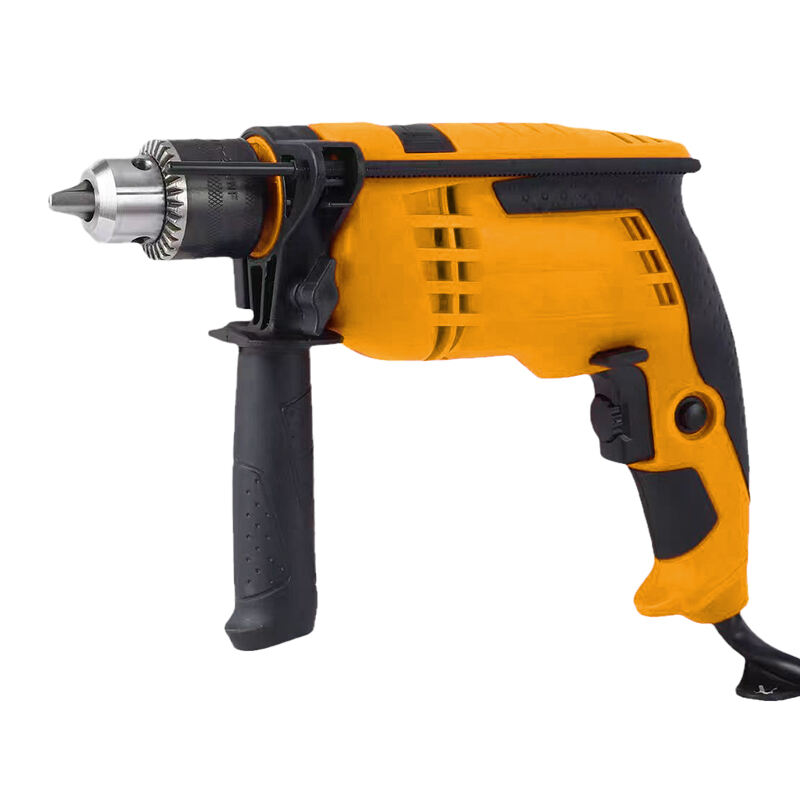
The corded electric drill represents a remarkably cost-effective investment that delivers exceptional long-term value through multiple economic advantages spanning initial purchase price, operating costs, and lifecycle durability. When comparing retail prices across equivalent quality and power specifications, corded electric drill models consistently cost significantly less than their cordless counterparts, often by 30 to 50 percent or more, because they lack the expensive battery packs and charging systems that comprise substantial portions of cordless tool costs. This lower entry price makes capable, professional-grade drilling power accessible to budget-conscious homeowners and tradespeople who need reliable performance without premium pricing. The economic benefits extend well beyond initial purchase, as corded electric drill owners avoid the recurring expense of replacement batteries that inevitably degrade through charge cycles and calendar aging, eventually requiring costly replacement to restore original performance levels. Battery replacement costs frequently approach or exceed half the price of an entirely new cordless tool, turning what seemed like a one-time investment into an ongoing expense obligation. By eliminating this consumable component, the corded electric drill maintains its original capabilities indefinitely with only minimal maintenance such as occasional brush replacement in models using brushed motors, or essentially zero maintenance in modern brushless motor designs. This longevity translates into superior return on investment, as a quality corded electric drill purchased today can deliver identical performance decades into the future without capacity fade or runtime decline. The simplified construction with fewer electronic components also reduces failure points, enhancing reliability and decreasing the likelihood of expensive repairs or premature replacement. From an operational cost perspective, electricity consumed during corded electric drill use remains negligible, typically costing mere pennies per hour even during continuous operation, especially compared to the embedded energy costs and environmental impact of manufacturing, shipping, and eventually disposing of multiple battery packs over equivalent timeframes. For professional users managing tool inventories across multiple workers, standardizing on corded electric drills for workshop and jobsite locations with power access dramatically reduces capital tied up in battery ecosystems while simplifying logistics around charging infrastructure and battery rotation systems. The cost-effectiveness also extends to accessory compatibility, as quality corded electric drill models accept standard chuck sizes that work with drill bits and attachments users may already own, avoiding proprietary connection systems that limit options or inflate accessory costs. Insurance and risk management considerations favor corded models as well, since they present no fire risk from battery thermal events during storage or charging, potentially reducing insurance premiums and liability exposure for business operations.

 EN
EN