
 EN
EN
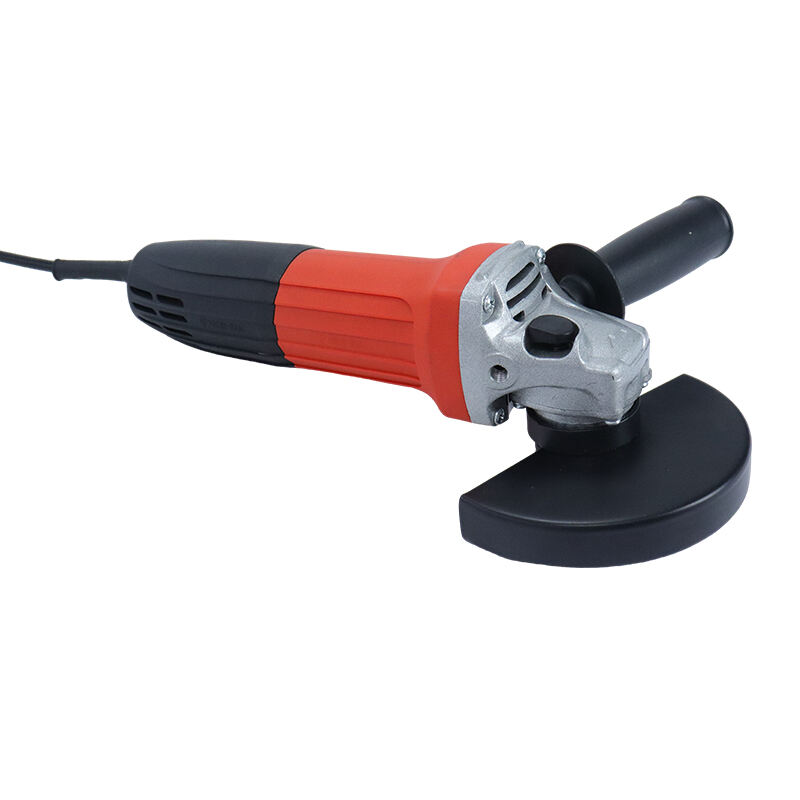
The angle grinder has become an indispensable tool for DIY enthusiasts and professional craftsmen alike. This versatile power tool transforms from a simple grinding machine into a multi-purpose workshop companion when paired with the right attachments. Whether you're tackling metal fabrication, woodworking projects, or general home repairs, understanding which angle grinder attachments to use can dramatically expand your tool's capabilities and improve project outcomes.

Modern angle grinder technology has evolved significantly, offering cordless models that provide unprecedented mobility and convenience for DIY projects. These portable powerhouses deliver professional-grade performance while eliminating the constraints of power cords, making them ideal for outdoor projects and tight workspace applications.
Cutting Discs for Precision Material Separation
Metal Cutting Applications
Metal cutting discs represent the most fundamental attachment for any angle grinder setup. These thin, reinforced discs excel at slicing through steel, aluminum, copper, and various metal alloys with remarkable precision. The key to successful metal cutting lies in selecting the appropriate disc thickness and composition for your specific material. Thinner discs, typically ranging from 1mm to 3mm, provide cleaner cuts with minimal material waste, while thicker variants offer enhanced durability for heavy-duty applications.
Professional-grade metal cutting discs feature aluminum oxide or silicon carbide abrasives bonded with reinforcing fiberglass mesh. This construction ensures consistent performance under high rotational speeds while maintaining structural integrity during demanding cutting operations. When using your angle grinder for metal cutting, always maintain steady pressure and allow the disc to do the work, avoiding excessive force that can lead to disc binding or premature wear.
Masonry and Concrete Cutting Techniques
Diamond-tipped cutting discs transform your angle grinder into a formidable masonry cutting tool capable of handling brick, concrete, stone, and ceramic tiles. These specialized attachments utilize industrial diamond particles embedded in the cutting edge to slice through the hardest construction materials. The diamond coating provides exceptional durability and maintains cutting efficiency even after extended use on abrasive surfaces.
Wet cutting techniques with diamond discs significantly extend attachment life while reducing dust generation during masonry operations. Many diamond cutting discs feature segmented or continuous rim designs, with segmented varieties offering faster cutting speeds and continuous rims providing smoother finishes. Understanding these distinctions helps DIY enthusiasts select the optimal diamond disc for their specific masonry cutting requirements.
Grinding Wheels for Surface Preparation
Aggressive Material Removal
Coarse grinding wheels serve as the heavy-duty workhorses of angle grinder attachments, designed for rapid material removal and surface preparation tasks. These attachments typically feature 24 to 36-grit abrasive ratings, making them ideal for removing rust, paint, weld seams, and surface imperfections from metal substrates. The aggressive cutting action of coarse grinding wheels allows DIY enthusiasts to reshape metal components and prepare surfaces for welding or finishing operations.
Professional angle grinder operators understand that proper wheel selection directly impacts project efficiency and surface quality. Coarse grinding wheels work best when applied with moderate pressure and consistent movement patterns to avoid gouging or overheating the workpiece. Regular wheel dressing with a diamond dresser maintains optimal grinding performance and extends attachment life during intensive material removal operations.
Fine Finishing Applications
Fine-grit grinding wheels, ranging from 80 to 220-grit ratings, provide the precision finishing capabilities necessary for achieving smooth, uniform surfaces. These attachments excel at blending weld joints, removing minor surface scratches, and preparing metal surfaces for painting or coating applications. The controlled abrasive action of fine grinding wheels allows operators to achieve consistent surface textures without compromising dimensional accuracy.
Surface finishing with fine grinding wheels requires patience and technique to achieve professional-grade results. Maintaining consistent contact pressure and overlap patterns ensures uniform surface texture across the entire workpiece. Many experienced craftsmen prefer to progress through multiple grit ratings, starting with medium grits and finishing with fine attachments to achieve optimal surface quality.
Wire Brushes for Cleaning and Surface Treatment
Rust and Corrosion Removal
Wire brush attachments convert your angle grinder into a powerful surface cleaning tool capable of removing rust, corrosion, old paint, and stubborn deposits from metal surfaces. These attachments feature steel wire bristles arranged in either cup or wheel configurations, with cup brushes providing concentrated cleaning action and wheel brushes offering broader surface coverage. The aggressive brushing action effectively strips contaminated surface layers while preserving the underlying base material.
Stainless steel wire brushes offer superior corrosion resistance compared to carbon steel variants, making them ideal for applications involving moisture exposure or chemical environments. The selection between crimped and knotted wire configurations depends on the desired cleaning intensity, with knotted wires providing more aggressive cleaning action for heavily corroded surfaces. Proper safety equipment becomes essential when using wire brush attachments due to the potential for wire bristle ejection during operation.
Paint Stripping and Surface Preparation
Brass wire brushes provide gentler cleaning action suitable for paint stripping and delicate surface preparation tasks. These attachments effectively remove multiple paint layers without damaging the underlying substrate, making them invaluable for restoration projects and antique metal refinishing applications. The non-sparking properties of brass wire brushes also make them suitable for use in potentially explosive environments where spark generation must be minimized.
Surface preparation with wire brush attachments requires careful attention to brush pressure and movement patterns to achieve consistent results. Excessive pressure can embed wire particles in soft metals or create unwanted surface textures, while insufficient pressure fails to remove stubborn contaminants effectively. Experienced operators develop a feel for optimal brushing techniques that maximize cleaning efficiency while preserving surface integrity.
Polishing and Buffing Attachments
Metal Polishing Techniques
Felt polishing wheels and buffing pads transform your angle grinder into a precision polishing system capable of achieving mirror-like finishes on metal surfaces. These soft attachments work in conjunction with polishing compounds to gradually refine surface textures and eliminate microscopic scratches left by previous grinding operations. The key to successful metal polishing lies in understanding the relationship between polishing compound selection, wheel pressure, and rotational speed.
Professional polishing techniques typically involve multiple stages, progressing from coarse polishing compounds to fine finishing products. Each stage removes scratches left by the previous operation while introducing progressively finer surface textures. Maintaining consistent wheel contact and avoiding excessive pressure prevents heat buildup that can damage both the workpiece and polishing attachment. Regular compound application ensures optimal polishing performance throughout the finishing process.
Automotive and Decorative Applications
Foam polishing pads offer excellent versatility for automotive detailing and decorative metalwork applications. These attachments provide controlled polishing action with reduced risk of surface damage compared to traditional felt wheels. The open-cell foam structure effectively holds polishing compounds while distributing them evenly across the workpiece surface. Different foam densities provide varying levels of cutting action, allowing operators to select the optimal pad for their specific polishing requirements.
Automotive restoration projects benefit significantly from the precision control offered by foam polishing attachments. These pads excel at removing oxidation from chrome trim, polishing aluminum wheels, and restoring painted surfaces to original luster. The reduced heat generation associated with foam pads makes them particularly suitable for temperature-sensitive materials that might be damaged by aggressive polishing techniques.
Specialty Attachments for Advanced Applications
Wood Carving and Shaping Discs
Specialized wood carving discs expand angle grinder capabilities into woodworking applications, offering unique solutions for sculptural projects and architectural millwork. These attachments feature carbide-tipped cutters arranged in various patterns to provide controlled wood removal with minimal tear-out. Chain saw discs represent one popular variant, utilizing miniature chain segments to carve contoured surfaces and create decorative textures in wood substrates.
Wood shaping with angle grinder attachments requires careful attention to grain direction and cutting depth to achieve professional results. The high rotational speed of angle grinders can cause excessive heat buildup in wood, potentially leading to scorching or premature tool wear. Experienced woodworkers develop techniques for managing cutting speed and feed rates to maintain optimal material removal without compromising surface quality or attachment longevity.
Concrete Surface Texturing
Concrete grinding attachments enable DIY enthusiasts to level uneven surfaces, remove coatings, and create decorative textures in concrete substrates. These specialized discs feature aggressive diamond segments designed to handle the abrasive nature of concrete while maintaining consistent cutting performance. Surface preparation applications include removing old adhesives, leveling high spots, and creating mechanical bonding profiles for overlay systems.
Professional concrete surface preparation requires understanding the relationship between diamond grit selection, grinding pressure, and surface texture requirements. Coarse diamond segments provide rapid material removal for initial surface preparation, while fine grits create smooth finishes suitable for decorative applications. Dust collection systems become essential when grinding concrete to maintain workplace visibility and protect operator health from silica dust exposure.
Safety Considerations and Best Practices
Personal Protective Equipment
Operating angle grinder attachments safely requires comprehensive personal protective equipment to guard against potential hazards including flying debris, sparks, and noise exposure. Safety glasses with side shields provide essential eye protection, while face shields offer additional coverage for high-risk operations. Hearing protection becomes mandatory due to the high noise levels generated by angle grinder operations, particularly when using aggressive cutting or grinding attachments.
Respiratory protection assumes critical importance when grinding materials that generate hazardous dust particles. Silica dust from concrete grinding operations poses serious long-term health risks, requiring appropriate respirator selection and proper fit testing. Cut-resistant gloves provide hand protection while maintaining dexterity necessary for precise tool control, though operators must avoid loose-fitting gloves that could become entangled in rotating attachments.
Attachment Selection and Installation
Proper attachment selection involves matching disc specifications to both the angle grinder capabilities and intended application requirements. RPM ratings must never exceed the angle grinder maximum speed to prevent catastrophic disc failure and potential operator injury. Attachment diameter compatibility ensures proper guard clearance and maintains safe operating distances from the cutting or grinding surface.
Installation procedures require careful attention to mounting hardware condition and proper tightening torque specifications. Worn or damaged flanges can cause attachment wobble or premature failure, compromising both performance and safety. Regular inspection of mounting surfaces for wear, corrosion, or damage helps prevent attachment failures that could result in serious injury or property damage.
FAQ
What safety precautions should I take when using angle grinder attachments
Always wear appropriate personal protective equipment including safety glasses, hearing protection, and dust masks when operating angle grinder attachments. Ensure attachments are rated for your grinder's maximum RPM and properly secured before operation. Maintain firm grip on the tool with both hands and position yourself to avoid potential kickback injuries. Never remove safety guards or modify attachments beyond manufacturer specifications.
How do I choose the right cutting disc for different materials
Material-specific cutting discs optimize performance and safety for different applications. Use aluminum oxide discs for ferrous metals like steel and iron, while silicon carbide variants work best with non-ferrous metals including aluminum and copper. Diamond discs handle masonry materials like concrete and stone, while specialized wood cutting attachments prevent binding and provide clean cuts in lumber applications.
Can I use the same angle grinder for both metal and wood projects
While technically possible, using separate angle grinders for metal and wood projects prevents cross-contamination and maintains optimal performance. Metal debris embedded in wood cutting attachments can cause tear-out and surface damage, while wood resins can clog metal cutting discs. If using one grinder for multiple materials, thoroughly clean attachments between applications and inspect for embedded particles that could compromise performance.
How often should I replace angle grinder attachments
Attachment replacement frequency depends on usage intensity, material types, and operating techniques. Cutting discs should be replaced when diameter reduces to manufacturer minimum specifications or when visible cracks appear. Grinding wheels require replacement when worn to the backing material or when vibration increases noticeably. Wire brushes need replacement when bristles become significantly shortened or begin shedding excessively during operation.
