
 EN
EN
Finding a reliable circular saw within a tight budget can be challenging, especially when balancing essential features with affordability. The market offers numerous options under $100, but understanding which circular saw models deliver the best value requires careful evaluation of cutting performance, durability, and safety features. This comprehensive guide examines the key factors that make budget-friendly circular saw options stand out in the competitive woodworking tool market.
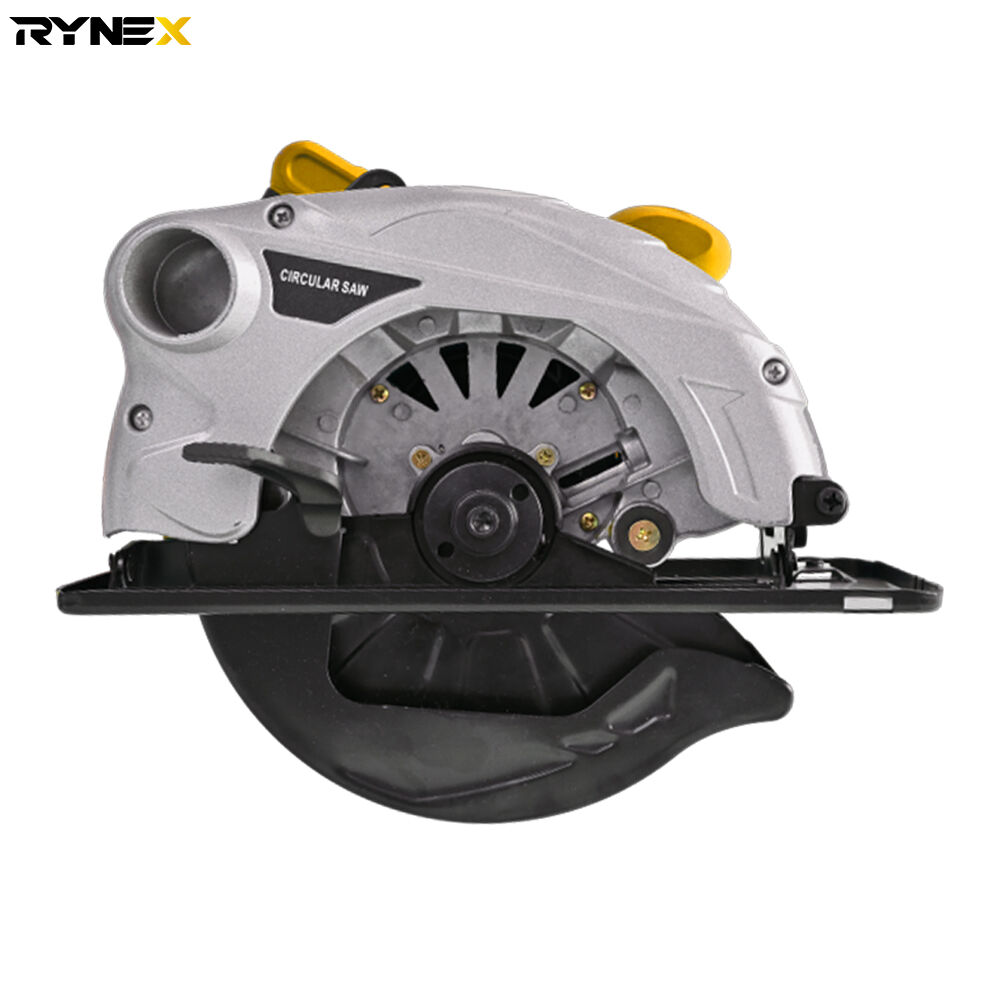
Budget-conscious contractors, DIY enthusiasts, and hobbyist woodworkers need practical guidance to select the most suitable circular saw for their specific cutting requirements. The under-$100 price range contains surprisingly capable tools that can handle various materials including lumber, plywood, and construction boards. Understanding the essential specifications and performance benchmarks helps buyers make informed decisions without compromising on quality or safety standards.
Essential Features to Look for in Budget Circular Saws
Motor Power and Performance Standards
The motor power directly influences a circular saw's cutting capacity and overall performance across different materials. Budget models typically feature 12 to 15-amp motors that provide sufficient power for most residential and light commercial applications. A quality circular saw in this price range should maintain consistent blade speed under load, preventing motor burnout during extended cutting sessions.
Blade speed specifications range from 4,500 to 5,800 RPM in the budget category, with higher speeds generally offering cleaner cuts in hardwood materials. The motor housing design affects heat dissipation and longevity, making proper ventilation crucial for sustained performance. Quality budget options incorporate thermal protection systems that prevent overheating during demanding cutting operations.
Cutting Depth and Bevel Adjustments
Maximum cutting depth determines the thickness of materials a circular saw can handle in single passes. Standard budget models offer 2-3/8 inch cutting depth at 90 degrees, which accommodates most lumber dimensions used in residential construction. The bevel adjustment mechanism should operate smoothly and lock securely at common angles including 22.5, 45, and 56 degrees.
Depth adjustment systems in budget circular saws typically use lever or knob mechanisms that should engage positively without excessive play. Quality models provide clear depth markings and maintain accuracy across repeated adjustments. The base plate material and flatness significantly impact cutting precision, with cast aluminum or heavy-duty plastic bases offering better stability than lightweight alternatives.
Safety Features and Ergonomic Design
Budget circular saw models must include essential safety features such as blade guards that retract smoothly during cutting and return immediately when the cut is complete. The auxiliary handle positioning affects control during extended use, particularly when making overhead or vertical cuts. Proper handle design reduces fatigue and improves cutting accuracy across various work positions.
Electric brake systems, while less common in budget models, provide significant safety advantages by stopping blade rotation within seconds of trigger release. Spindle lock features allow for easy blade changes without requiring additional tools. Quality budget options incorporate dust port connections for shop vacuum attachment, improving visibility and workspace cleanliness during cutting operations.
Performance Evaluation Criteria
Cutting Quality and Precision
Cutting quality in budget circular saw options depends heavily on blade quality, motor stability, and base plate precision. A well-designed circular saw maintains straight cuts without deflection, even when cutting through dense hardwood or engineered lumber. Base plate warping or flexibility creates wandering cuts that require additional finishing work.
Edge quality assessment involves examining cut smoothness, tear-out minimization, and dimensional accuracy across repeated cuts. Budget models that maintain consistent results demonstrate proper motor mounting and bearing quality. Blade deflection during cutting indicates insufficient motor torque or poor blade quality, both of which compromise project outcomes and material efficiency.
Durability and Build Quality Assessment
Long-term durability in budget circular saw models relates directly to component quality and assembly precision. Motor brushes, bearing systems, and gear trains must withstand regular use without premature wear or failure. Quality budget tools incorporate sealed bearings and proper lubrication systems that extend operational life beyond basic warranty periods.
Housing material quality affects both durability and user comfort during extended cutting sessions. Heavy-duty plastic housings provide adequate protection while keeping tool weight manageable, while metal motor housings offer superior heat dissipation but increase overall tool weight. Cord quality and strain relief design prevent electrical failures that commonly affect budget power tools.
Value Comparison and Selection Strategy
Price-to-Performance Analysis
Evaluating circular saw value within the under-$100 segment requires balancing initial cost against expected service life and performance capabilities. Tools priced at the upper end of this range often provide significantly better components and construction quality compared to bottom-tier options. The additional investment typically results in improved cutting precision, reduced maintenance requirements, and extended operational life.
Feature comparison across price points reveals where manufacturers make cost compromises in budget circular saw designs. Lower-priced models may use plastic components where metal alternatives provide better durability, or simplified adjustment mechanisms that affect long-term accuracy. Understanding these trade-offs helps buyers select tools that match their specific usage patterns and quality expectations.
Brand Reputation and Warranty Considerations
Brand reputation provides valuable insight into expected performance and reliability of budget circular saw options. Established manufacturers typically maintain quality control standards even in entry-level products, while lesser-known brands may offer attractive pricing but inconsistent quality. Warranty coverage and parts availability significantly impact long-term ownership costs and tool reliability.
Customer service quality becomes particularly important for budget tools, as users may require technical support or replacement parts during the tool's service life. Manufacturers with established service networks provide better support for warranty claims and maintenance requirements. Online reviews and professional evaluations offer additional insight into real-world performance and reliability patterns across different brands.
Practical Usage Applications
Home Renovation and DIY Projects
Budget circular saw applications in home renovation include trim work, flooring installation, deck construction, and general carpentry tasks. These tools handle common materials such as pine lumber, plywood, oriented strand board, and composite decking materials effectively when equipped with appropriate blades. Project complexity and material requirements determine whether budget options provide sufficient capability or require professional-grade alternatives.
DIY woodworking projects benefit from the portability and convenience of budget circular saw models, particularly for outdoor construction or workshop applications where corded power is readily available. Crosscutting dimensional lumber, ripping sheet goods, and creating beveled edges represent typical tasks within the capability range of quality budget options. Proper blade selection significantly impacts cutting quality and tool performance across different material types.
Light Commercial and Professional Use
Light commercial applications may utilize budget circular saw options for specific tasks where tool replacement costs and theft concerns make expensive professional tools impractical. Contractors working on rental properties, maintenance operations, or temporary construction projects often find budget tools provide adequate performance for less demanding applications. Tool durability becomes more critical in commercial environments due to increased usage frequency and varied operating conditions.
Professional tradespeople may incorporate budget circular saw models as backup tools or for specific applications where tool damage risk is elevated. Roofing work, demolition projects, and outdoor construction expose tools to harsh conditions that can damage expensive professional equipment. Budget options provide functional capability while limiting financial exposure in challenging work environments.
FAQ
What cutting depth should I expect from a circular saw under $100?
Most budget circular saws under $100 provide 2-3/8 inch cutting depth at 90 degrees, which handles standard 2x8 lumber and most sheet goods. At 45-degree bevel angles, cutting depth reduces to approximately 1-5/8 inches, still adequate for most residential framing and finishing applications.
How long do budget circular saw motors typically last?
Budget circular saw motors generally provide 200-500 hours of operation with proper maintenance and appropriate usage patterns. Motor life depends on load conditions, maintenance frequency, and build quality, with higher-end budget models often exceeding 300 hours of reliable service.
Can budget circular saws handle hardwood cutting effectively?
Quality budget circular saws can cut hardwood materials effectively when equipped with appropriate carbide-tipped blades and operated at proper feed rates. Motor power limitations may require slower cutting speeds compared to professional models, but results remain acceptable for most woodworking applications.
What blade types work best with budget circular saw models?
Budget circular saws perform best with general-purpose carbide-tipped blades featuring 24-40 teeth for versatile cutting applications. Specialty blades for specific materials like plywood or metal require adequate motor power and should be matched to the tool's capabilities to prevent motor strain or poor cutting quality.
