
 EN
EN
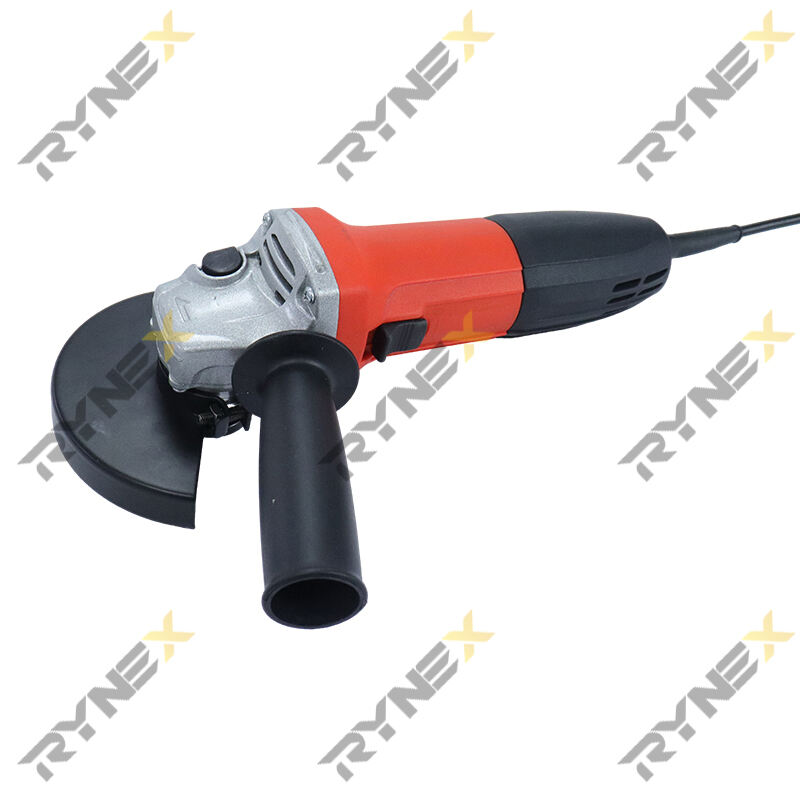
Choosing between a cordless angle grinder and a corded model represents one of the most critical decisions for professionals and DIY enthusiasts alike. The selection directly impacts your productivity, mobility, and overall project outcomes. While corded angle grinders have traditionally dominated construction sites and workshops, the emergence of advanced battery technology has made the cordless angle grinder a compelling alternative that challenges conventional wisdom about power tool performance.

The decision between cordless and corded angle grinders depends on your specific application requirements, work environment constraints, and performance expectations. Understanding the fundamental differences in power delivery, operational flexibility, and cost considerations will guide you toward the optimal choice for your grinding, cutting, and finishing tasks. This comprehensive analysis examines both options through practical scenarios to help you make an informed purchasing decision.
Power Performance and Motor Characteristics
Corded Angle Grinder Power Advantages
Corded angle grinders deliver consistent, uninterrupted power directly from electrical outlets, typically ranging from 4 to 15 amperes. This direct electrical connection ensures steady torque output without power degradation during extended operations. The continuous power supply allows corded models to maintain peak performance throughout demanding applications such as heavy-duty metal cutting, concrete grinding, and large-scale surface preparation tasks.
The motor design in corded angle grinders can accommodate higher wattage ratings, often exceeding 1500 watts in professional models. This substantial power capacity translates to faster material removal rates and the ability to handle thicker materials without motor stalling. The consistent power delivery also means that disc speed remains stable under load, ensuring uniform cutting and grinding results across extended work sessions.
Corded models excel in applications requiring sustained high-power output, such as structural steel fabrication, masonry work, and industrial maintenance tasks. The unlimited runtime eliminates productivity interruptions caused by battery charging cycles, making corded angle grinders the preferred choice for continuous heavy-duty operations.
Cordless Angle Grinder Power Evolution
Modern cordless angle grinder technology has achieved remarkable power output improvements through advanced lithium-ion battery systems and brushless motor designs. High-voltage battery platforms, typically 18V to 40V, now deliver power levels that closely match many corded counterparts for medium-duty applications. Brushless motors in cordless models optimize energy efficiency and provide better power-to-weight ratios compared to traditional brushed motor designs.
The latest cordless angle grinder models incorporate intelligent power management systems that monitor battery charge levels and automatically adjust motor output to maximize runtime while maintaining consistent performance. These systems prevent sudden power drops and provide predictable operation throughout the battery discharge cycle. Some advanced models feature power boost modes that temporarily increase output for demanding cuts or grinding operations.
Battery technology advancements have significantly reduced the performance gap between cordless and corded angle grinders for most standard applications. High-capacity battery packs now provide sufficient runtime for typical project completion while maintaining power levels adequate for cutting rebar, grinding welds, and surface finishing tasks. The cordless angle grinder has become a viable primary tool rather than just a convenience option for many professionals.
Mobility and Workspace Flexibility
Cordless Operation Advantages
The primary benefit of a cordless angle grinder lies in its complete freedom from electrical infrastructure limitations. This mobility advantage becomes particularly valuable in remote construction sites, outdoor projects, and locations where electrical outlets are unavailable or impractical to access. The absence of power cords eliminates tripping hazards and reduces the need for extension cord management in complex work environments.
Cordless angle grinders enable efficient work in confined spaces where cord routing would be challenging or impossible. Overhead work, tight corners, and equipment maintenance scenarios benefit significantly from the unrestricted movement that cordless operation provides. The enhanced maneuverability allows operators to maintain optimal cutting angles and grinding positions without cord interference affecting tool control.
Emergency repairs and field maintenance applications particularly favor cordless angle grinders due to their immediate availability without infrastructure dependencies. Construction crews can address unexpected cutting or grinding needs without locating power sources or deploying generators, improving overall project efficiency and reducing downtime costs.
Corded Model Workspace Considerations
Corded angle grinders require careful workspace planning to accommodate electrical infrastructure needs and cord management requirements. Workshop environments typically provide optimal conditions for corded tool operation with readily available outlets and organized cord routing systems. The permanent power connection ensures uninterrupted operation but limits working radius to cord length plus any extension cord additions.
Electrical safety considerations become more complex with corded angle grinders in wet or outdoor environments. Ground fault circuit interrupter protection and proper electrical grounding requirements must be addressed to ensure safe operation. The electrical connection also introduces potential safety hazards in environments with flammable materials or explosive atmospheres where spark-free operation may be required.
Despite mobility limitations, corded angle grinders excel in stationary work applications such as fabrication shops, maintenance bays, and dedicated grinding stations. The consistent power availability and absence of battery weight make corded models suitable for extended precision work where operator fatigue minimization is important.
Runtime and Operational Efficiency
Battery Life and Charging Considerations
Battery runtime in cordless angle grinders varies significantly based on application intensity, disc type, and material hardness. Typical runtime ranges from 15 to 60 minutes of continuous operation, with light grinding tasks achieving longer operation periods than heavy cutting applications. High-capacity battery packs extend runtime but increase tool weight and initial investment costs.
Charging cycle requirements introduce operational planning considerations that affect project scheduling and tool availability. Fast-charging systems can restore battery capacity in 30 to 60 minutes, while standard chargers may require several hours for complete charging cycles. Professional applications often require multiple battery packs to maintain continuous operation capabilities during extended work sessions.
Battery degradation over time affects long-term performance and operational costs. Lithium-ion batteries typically maintain performance for 300 to 500 charge cycles before capacity reduction becomes noticeable. Replacement battery costs and availability become important factors in total cost of ownership calculations for cordless angle grinder systems.
Unlimited Runtime Benefits
Corded angle grinders provide unlimited operational time without interruption, making them ideal for large-scale projects and continuous production environments. The consistent power availability eliminates productivity losses associated with battery charging cycles and allows for predictable project completion schedules. This reliability factor makes corded models preferred choices for time-critical applications and high-volume work scenarios.
Heat management in corded angle grinders benefits from unlimited runtime capability, as operators can work at sustainable pace levels without rushing to complete tasks before battery depletion. The absence of battery-related time pressure allows for proper cooling periods and optimal cutting speeds that maximize disc life and maintain cut quality throughout extended operations.
Professional environments requiring continuous tool availability, such as production facilities and heavy construction projects, benefit from the operational certainty that corded angle grinders provide. The elimination of battery-related variables simplifies project planning and ensures consistent tool performance throughout work shifts.
Cost Analysis and Value Considerations
Initial Investment Comparison
Corded angle grinders typically require lower initial investment costs compared to equivalent cordless angle grinder systems. Basic corded models start at significantly lower price points and include all necessary components for immediate operation. The absence of battery and charging system costs makes corded options more accessible for budget-conscious users and occasional-use applications.
Cordless angle grinder systems involve higher upfront costs due to battery technology and charging infrastructure requirements. However, the initial investment often includes compatibility with broader cordless tool ecosystems, providing value through battery and charger sharing across multiple tools. Professional-grade cordless systems require careful evaluation of battery capacity, charging speed, and system compatibility to optimize value.
The cost differential between corded and cordless angle grinders continues to narrow as battery technology becomes more affordable and manufacturing scales increase. Premium features such as brushless motors, electronic controls, and advanced safety systems are increasingly available across both power delivery methods at competitive price points.
Long-term Ownership Costs
Total cost of ownership calculations must include battery replacement, charging infrastructure, and operational efficiency factors. Cordless angle grinder batteries require periodic replacement, typically every 2-5 years depending on usage patterns and care practices. Battery replacement costs can represent significant ongoing expenses that affect long-term value propositions.
Corded angle grinders generally incur lower long-term maintenance costs due to simpler mechanical designs and absence of battery-related components. Motor brushes in corded models require occasional replacement, but overall maintenance requirements typically focus on standard wear components such as bearings and switches rather than expensive electronic systems.
Operational efficiency differences between cordless and corded angle grinders can impact labor costs and project completion times. The mobility advantages of cordless models may offset higher equipment costs through improved productivity in certain applications, while unlimited runtime capabilities of corded models provide advantages in high-volume work scenarios.
Application-Specific Selection Criteria
Professional Trade Applications
Welding and fabrication professionals often prefer corded angle grinders for continuous grinding operations, weld cleanup, and precision finishing tasks. The consistent power delivery ensures uniform results across extended work sessions, while unlimited runtime supports production schedule requirements. Heavy-duty cutting applications in structural steel work typically demand the sustained high-power output that corded models provide most reliably.
Electrical contractors and maintenance technicians frequently choose cordless angle grinder systems for their mobility advantages in accessing equipment and routing work. The absence of additional electrical connections simplifies safety protocols and reduces setup time in complex electrical environments. Emergency repair scenarios particularly benefit from cordless operation where power availability may be limited or compromised.
Construction and remodeling professionals must evaluate project-specific requirements when selecting between cordless and corded angle grinders. Outdoor work, remote locations, and multi-story construction projects often favor cordless models, while workshop-based fabrication and continuous production tasks typically benefit from corded power delivery.
DIY and Occasional Use Scenarios
Home improvement projects and occasional metalworking tasks may find cordless angle grinder systems provide optimal convenience and safety benefits. The simplified setup process and elimination of cord management reduce complexity for inexperienced users while providing adequate performance for typical residential applications. Battery-powered operation also reduces electrical safety concerns in outdoor and wet conditions common in home projects.
Hobby metalworking and artistic applications often benefit from cordless angle grinder mobility for detailed work and creative positioning requirements. The enhanced maneuverability allows for precision grinding and finishing operations that would be difficult with cord limitations. However, runtime considerations may require project planning around battery capacity for larger artistic endeavors.
Budget-conscious users must weigh initial cost advantages of corded models against the convenience benefits of cordless operation. Occasional use patterns may not justify the higher investment in cordless systems, while frequent users may find the productivity benefits offset the additional costs over time.
FAQ
How long does a cordless angle grinder battery typically last during continuous use?
Battery runtime for cordless angle grinders typically ranges from 15 to 60 minutes of continuous operation, depending on the battery capacity, motor efficiency, and application intensity. Light grinding and finishing tasks generally achieve longer runtime than heavy cutting operations. High-capacity battery packs can extend operation time but add weight and cost to the tool system.
Can a cordless angle grinder match the power output of corded models?
Modern cordless angle grinders with brushless motors and high-voltage battery systems can closely match corded power output for most standard applications. However, corded models still maintain advantages in sustained high-power operations and maximum torque output. The performance gap continues to narrow as battery technology advances, making cordless models viable alternatives for many professional applications.
What factors should determine whether to choose cordless or corded for professional use?
Professional selection should prioritize application requirements, work environment constraints, and productivity considerations. Choose corded models for continuous heavy-duty operations, workshop-based work, and maximum power requirements. Select cordless systems for mobility-critical applications, remote work locations, and scenarios where electrical access is limited or creates safety concerns.
Are cordless angle grinders worth the higher initial investment cost?
The value proposition of cordless angle grinders depends on your specific usage patterns and work requirements. The higher initial cost may be justified by improved productivity in mobile applications, reduced setup time, and enhanced safety in certain environments. Consider total cost of ownership including battery replacement, charging infrastructure, and operational efficiency benefits when evaluating the investment decision.
Table of Contents
- Power Performance and Motor Characteristics
- Mobility and Workspace Flexibility
- Runtime and Operational Efficiency
- Cost Analysis and Value Considerations
- Application-Specific Selection Criteria
-
FAQ
- How long does a cordless angle grinder battery typically last during continuous use?
- Can a cordless angle grinder match the power output of corded models?
- What factors should determine whether to choose cordless or corded for professional use?
- Are cordless angle grinders worth the higher initial investment cost?
