
 EN
EN
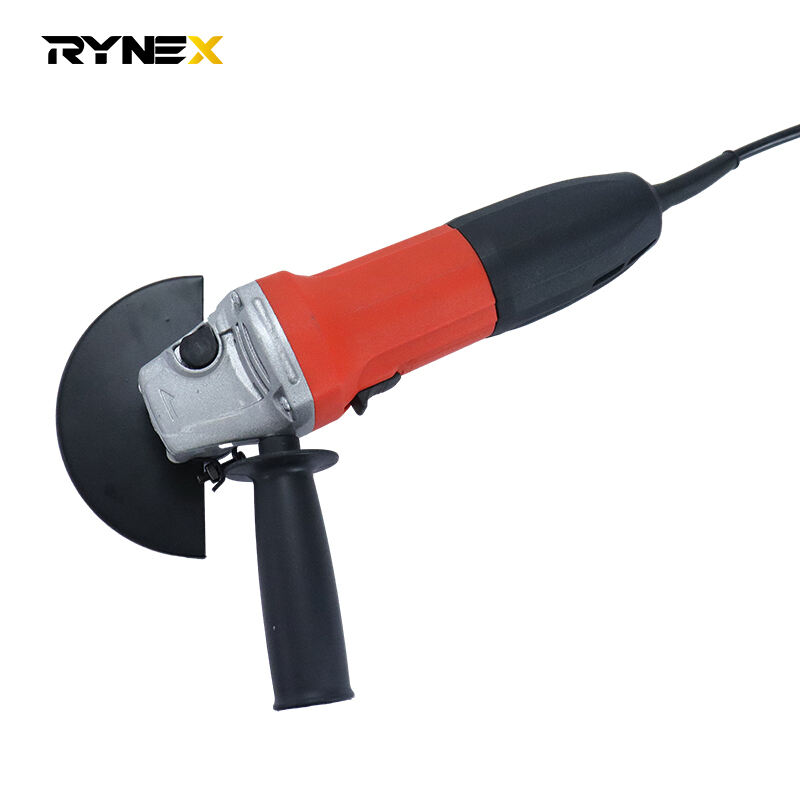
Choisir la clé sans fil adaptée à vos projets de bricolage peut faire la différence entre des heures de travail frustrantes et une réalisation fluide et efficace de vos tâches. Avec les nombreuses options de clés sans fil disponibles sur le marché actuel, il devient essentiel de comprendre les facteurs clés qui déterminent les performances, la durabilité et l’adéquation à des applications spécifiques de bricolage afin de prendre une décision d’achat éclairée.

Que vous travailliez sur de la maintenance automobile, du montage de meubles ou de projets d’amélioration de l’habitat, la clé sans fil idéale doit correspondre à vos besoins spécifiques, à votre niveau de compétence et à l’étendue de votre projet. Ce guide complet vous accompagnera pas à pas à travers les critères essentiels de sélection afin de vous aider à identifier la clé sans fil parfaite, offrant des performances fiables pour vos projets de bricolage tout en assurant un excellent rapport qualité-prix.
Comprendre la puissance et les exigences de couple des clés sans fil
Évaluer la sortie de couple pour les applications de bricolage
La puissance de serrage d'une clé sans fil détermine directement sa capacité à effectuer différentes tâches de fixation dans vos projets bricolage. Pour la plupart des applications domestiques, une clé sans fil offrant un couple compris entre 100 et 300 livres-pied fournit une puissance suffisante pour le montage de meubles, les travaux automobiles de base et les tâches générales d'entretien. Des valeurs de couple plus élevées deviennent nécessaires lorsqu'on travaille avec des boulons plus gros ou des fixations récalcitrantes exposées aux intempéries.
Lors de l'évaluation des caractéristiques de couple, prenez en compte à la fois la capacité de couple maximale et la capacité de l'outil à délivrer un couple constant tout au long du cycle de charge de la batterie. Une clé sans fil de qualité doit maintenir des performances stables même lorsque la batterie se décharge, garantissant ainsi un fonctionnement fiable pendant des sessions prolongées de bricolage. Comprendre les exigences typiques de vos projets vous aide à choisir une clé sans fil dotée d'un niveau de puissance adapté, sans payer inutilement des fonctionnalités haute performance superflues.
Corrélation entre la tension de la batterie et les performances
La tension nominale d’un système de batterie pour clé à cliquet sans fil influence considérablement les capacités globales de performance de l’outil ainsi que sa durée d’autonomie. Les tensions courantes comprennent les plateformes 12 V, 18 V et 20 V, les systèmes à tension plus élevée offrant généralement une puissance accrue et une durée de fonctionnement plus longue entre deux charges. Pour les bricoleurs amateurs, une clé à cliquet sans fil de 18 V ou 20 V offre généralement le meilleur équilibre entre puissance et portabilité, répondant ainsi aux exigences variées des projets.
La technologie de la batterie influe également sur la valeur à long terme de votre investissement dans une clé à cliquet sans fil. Les batteries au lithium-ion offrent des performances supérieures à celles des anciennes batteries au nickel-cadmium, avec des temps de charge plus rapides, une autonomie plus longue et un poids réduit. Lors du choix d’une clé à cliquet sans fil, privilégiez les modèles équipés d’une technologie de batterie au lithium-ion afin d’assurer des performances optimales et une longévité accrue pour vos projets de bricolage.
Évaluation de la qualité de fabrication et des caractéristiques de durabilité
Matériaux de construction et éléments de conception
La qualité de construction d'une clé sans fil détermine sa capacité à résister aux exigences d'une utilisation bricolage régulière et à des applications occasionnelles intensives. Privilégiez les modèles dotés de matériaux robustes pour le boîtier, tels que des polymères résistants aux chocs ou des composants en aluminium, capables de supporter les chutes accidentelles et les manipulations brutales typiques des environnements bricolage. Le boîtier du moteur doit offrir une protection adéquate contre la poussière et l'humidité, auxquelles on est couramment exposé dans les garages et les ateliers.
Portez une attention particulière aux caractéristiques de conception ergonomique qui améliorent le confort lors d’utilisations prolongées. clé sans fil doit présenter une répartition équilibrée du poids, une surface de préhension confortable et un positionnement intuitif des commandes afin de réduire la fatigue de la main pendant des séances prolongées de bricolage. Des matériaux antidérapants pour la poignée et un placement stratégique du poids contribuent à un meilleur contrôle et à une moindre fatigue de l’utilisateur.
Qualité des composants et indicateurs de fiabilité
La qualité des composants internes affecte considérablement la longévité et les performances constantes d’une clé sans fil au fil du temps. Les modèles haut de gamme intègrent des systèmes d’engrenages conçus avec précision, assurant un fonctionnement fluide et un transfert efficace de la puissance du moteur vers l’arbre de sortie. Privilégiez les modèles de clés sans fil dotés de balais en carbone remplaçables, de roulements à billes étanches et de conceptions robustes du moteur, capables de supporter une utilisation fréquente sans usure prématurée.
Le mandrin et le système de fixation de la douille constituent un autre indicateur critique de qualité lors du choix d’une clé sans fil. Les modèles haut de gamme sont équipés de mandrins en acier trempé associés à des mécanismes de fixation fiables de la douille, empêchant tout déboîtement pendant l’utilisation. Ces composants doivent offrir une fonctionnalité d’engagement et de libération constante afin de garantir des performances fiables tout au long de la durée de service de l’outil.
Adapter les caractéristiques de l’outil aux types de projets bricolage
Régimes de vitesse et réglages de contrôle pour des applications polyvalentes
Les fonctionnalités de réglage de la vitesse variable permettent à une clé sans fil de s’adapter aux différents types de fixations et aux sensibilités des matériaux rencontrées dans les projets bricolage. Plusieurs vitesses préréglées vous permettent d’utiliser des vitesses plus faibles pour des applications délicates, telles que le montage électronique, ou des vitesses plus élevées pour des tâches générales de construction. La clé sans fil idéale doit offrir un réglage intuitif de la vitesse, réagissant de façon prévisible aux variations de pression sur la gâchette.
La fonctionnalité avant/arrière avec commutation facile de sens renforce la polyvalence d’une clé sans fil, aussi bien pour les opérations d’installation que pour celles de démontage. Privilégiez les modèles dotés de mécanismes de commande du sens pratiques, pouvant être actionnés d’une seule main sans interrompre votre flux de travail. Certains modèles avancés de clés sans fil intègrent des systèmes de freinage assurant un arrêt immédiat, ce qui permet un contrôle précis dans les espaces restreints.
Compatibilité avec les douilles et options d’accessoires
La compatibilité de la taille de carré d’entraînement d’une clé sans fil détermine la gamme de douilles et d’accessoires que vous pouvez utiliser pour diverses applications bricolage. Les tailles de carré d’entraînement les plus courantes sont 1/4 pouce, 3/8 pouce et 1/2 pouce, la taille 1/2 pouce offrant la plus grande polyvalence pour les tâches automobiles et les travaux bricolage intensifs. Privilégiez une clé sans fil compatible avec les jeux de douilles standards que vous possédez déjà afin d’optimiser le rapport qualité-prix et de limiter les achats supplémentaires d’accessoires.
Évaluez la disponibilité et la qualité des accessoires fournis par le fabricant, tels que les jeux de douilles, les rallonges et les étuis de transport. Un ensemble complet d’accessoires peut considérablement accroître l’utilité de votre investissement dans une clé sans fil tout en garantissant la compatibilité entre les composants. Des accessoires de qualité, répondant aux mêmes normes de robustesse que l’outil principal, offrent une meilleure valeur à long terme aux passionnés de bricolage.
Considérations budgétaires et évaluation de la valeur à long terme
Investissement initial contre équilibre des performances
Déterminer la fourchette budgétaire appropriée pour une clé sans fil implique de trouver un équilibre entre le coût initial et les performances ainsi que la durabilité attendues, en fonction des besoins spécifiques de votre projet bricolage. Les modèles de clés sans fil grand public se situent généralement entre 50 $ et 150 $ et offrent des performances adéquates pour des applications légères, telles que le montage de meubles ou des tâches d’entretien de base. Les modèles intermédiaires, compris entre 150 $ et 300 $, proposent une meilleure durabilité et une puissance accrue, adaptées à des projets bricolage plus exigeants.
Les modèles professionnels de clés sans fil, dont le prix dépasse 300 $, offrent des performances supérieures, une autonomie prolongée et des caractéristiques de durabilité renforcées, justifiant cet investissement plus élevé pour les bricoleurs sérieux. Prenez en compte la fréquence et la complexité de vos projets afin de déterminer le niveau de prix adapté, garantissant ainsi que votre investissement dans une clé sans fil offre une valeur optimale, sans surcharge inutile de fonctionnalités.
Couverture de la garantie et considérations relatives au service après-vente
Une couverture de garantie complète témoigne de la confiance du fabricant dans la qualité des clés sans fil et protège votre investissement contre les défauts ou les pannes prématurées. Recherchez des garanties couvrant à la fois le corps de l’outil et le système de batterie pendant des périodes significatives, généralement comprises entre un et trois ans pour les modèles de qualité. Des options de garantie prolongée peuvent être disponibles pour une tranquillité d’esprit accrue lors de l’achat de clés sans fil haut de gamme.
La disponibilité du service après-vente et l’accessibilité des pièces de rechange influencent la viabilité à long terme de votre investissement dans une clé sans fil. Privilégiez les modèles provenant de fabricants établis disposant d’un réseau de services robuste et de composants de rechange facilement accessibles, tels que les batteries, les chargeurs et les pièces d’usure. Ce critère revêt une importance particulière pour les modèles de clés sans fil que vous comptez utiliser fréquemment sur de nombreux projets bricolage étalés sur plusieurs années.
FAQ
Quel couple nominal dois-je rechercher dans une clé sans fil pour des projets bricolage courants ?
Pour la plupart des applications bricolage, une clé sans fil délivrant un couple de 150 à 250 livres-pied offre une puissance suffisante pour l’entretien automobile, le montage de meubles et les travaux généraux d’amélioration de l’habitat. Des valeurs de couple plus élevées peuvent être nécessaires pour des applications exigeantes ou lorsqu’on travaille avec des fixations de grande taille, tandis que des valeurs plus faibles conviennent aux travaux de montage légers.
Quelle est l’importance de la compatibilité de la batterie lors du choix d’une clé sans fil ?
La compatibilité de la batterie devient cruciale si vous possédez déjà d’autres outils sans fil du même fabricant, car l’utilisation d’une même plateforme de batteries permet de réduire les coûts et de simplifier la logistique de charge. Si vous débutez, privilégiez les caractéristiques de performance de la batterie — telles que l’autonomie, la vitesse de charge et la longévité — plutôt que les préoccupations liées à la compatibilité de la marque.
Une clé sans fil peut-elle remplacer les outils manuels traditionnels pour les projets bricolage ?
Une clé sans fil de qualité peut effectuer la plupart des opérations de serrage qui nécessiteraient habituellement des outils manuels, offrant ainsi des économies de temps significatives et une réduction de l’effort physique. Toutefois, certaines applications de précision ou les travaux réalisés dans des espaces extrêmement confinés peuvent encore exiger l’utilisation d’outils manuels traditionnels en complément de votre clé sans fil.
Quelles sont les opérations d’entretien requises pour une clé sans fil ?
L’entretien régulier d’une clé sans fil comprend le nettoyage de l’outil, la charge et le stockage appropriés des batteries, ainsi que la lubrification occasionnelle des pièces mobiles conformément aux spécifications du fabricant. Les modèles de qualité ne nécessitent qu’un entretien minimal au-delà des soins de base, tandis que les outils de moindre qualité peuvent exiger une attention plus fréquente afin de conserver des performances optimales dans le temps.
Table des matières
- Comprendre la puissance et les exigences de couple des clés sans fil
- Évaluation de la qualité de fabrication et des caractéristiques de durabilité
- Adapter les caractéristiques de l’outil aux types de projets bricolage
- Considérations budgétaires et évaluation de la valeur à long terme
-
FAQ
- Quel couple nominal dois-je rechercher dans une clé sans fil pour des projets bricolage courants ?
- Quelle est l’importance de la compatibilité de la batterie lors du choix d’une clé sans fil ?
- Une clé sans fil peut-elle remplacer les outils manuels traditionnels pour les projets bricolage ?
- Quelles sont les opérations d’entretien requises pour une clé sans fil ?
