
 EN
EN
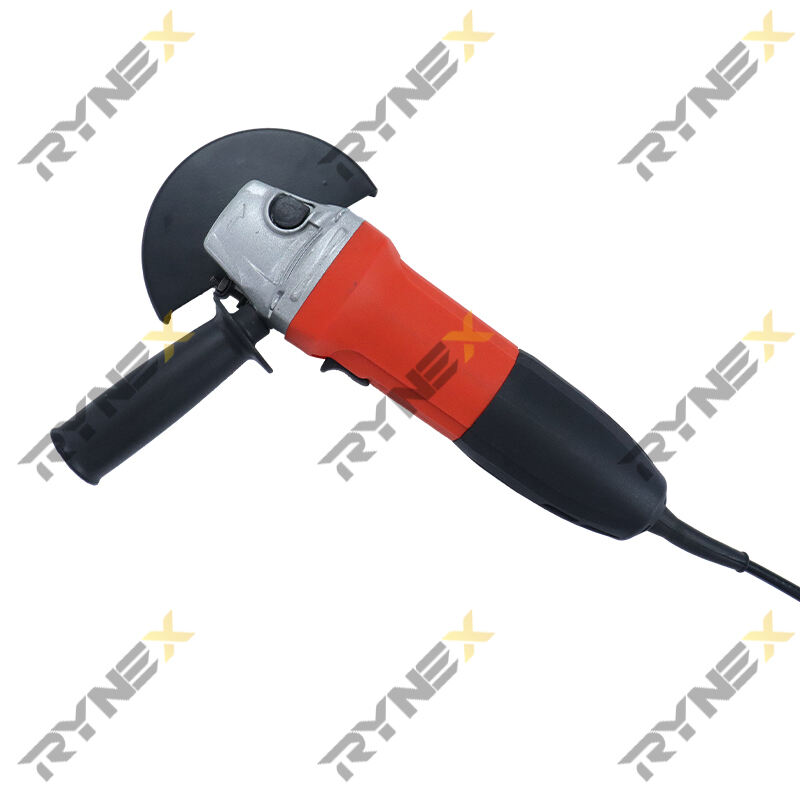
Selecionar a esmerilhadeira angular sem fio adequada exige uma avaliação cuidadosa de diversos fatores técnicos e práticos que afetam diretamente o desempenho, a segurança e a eficiência no local de trabalho. As esmerilhadeiras angulares sem fio modernas evoluíram significativamente, oferecendo potência comparável à das versões com fio, ao mesmo tempo em que proporcionam mobilidade e conveniência exigidas pelos profissionais nos ambientes de trabalho acelerados de hoje.

Compreender as principais especificações, os recursos de segurança e os requisitos de aplicação permitirá que você tome uma decisão informada, alinhada às suas necessidades específicas de corte, esmerilhamento e acabamento. Este guia abrangente analisa os critérios críticos de seleção, desde as especificações do motor até considerações ergonômicas, garantindo que você escolha uma esmerilhadeira angular sem fio capaz de entregar desempenho ideal para suas aplicações pretendidas.
Potência do Motor e Especificações de Desempenho
Tensão Nominal e Potência de Saída
A classificação de tensão serve como o principal indicador do potencial de potência de uma esmerilhadeira angular sem fio, com opções comuns variando de plataformas de 12 V a 60 V. Sistemas de tensão mais elevada normalmente fornecem maior torque e potência contínua, tornando-os adequados para aplicações exigentes, como o corte de aço ou concreto espessos.
A eficiência do motor afeta diretamente tanto o desempenho quanto a autonomia, sendo que os motores sem escovas oferecem vantagens significativas em comparação com os designs tradicionais com escovas. As esmerilhadeiras angulares sem fio sem escovas normalmente proporcionam até 50 % mais tempo de operação, exigem menos manutenção e apresentam melhores relações potência/peso. A ausência de escovas de carbono elimina perdas por atrito e geração de calor, resultando em operação mais fria e maior vida útil da ferramenta.
As classificações de velocidade em vazio indicam a velocidade rotacional máxima que a esmerilhadeira pode atingir sem carga, normalmente variando entre 8.000 e 11.000 rpm para modelos padrão. Classificações mais altas de rpm permitem taxas mais rápidas de remoção de material e acabamentos mais lisos, especialmente importantes ao trabalhar com metais ou realizar operações de esmerilhamento de precisão.
Características de Torque e Desempenho sob Carga
A saída de torque máxima determina a capacidade de uma esmerilhadeira angular sem fio de manter um desempenho consistente sob carga, sendo comum que modelos profissionais forneçam de 150 a 300 polegadas-libra de torque. Classificações mais altas de torque permitem que a ferramenta atravesse materiais desafiadores sem travar ou perder velocidade, o que é essencial para manter a produtividade em aplicações exigentes.
A tecnologia eletrônica de detecção de carga ajusta automaticamente a saída do motor com base nas demandas da aplicação, otimizando tanto o desempenho quanto a duração da bateria. Essa gestão inteligente de energia garante o rebarbadora sem fio fornece potência máxima quando necessário, ao mesmo tempo que conserva energia durante tarefas menos exigentes.
O controle de velocidade variável permite que os operadores ajustem a velocidade de rotação aos materiais e aplicações específicos, com faixas típicas de 2.800 a 11.000 rpm. Essa capacidade de ajuste revela-se essencial ao trabalhar com materiais sensíveis ao calor ou quando é necessário um controle preciso da remoção de material.
Sistema de Bateria e Considerações sobre Autonomia
Capacidade e Química da Bateria
A capacidade da bateria de íon-lítio, medida em ampère-hora (Ah), correlaciona-se diretamente com a autonomia operacional e a produtividade geral. Uma bateria de 4,0 Ah normalmente fornece 15 a 25 minutos de tempo contínuo de esmerilhamento, enquanto baterias de 6,0 Ah ou maiores podem estender a autonomia para 30 a 45 minutos, dependendo da intensidade da aplicação e da eficiência do motor.
As variações na química das baterias afetam as características de desempenho, sendo que as células padrão de íon-lítio oferecem um bom equilíbrio entre capacidade e custo, enquanto as baterias de fosfato de ferro-lítio (LiFePO4) proporcionam maior durabilidade e resistência térmica. As modernas esmerilhadoras angulares sem fio frequentemente utilizam configurações avançadas de células que otimizam a entrega de potência e a gestão térmica.
As considerações sobre o tempo de carregamento tornam-se críticas em cenários de operação contínua, com sistemas de carregamento rápido capazes de restaurar 80% da capacidade em 30–45 minutos. Alguns modelos profissionais de esmerilhadoras angulares sem fio suportam protocolos de carregamento rápido que podem fornecer níveis utilizáveis de potência em tão pouco quanto 15 minutos, minimizando o tempo de inatividade em canteiros de obras ativos.
Compatibilidade com Plataforma e Expansão
A compatibilidade com a plataforma de baterias permite que os usuários aproveitem seus investimentos existentes em baterias em múltiplas ferramentas, reduzindo significativamente os custos totais do sistema. Principais fabricantes oferecem ecossistemas abrangentes de ferramentas sem fio, nos quais uma única plataforma de baterias alimenta dezenas de ferramentas diferentes, tornando a seleção da esmerilhadeira angular sem fio parte de uma estratégia mais ampla de ferramentas.
A compatibilidade para trás e para frente garante que baterias mais novas funcionem com ferramentas mais antigas e vice-versa, protegendo o valor do investimento a longo prazo. Essa compatibilidade prolonga a vida útil das ferramentas e oferece flexibilidade à medida que a tecnologia de baterias continua evoluindo.
Indicadores de nível de carga e sistemas de gerenciamento de bateria fornecem monitoramento em tempo real da capacidade, permitindo que os operadores planejem sequências de trabalho e trocas de bateria de forma eficaz. Sistemas avançados podem incluir conectividade com smartphones para monitoramento remoto e agendamento de manutenção.
Tamanho do Disco e Versatilidade de Aplicação
Opções Padrão de Diâmetro do Disco
A seleção do diâmetro do disco determina fundamentalmente os tipos de aplicações e materiais que uma esmerilhadeira angular sem fio pode manipular de forma eficaz. A configuração de 4,5 polegadas (115 mm) representa o tamanho mais comum, oferecendo excelente equilíbrio entre profundidade de corte, manobrabilidade e autonomia da bateria para aplicações gerais, incluindo fabricação de metais, corte de azulejos e preparação de superfícies.
Esmerilhadeiras angulares sem fio maiores, de 5 polegadas (125 mm) e 6 polegadas (150 mm), proporcionam maior profundidade de corte e cobertura de superfície, mas exigem mais potência e reduzem proporcionalmente a autonomia da bateria. Esses modelos maiores destacam-se em aplicações pesadas, onde são prioridades taxas máximas de remoção de material e cortes profundos.
Esmerilhadeiras angulares sem fio menores, de 3 polegadas (75 mm), oferecem maior precisão e acesso em espaços confinados, tornando-as ideais para trabalhos detalhados, aplicações automotivas e situações nas quais o controle e a destreza do operador são fundamentais.
Compatibilidade do Rosca do Eixo
As especificações da rosca do eixo devem corresponder aos requisitos de montagem do disco, sendo as roscas M14 padrão na maioria das esmerilhadeiras angulares sem fio de 4,5 polegadas ou maiores. A compatibilidade adequada da rosca garante uma montagem segura do disco e evita a separação perigosa do disco durante a operação.
Os sistemas de troca rápida de discos eliminam a necessidade de ferramentas adicionais durante a substituição dos discos, reduzindo o tempo de inatividade e melhorando a produtividade. Esses sistemas utilizam normalmente mecanismos de alavanca ou giro que fixam os discos de forma segura, permitindo trocas rápidas entre diferentes tipos de disco.
Os adaptadores de eixo ampliam a compatibilidade para acomodar diferentes sistemas de montagem de discos, permitindo que uma única esmerilhadeira angular sem fio trabalhe com diversas marcas e tipos de discos. No entanto, certifique-se sempre de que os sistemas de adaptador atendam às especificações de segurança do fabricante.
Recursos de Segurança e Design Ergonômico
Sistemas de Proteção e Protetores
Protetores de disco ajustáveis fornecem proteção essencial contra detritos e contato acidental com discos rotativos; protetores de qualidade oferecem ajuste de posicionamento sem ferramentas para diferentes ângulos de corte. Um sistema de proteção bem projetado em uma esmerilhadeira angular sem fio deve cobrir a maior área possível do disco, ao mesmo tempo que permite o acesso necessário para aplicações específicas.
Sistemas eletrônicos de freio interrompem automaticamente a rotação do disco ao soltar o gatilho, reduzindo significativamente o tempo de rotação residual e melhorando a segurança do operador. Sistemas avançados de freio conseguem parar um disco de 4,5 polegadas em menos de dois segundos, minimizando riscos durante transições e reposicionamento da ferramenta.
A tecnologia de proteção contra recuos monitora o feedback do motor e pode detectar condições de travamento, desligando automaticamente o motor para evitar reações perigosas da ferramenta. Esse recurso revela-se particularmente valioso ao trabalhar em espaços confinados ou em posições desconfortáveis, onde manter o controle é desafiador.
Design Ergonômico do Cabo e Controle de Vibração
A configuração do cabo influencia significativamente o conforto e o controle do operador durante períodos prolongados de uso, sendo os cabos laterais responsáveis por fornecer estabilidade adicional para trabalhos de precisão e aplicações pesadas. Os cabos laterais ajustáveis acomodam diferentes preferências de empunhadura e ângulos de corte, enquanto a montagem antivibratória reduz a fadiga durante operações prolongadas.
Os sistemas de amortecimento de vibrações incorporam materiais especializados e designs de montagem destinados a minimizar a vibração transmitida, o que é fundamental para o conforto do operador e para considerações de saúde a longo prazo. As esmerilhadoras angulares sem fio de qualidade normalmente atingem níveis de vibração inferiores a 10 m/s², bem dentro dos limites aceitáveis para uso prolongado.
Os materiais e o texturizado da superfície de empunhadura garantem uma manipulação segura mesmo ao usar luvas ou trabalhar em condições empoeiradas. Os cabos com sobre-moldagem oferecem excelente aderência e resistência aos impactos, mantendo, ao mesmo tempo, uma sensação confortável durante períodos prolongados de operação.
Durabilidade e Requisitos de Manutenção
Materiais da Carcaça e Proteção Ambiental
Os materiais utilizados na construção do corpo determinam tanto as características de durabilidade quanto de peso, sendo que os corpos em liga de magnésio oferecem excelentes relações resistência-peso, enquanto os corpos em alumínio e polímero reforçado proporcionam boa durabilidade a custos mais baixos. A escolha afeta o equilíbrio geral da ferramenta e sua durabilidade a longo prazo em ambientes de trabalho exigentes.
As classificações de Proteção contra Ingresso (IP) indicam a resistência à penetração de poeira e umidade, sendo que a classificação IP54 oferece proteção adequada para a maioria das condições encontradas em canteiros de obras. Classificações superiores, como IP56 ou IP67, permitem a operação em ambientes mais desafiadores, mas podem aumentar o peso e o custo da ferramenta.
Sistemas de rolamentos vedados protegem os componentes internos contra contaminação, garantindo ao mesmo tempo um funcionamento suave durante toda a vida útil da ferramenta. As esmerilhadoras angulares sem fio de qualidade incorporam múltiplos estágios de vedação para impedir a infiltração de poeira, mantendo simultaneamente a lubrificação adequada.
Acessibilidade para manutenção e substituição de componentes
Componentes passíveis de manutenção em campo permitem que os usuários realizem manutenção rotineira e substituam peças sujeitas a desgaste sem necessitar de assistência técnica de fábrica, prolongando a vida útil da ferramenta e reduzindo os custos de propriedade. Itens comumente passíveis de manutenção incluem escovas de carbono (em modelos com escovas), filtros de ar e lubrificantes para engrenagens.
A disponibilidade de peças e a cobertura da rede de assistência técnica garantem suporte de longo prazo para ferramentas profissionais, sendo comum que fabricantes estabelecidos ofereçam suporte de peças por sete a dez anos após a descontinuação do produto. Esse quadro de suporte protege o valor do investimento e assegura o funcionamento contínuo durante toda a vida útil esperada da ferramenta.
Indicadores de agendamento de manutenção ajudam os usuários a acompanhar os intervalos de serviço e o estado dos componentes, prevenindo falhas prematuras e mantendo o desempenho ideal. Modelos avançados de esmerilhadeiras angulares sem fio podem incluir cronômetros de horas ou contadores de ciclos para orientar o momento adequado da manutenção.
Perguntas Frequentes
Qual capacidade de bateria devo escolher para uma esmerilhadeira angular sem fio?
A seleção da capacidade da bateria depende dos seus padrões típicos de uso e dos requisitos da tarefa. Para trabalhos leves e uso ocasional, uma bateria de 2,0–4,0 Ah fornece autonomia adequada, mantendo um peso razoável. Usuários profissionais normalmente se beneficiam de baterias de 5,0 Ah ou maiores, que oferecem 30–45 minutos de operação contínua; no entanto, considere ter múltiplas baterias para sessões de trabalho prolongadas sem tempo de inatividade.
Como determino o tamanho correto do disco para as minhas aplicações?
A seleção do tamanho do disco deve estar alinhada com os requisitos de profundidade de corte e com os tipos de material. Uma esmerilhadeira angular sem fio de 4,5 polegadas lida com a maioria das tarefas de uso geral, incluindo o corte de metais com até 1 polegada de espessura e trabalhos de preparação de superfícies. Escolha modelos maiores de 5–6 polegadas para cortes mais profundos e remoção intensa de material, enquanto modelos de 3 polegadas se destacam em trabalhos de precisão e em espaços confinados, onde a manobrabilidade é crítica.
Os motores sem escovas valem o custo adicional nas esmerilhadeiras angulares sem fio?
Os motores sem escovas oferecem vantagens significativas que normalmente justificam seu custo inicial mais elevado, incluindo até 50% mais tempo de operação, requisitos reduzidos de manutenção e relações superiores de potência por peso. Para uso profissional ou operação frequente, as esmerilhadeiras angulares sem fio com motores sem escovas proporcionam melhor valor a longo prazo, graças à maior durabilidade da bateria, desempenho consistente e menor tempo de inatividade para manutenção.
Quais recursos de segurança devo priorizar ao selecionar uma esmerilhadeira angular sem fio?
Recursos de segurança essenciais incluem proteções ajustáveis para o disco, sistemas eletrônicos de freio e tecnologia de proteção contra recuo. Esses recursos atuam em conjunto para prevenir acidentes e oferecer maior controle durante a operação. Além disso, considere modelos com proteção contra reinício acidental, que evita a partida involuntária após a instalação da bateria, e certifique-se de que a ferramenta inclua um punho lateral robusto para melhor aderência e controle em aplicações exigentes.
Sumário
- Potência do Motor e Especificações de Desempenho
- Sistema de Bateria e Considerações sobre Autonomia
- Tamanho do Disco e Versatilidade de Aplicação
- Recursos de Segurança e Design Ergonômico
- Durabilidade e Requisitos de Manutenção
-
Perguntas Frequentes
- Qual capacidade de bateria devo escolher para uma esmerilhadeira angular sem fio?
- Como determino o tamanho correto do disco para as minhas aplicações?
- Os motores sem escovas valem o custo adicional nas esmerilhadeiras angulares sem fio?
- Quais recursos de segurança devo priorizar ao selecionar uma esmerilhadeira angular sem fio?
