
 EN
EN
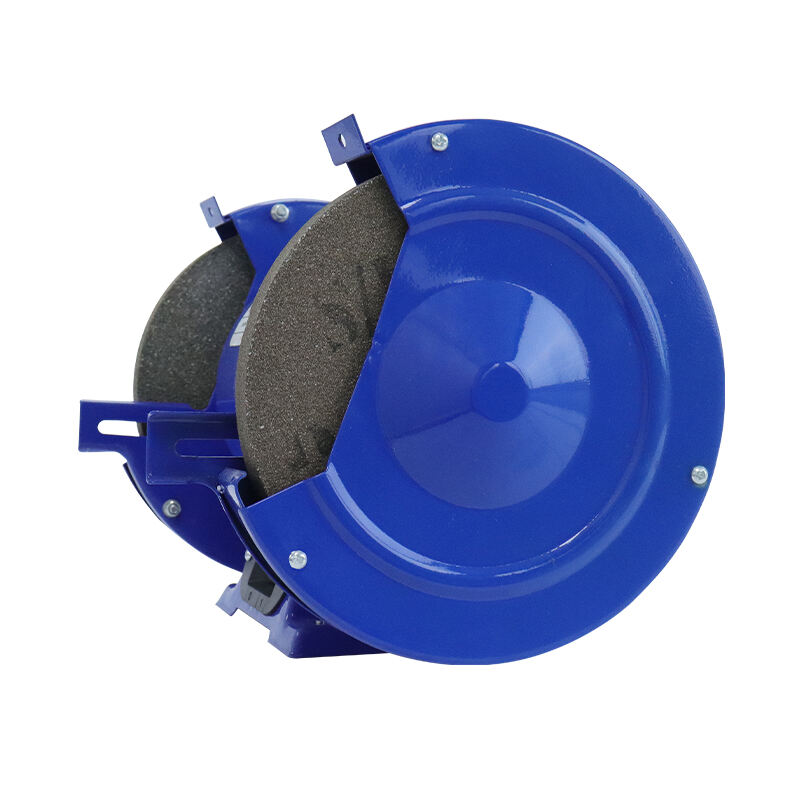
Selecionar a retificadora de bancada adequada para sua oficina envolve compreender suas necessidades específicas de retificação, afiação e acabamento, além de avaliar as principais especificações técnicas que impactam diretamente o desempenho e a segurança. Uma retificadora de bancada serve como a peça central de muitas oficinas, oferecendo capacidades essenciais para manutenção de ferramentas, conformação de metais e tarefas de preparação de superfícies que exigem precisão e confiabilidade.

O processo de decisão para escolher uma retificadora de bancada exige uma análise cuidadosa da potência do motor, das especificações das rodas, dos recursos de segurança e da compatibilidade com o espaço de trabalho, garantindo que você invista em equipamentos capazes de aumentar a produtividade de sua oficina por muitos anos. Compreender como as diferentes características de uma retificadora de bancada se alinham às suas aplicações específicas ajudará você a tomar uma decisão informada, equilibrando desempenho, segurança e considerações orçamentárias.
Compreendendo as Especificações do Motor da Retificadora de Bancada
Potência e Desempenho do Motor
A potência do motor de uma esmerilhadeira de bancada determina diretamente sua capacidade de lidar com diferentes materiais e intensidades de carga no ambiente da sua oficina. A maioria dos motores de esmerilhadeiras de bancada varia de 1/4 de cavalo-vapor para aplicações leves até 1 cavalo-vapor para uso industrial pesado, sendo que a maior parte das aplicações em oficinas se situa na faixa de 1/3 a 3/4 de cavalo-vapor. Uma potência maior do motor permite que a esmerilhadeira de bancada mantenha uma velocidade constante da roda de esmerilhamento sob carga, evitando perda de desempenho ao trabalhar com materiais mais duros ou ao aplicar pressão moderada durante as operações de esmerilhamento.
As classificações de amperagem do motor fornecem informações adicionais sobre os requisitos elétricos e as capacidades de desempenho da sua possível escolha de esmerilhadeira de bancada. Uma esmerilhadeira de bancada que consome 5–7 ampères normalmente oferece potência suficiente para tarefas gerais em oficinas, enquanto modelos que exigem 10–15 ampères indicam capacidades pesadas, adequadas para uso frequente ou aplicações exigentes. Considere a capacidade elétrica da sua oficina e a disponibilidade de circuitos ao avaliar opções de esmerilhadeiras de bancada com maior amperagem, para garantir instalação e operação adequadas.
Controle de Velocidade e Considerações sobre RPM
As velocidades operacionais típicas de esmerilhadeiras de bancada padrão variam normalmente entre 3450 e 3600 RPM, proporcionando desempenho ideal para a maioria das aplicações de esmerilhamento e afiação, desde que combinadas com seleções adequadas de discos de esmerilhamento.
Configurações de rotações por minuto (RPM) mais baixas em esmerilhadeiras de bancada de velocidade variável revelam-se particularmente valiosas ao trabalhar com materiais sensíveis ao calor, ao realizar operações delicadas de afiação ou ao utilizar discos de esmerilhamento especializados que exigem velocidades superficiais reduzidas. A capacidade de ajustar a velocidade da esmerilhadeira de bancada à aplicação específica reduz a acumulação de calor, minimiza as taxas de remoção de material em trabalhos de precisão e prolonga a vida útil tanto dos discos de esmerilhamento quanto dos itens em processamento.
Seleção e Compatibilidade do Disco de Esmerilhamento
Tamanho do Disco e Especificações do Eixo
O diâmetro da roda da esmerilhadeira de bancada influencia significativamente a área de superfície de usinagem, a eficiência de corte e os tipos de trabalho que você pode executar com eficácia no ambiente da sua oficina. Os tamanhos mais comuns de rodas para aplicações em esmerilhadeiras de bancada incluem diâmetros de 6 polegadas, 8 polegadas e 10 polegadas, sendo que rodas maiores proporcionam uma área maior de contato com a superfície e uma ação de esmerilhamento mais suave, ideal para tarefas que exigem remoção extensa de material. O diâmetro da roda escolhido para sua esmerilhadeira de bancada deve estar alinhado com os tamanhos típicos das peças trabalhadas e com o nível de precisão exigido nas suas operações de esmerilhamento.
A compatibilidade do diâmetro do furo do eixo garante a montagem adequada da roda e a operação segura da sua retificadora de bancada. Os tamanhos padrão do eixo incluem diâmetros de 1/2 polegada, 5/8 polegada e 3/4 polegada, sendo o tamanho do eixo da retificadora de bancada o fator determinante para identificar quais rodas de desbaste podem ser montadas diretamente, sem a necessidade de buchas adaptadoras. Verifique se o modelo de retificadora de bancada de sua preferência suporta os tipos e tamanhos de rodas que você pretende utilizar com mais frequência nas aplicações do seu ambiente de trabalho.
Tipos de Rodas e Aplicações por Material
As rodas de desbaste de óxido de alumínio representam a opção mais comum para aplicações gerais em retificadoras de bancada, oferecendo excelente desempenho em aço carbono, aço-liga e ferro — materiais frequentemente encontrados em ambientes de oficina. As rodas de carbeto de silício proporcionam desempenho superior quando sua retificadora de bancada for utilizada principalmente em metais não ferrosos, cerâmicas ou pedras, materiais que exigem características de corte distintas das formulações convencionais de óxido de alumínio.
Seleção do granulado para sua moenda de bancada as rodas determinam a qualidade do acabamento superficial e a taxa de remoção de material para suas aplicações específicas. Grãos grossos, variando de 36 a 60, proporcionam uma remoção rápida de material em operações de esmerilhamento pesado, enquanto grãos médios, de 80 a 120, oferecem um desempenho equilibrado para tarefas gerais em esmerilhadeiras de bancada, e grãos finos, de 150 a 220, permitem afiação precisa e operações de acabamento em sua oficina.
Recursos de Segurança e Integração na Oficina
Componentes Essenciais de Segurança
Protetores oculares e antichispas constituem recursos críticos de segurança que devem ser requisitos inegociáveis no processo de seleção da sua esmerilhadeira de bancada. Protetores oculares de qualidade oferecem visibilidade clara ao mesmo tempo que protegem contra faíscas e detritos projetados, devendo ser facilmente ajustáveis para acomodar diferentes ângulos de esmerilhamento e alturas de operadores. Certifique-se de que a esmerilhadeira de bancada escolhida inclua protetores oculares robustos e resistentes a trincas, capazes de suportar impactos e manter a clareza óptica durante períodos prolongados de uso.
A qualidade e a capacidade de ajuste do apoio para ferramentas influenciam diretamente tanto a segurança quanto a precisão nas operações com esmerilhadeira de bancada. Apoios para ferramentas robustos devem oferecer suporte estável às peças trabalhadas, ao mesmo tempo que permitem ajuste preciso do ângulo para resultados consistentes de esmerilhamento. Procure modelos de esmerilhadeira de bancada com apoios para ferramentas que se fixem firmemente na posição desejada, resistam ao deslocamento causado por vibrações e possam ser posicionados próximos à superfície do disco abrasivo, evitando o travamento ou o aprisionamento da peça trabalhada durante a operação.
Controle de Vibração e Opções de Fixação
Os sistemas de fixação das esmerilhadeiras de bancada influenciam significativamente a estabilidade operacional, os níveis de vibração e a qualidade geral de desempenho no ambiente da sua oficina. A fixação por parafusos oferece a instalação mais segura para aplicações de esmerilhadeira de bancada de alta exigência, enquanto os pés de borracha proporcionam estabilidade adequada para usos de menor intensidade, com a vantagem da portabilidade quando houver alterações no layout da oficina.
Recursos embutidos de amortecimento de vibração em projetos de esmerilhadeiras de bancada de qualidade reduzem a fadiga do operador, melhoram a precisão do esmerilhamento e prolongam a vida útil do equipamento, minimizando o estresse sobre os componentes internos. Bases de ferro fundido oferecem absorção superior de vibrações em comparação com alternativas em aço estampado, enquanto isoladores de borracha entre o conjunto do motor e a base reduzem ainda mais a transmissão de vibrações em modelos premium de esmerilhadeiras de bancada.
Requisitos de Espaço de Trabalho e Considerações Ergonômicas
Dimensões Físicas e Necessidades de Folga
A área ocupada fisicamente pela esmerilhadeira de bancada e suas exigências de altura devem estar alinhadas com o espaço disponível em seu oficina e com as configurações existentes de sua bancada de trabalho. Meça cuidadosamente a área destinada à instalação, levando em conta uma folga adequada ao redor da esmerilhadeira de bancada para operação segura, substituição de discos e acesso para manutenção. Considere tanto a área estática ocupada quanto os requisitos dinâmicos de espaço, à medida que os operadores se movem ao redor da esmerilhadeira de bancada durante operações típicas de esmerilhamento.
A altura do teto da oficina e obstáculos suspensos podem limitar as opções de posicionamento da esmerilhadeira de bancada, especialmente ao processar peças de maior comprimento que se estendem verticalmente durante as operações de esmerilhamento. Avalie o layout da sua oficina para garantir folga vertical suficiente para os comprimentos típicos das suas peças de trabalho, mantendo simultaneamente uma altura de trabalho confortável para os controles e superfícies de esmerilhamento da esmerilhadeira de bancada.
Requisitos de Potência e Considerações Elétricas
Os requisitos elétricos da sua esmerilhadeira de bancada devem corresponder à capacidade de potência disponível na sua oficina e à configuração dos circuitos. Modelos monofásicos de esmerilhadeira de bancada que operam com corrente residencial padrão de 115 V ou 230 V são adequados à maioria das aplicações em oficinas pequenas a médias, enquanto opções trifásicas oferecem vantagens em ambientes comerciais de alto ciclo de trabalho, desde que haja infraestrutura elétrica adequada.
A capacidade do circuito e o posicionamento das tomadas influenciam tanto os custos de instalação quanto a conveniência operacional da sua configuração de esmerilhadeira de bancada. Certifique-se de que o sistema elétrico da sua oficina consiga suportar a corrente de partida do motor e a carga operacional contínua da esmerilhadeira de bancada selecionada, sem afetar o desempenho de outros equipamentos. Considere a instalação de circuitos dedicados para modelos de esmerilhadeiras de bancada de maior potência, a fim de evitar desarmamentos indesejados dos disjuntores e garantir um desempenho consistente.
Considerações Orçamentárias e Valor de Longo Prazo
Investimento Inicial vs. Custos Operacionais
Os preços das esmerilhadeiras de bancada variam significativamente conforme a potência do motor, a qualidade da construção, os recursos de segurança e a reputação da marca, com modelos de entrada começando em torno de 100 dólares e unidades profissionais atingindo 1.000 dólares ou mais. Embora o preço de compra inicial represente uma consideração importante, avaliar o custo total de propriedade — incluindo a substituição de discos de esmerilhamento, os requisitos de manutenção e a vida útil esperada — fornece uma avaliação mais precisa do valor a longo prazo do seu investimento em uma esmerilhadeira de bancada.
Os custos com o consumo de discos de esmeril podem representar uma despesa contínua significativa para usuários frequentes de esmerilhadeiras de bancada, tornando a compatibilidade e a disponibilidade dos discos fatores econômicos importantes no seu processo de seleção. Escolha uma esmerilhadeira de bancada que aceite discos de esmeril facilmente disponíveis e com preços competitivos de diversos fabricantes, evitando assim ficar preso a sistemas proprietários de discos caros, que aumentam os custos operacionais ao longo do tempo.
Durabilidade e Requisitos de Manutenção
Indicadores de qualidade de construção, como o tipo de rolamento, os materiais utilizados na carcaça do motor e os padrões gerais de fabricação, afetam diretamente a durabilidade e os requisitos de manutenção do seu investimento em esmerilhadeira de bancada. Rolamentos de esferas normalmente proporcionam maior vida útil e operação mais suave em comparação com rolamentos de bucha, enquanto a construção em ferro fundido oferece durabilidade e resistência à vibração superiores às alternativas mais leves, fabricadas por processos de usinagem.
Os requisitos de manutenção regular para sua esmerilhadeira de bancada devem estar alinhados às práticas do seu ofício e ao tempo disponível para a manutenção dos equipamentos. Modelos com rolamentos selados, escovas de motor de qualidade e pontos de manutenção de fácil acesso reduzem as demandas contínuas de serviço, garantindo desempenho consistente durante toda a vida útil do equipamento. Considere a disponibilidade e o custo das peças de reposição ao avaliar diferentes opções de esmerilhadeiras de bancada para integração duradoura no seu ofício.
Perguntas Frequentes
Qual o tamanho ideal de esmerilhadeira de bancada para um ofício doméstico?
Para a maioria dos ofícios domésticos, uma esmerilhadeira de bancada de 6 ou 8 polegadas com um motor de 1/3 a 1/2 cavalo-vapor oferece excelente versatilidade para tarefas típicas de esmerilhamento, afiação e trabalho leve em metal. Esse tamanho fornece área de superfície de esmerilhamento adequada para peças de trabalho comuns, ao mesmo tempo que se encaixa confortavelmente em bancadas padrão e opera com eficiência nos sistemas elétricos residenciais.
Como saber se o sistema elétrico do meu ofício suporta uma esmerilhadeira de bancada específica?
Verifique as especificações do motor da esmerilhadeira de bancada quanto aos requisitos de amperagem e certifique-se de que o circuito da sua oficina possa suportar pelo menos 125% da corrente nominal para acomodar as cargas de partida. Para motores que consomem mais de 12 A, considere instalar um circuito dedicado de 20 A para evitar interferências com outros equipamentos da oficina e garantir um funcionamento confiável.
Posso usar tipos diferentes de discos de esmerilhamento na mesma esmerilhadeira de bancada?
Sim, você pode usar diferentes tipos de discos de esmerilhamento na mesma esmerilhadeira de bancada, desde que correspondam ao diâmetro do eixo e à classificação de RPM da sua máquina. No entanto, evite misturar simultaneamente tipos de discos muito distintos, como escovas de arame e pedras de esmerilhamento, pois isso pode causar problemas de equilíbrio e riscos à segurança durante a operação.
Com que frequência devo substituir os discos de esmerilhamento da minha esmerilhadeira de bancada?
Substitua as rodas de esmerilhamento quando ficarem vitrificadas, carregadas com material, apresentarem rachaduras ou desgastarem-se até ficarem a 1/8 de polegada do flange de montagem. Para uso típico em oficinas, essas rodas podem durar vários meses a anos, dependendo da frequência de uso e dos materiais processados; no entanto, inspecione-as regularmente quanto a danos ou desgaste que possam afetar o desempenho ou a segurança.
Sumário
- Compreendendo as Especificações do Motor da Retificadora de Bancada
- Seleção e Compatibilidade do Disco de Esmerilhamento
- Recursos de Segurança e Integração na Oficina
- Requisitos de Espaço de Trabalho e Considerações Ergonômicas
- Considerações Orçamentárias e Valor de Longo Prazo
-
Perguntas Frequentes
- Qual o tamanho ideal de esmerilhadeira de bancada para um ofício doméstico?
- Como saber se o sistema elétrico do meu ofício suporta uma esmerilhadeira de bancada específica?
- Posso usar tipos diferentes de discos de esmerilhamento na mesma esmerilhadeira de bancada?
- Com que frequência devo substituir os discos de esmerilhamento da minha esmerilhadeira de bancada?
