
 EN
EN
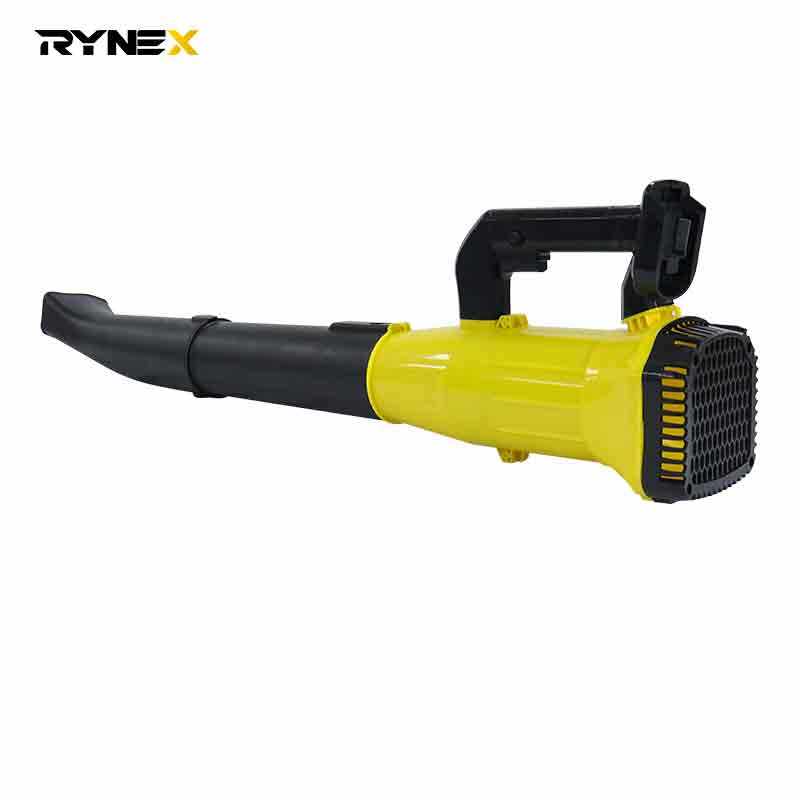
Поиск эффективной беспроводной воздуходувки, укладывающейся в ограниченный бюджет, может быть непростой задачей, особенно когда многие премиальные модели стоят значительно дороже 100 долларов США. Однако на рынке представлено несколько надёжных моделей беспроводных воздуходувок, обеспечивающих хорошую производительность без чрезмерных затрат. Эти бюджетные инструменты становятся всё более популярными среди домовладельцев, которым нужны надёжные решения для уборки приусадебного участка, но которые хотят избежать высоких цен, характерных для профессионального оборудования.

Потребители, внимательно следящие за своим бюджетом, часто опасаются, что более дешевые модели беспроводных воздуходувок будут уступать по мощности, времени автономной работы или качеству сборки. Хотя действительно верно, что модели стоимостью менее 100 долларов США, как правило, не достигают той же сырой производительности, что и премиальные устройства, многие доступные варианты обеспечивают достаточный воздушный поток и время работы для типичных бытовых задач. Понимание того, какие функции наиболее важны, а какие компромиссы допустимы, помогает покупателям выбрать беспроводные воздуходувки, предлагающие реальную ценность в рамках жёстких бюджетных ограничений.
Ключевые эксплуатационные характеристики недорогих беспроводных воздуходувок
Производительность по воздушному потоку и режимы скорости
Эффективность любого аккумуляторного воздуходувного устройства в первую очередь зависит от его способности генерировать достаточный воздушный поток для выполнения заданных задач. Бюджетные модели стоимостью менее 100 долларов США обычно обеспечивают воздушный поток в диапазоне от 100 до 180 кубических футов в минуту (CFM), чего достаточно для удаления лёгких и умеренных загрязнений с подъездных путей, террас и небольших участков газона. Большинство доступных по цене аккумуляторных воздуходувок оснащены регулируемым управлением скоростью, позволяющим пользователям изменять выходную мощность в зависимости от конкретной задачи по уборке.
Более продвинутые бюджетные модели зачастую предусматривают несколько предустановленных режимов скорости, что позволяет экономить заряд аккумулятора при работе с лёгкими загрязнениями и одновременно обеспечивает доступ к максимальному воздушному потоку при необходимости. Скорость воздушного потока, измеряемая в милях в час (MPH), в данной ценовой категории обычно составляет от 90 до 150 MPH. Хотя эти характеристики могут показаться скромными по сравнению с премиальными моделями аккумуляторных воздуходувок, они обеспечивают достаточную производительность для большинства бытовых применений.
Технологии аккумуляторов и особенности времени автономной работы
Производительность аккумулятора является одним из наиболее важных факторов при оценке недорогих беспроводных воздуходувок. Большинство моделей стоимостью менее 100 долларов США оснащены литий-ионными аккумуляторами напряжением от 18 В до 24 В, а типичное время автономной работы варьируется от 8 до 20 минут в зависимости от выбранного режима мощности. В конструкциях недорогих беспроводных воздуходувок часто делается акцент на увеличении времени автономной работы за счёт снижения максимальной выходной мощности, что делает их подходящими для продолжительных уборочных работ на умеренном уровне интенсивности.
Некоторые производители предлагают модели беспроводных воздуходувок, совместимых по платформе аккумуляторов с другими электроинструментами, что обеспечивает дополнительную ценность для пользователей, уже владеющих совместимыми аккумуляторами или планирующих расширить свой набор инструментов. Возможность быстрой зарядки стала стандартной даже в бюджетных категориях: большинство аккумуляторов полностью заряжаются за 45–90 минут. Понимание этих ограничений по времени автономной работы помогает пользователям планировать свои работы на участке и определять, будет ли одного аккумулятора достаточно для выполнения поставленных задач.
Вес и эргономичность конструкции
Характеристики управляемости при длительном использовании
Бюджетные модели аккумуляторных воздуходувок обычно весят от 3 до 6 фунтов, включая аккумуляторный блок. Такой вес делает их значительно более удобными в обращении по сравнению с бензиновыми аналогами, при этом обеспечивая достаточную массу для устойчивой работы. Распределение веса играет ключевую роль в комфортности для пользователя: в хорошо спроектированных моделях вес двигателя и аккумулятора сбалансирован таким образом, чтобы минимизировать утомление рук при длительной эксплуатации.
Эргономичный дизайн рукоятки особенно важен при длительном использовании аккумуляторной воздуходувки. Бюджетные модели зачастую оснащены базовыми резиновыми накладками на рукоятке и простыми курковыми выключателями, хотя некоторые из них включают дополнительные элементы комфорта — например, амортизированные рукоятки или системы подавления вибрации. Общая сбалансированность и распределение веса влияют на то, насколько легко пользователь может маневрировать воздуходувкой вокруг препятствий и сохранять контроль над ней во время работы.
Ожидания относительно качества изготовления и долговечности
Хотя бюджетные модели беспроводных воздуходувок могут не оснащаться премиальными материалами, используемыми в более дорогих моделях, многие производители сохраняют разумные стандарты качества сборки даже в сегменте низкой ценовой категории. Пластиковые корпуса являются распространённым решением в этой категории, однако их качество значительно варьируется в зависимости от бренда и конкретной модели. Хорошо спроектированные бюджетные модели предусматривают усиленные крепёжные точки для ключевых компонентов и применяют ударопрочные материалы в зонах повышенной нагрузки.
Степень защиты от погодных условий различается среди бюджетных моделей беспроводных воздуходувок: одни обеспечивают базовую защиту от влаги и пыли, тогда как другие имеют минимальное уплотнение. При оценке требований к качеству сборки пользователи должны учитывать условия хранения и характерную для региона погодную экспозицию техники. Регулярное техническое обслуживание и правильное хранение позволяют значительно продлить срок службы бюджетных моделей беспроводных воздуходувок, делая их жизнеспособным долгосрочным решением для многих домовладельцев.
Практическое применение и ожидаемые показатели производительности
Задачи, для которых подходят недорогие аккумуляторные воздуходувки
Недорогие модели аккумуляторных воздуходувок отлично справляются с рутинными работами по техническому обслуживанию на приусадебных участках. С их помощью эффективно удаляются сухие листья, стрижка газона и мелкий мусор с твёрдых покрытий, таких как подъездные пути, тротуары и террасы. Умеренная производительность по воздушному потоку делает их идеальными для очистки гаражей, мастерских и закрытых веранд, где более мощные устройства могут вызывать чрезмерное пыление или неконтролируемое разбрасывание мусора.
Небольшие и средние по площади газоны выигрывают от регулярного обслуживания аккумуляторных воздуходувок, особенно в осенний период уборки, когда скопление листьев требует частого вмешательства. Бюджетные модели хорошо подходят для локальной уборки и поддержания порядка в течение всего вегетационного периода, помогая сохранять аккуратный внешний вид без необходимости в сложной подготовке и затрат на топливо, характерных для бензиновых аналогов. Тихая работа электрических аккумуляторных воздуходувок также делает их пригодными для использования ранним утром или вечером без беспокойства соседей.
Ограничения и пределы производительности
Понимание ограничений бюджетных моделей аккумуляторных воздуходувок помогает сформировать реалистичные ожидания и избежать разочарования в их работе. Эти устройства, как правило, плохо справляются с тяжёлыми, мокрыми отходами или большими объёмами материала, требующими продолжительной работы на высокой мощности. Плотные кучи листьев, мокрая стрижка газона и въевшаяся грязь, как правило, превышают возможности большинства бюджетных аккумуляторных воздуходувок стоимостью менее 100 долларов США.
Расширенные коммерческие или тяжёлые эксплуатационные задачи могут быстро перегрузить двигатели беспроводных воздуходувок бюджетного класса и разрядить аккумуляторы быстрее, чем это практически приемлемо для профессионального использования. Однако для домовладельцев с умеренными потребностями в уходе за участком эти ограничения редко влияют на общую удовлетворённость. Ключевой момент — правильно соотнести возможности инструмента с предполагаемыми задачами и при необходимости дополнять его другим оборудованием для выполнения более сложных работ.
Аспекты стоимости и совокупной стоимости владения
Первоначальные затраты и комплект поставки
Обычно включает базовый инструмент, один аккумуляторный блок и зарядное устройство. Некоторые производители дополнительно предоставляют принадлежности, например, концентраторные насадки или наплечные ремни, тогда как другие предлагают вариант «только инструмент», при котором аккумуляторы необходимо приобретать отдельно. Оценка полного комплекта помогает определить реальную ценность предложения и выявить дополнительные расходы, необходимые для обеспечения полной функциональности. аккумуляторный воздуходув цена ниже 100 долларов США
Гарантийное покрытие значительно варьируется в зависимости от модели беспроводного воздуходувки эконом-класса: от базовой защиты сроком 90 дней до всесторонней гарантии сроком два года. Дополнительные расширенные гарантии могут быть доступны за дополнительную плату, однако экономическая целесообразность планов защиты для инструментов низкой ценовой категории требует тщательного анализа. Наличие запасных частей и поддержка сервисных центров на местном уровне также влияет на долгосрочные эксплуатационные расходы и должно учитываться при принятии решения о покупке.
Эксплуатационные расходы и требования к техническому обслуживанию
Одним из главных преимуществ технологии беспроводных воздуходувок является минимальная стоимость эксплуатации в течение всего срока службы по сравнению с бензиновыми аналогами. Электрический привод исключает необходимость покупки топлива, замены масла и свечей зажигания, а также значительно снижает объём технического обслуживания. Базовое обслуживание обычно включает периодическую очистку сеток воздухозаборника и соблюдение правил хранения аккумуляторов для максимизации их срока службы.
Замена аккумулятора является основным долгосрочным фактором затрат при владении беспроводным воздуходувом. Качественные литий-ионные аккумуляторы обычно служат от 2 до 4 лет при нормальном использовании в бытовых условиях, прежде чем потребуется их замена. Стоимость замены аккумуляторов зачастую составляет от 30 до 60 долларов США в зависимости от напряжения и ёмкости. Планирование будущей замены аккумулятора помогает оценить общую стоимость владения инструментом в течение всего срока его эксплуатации.
Часто задаваемые вопросы
Как долго работают аккумуляторы в недорогих беспроводных воздуходувах?
Время автономной работы аккумуляторов в недорогих моделях беспроводных воздуходувах обычно составляет от 8 до 20 минут непрерывной работы в зависимости от выбранного режима мощности и конкретных технических характеристик модели. Использование пониженных скоростей значительно увеличивает время автономной работы, тогда как работа на максимальной мощности приводит к более быстрой разрядке аккумуляторов. Большинство пользователей считают такое время автономной работы достаточным для типичных бытовых задач по уборке при грамотном планировании.
Могут ли недорогие беспроводные воздуходувы эффективно справляться с мокрыми листьями?
Бюджетные модели аккумуляторных воздуходувок, как правило, плохо справляются с влажным или тяжёлым мусором из-за умеренной производительности по воздушному потоку. Влажные листья склонны прилипать к поверхностям и требуют значительно большего давления воздуха для удаления по сравнению с сухими материалами. Для достижения наилучших результатов дождитесь естественного высыхания мусора или используйте эти инструменты преимущественно для сухой уборки, где их эксплуатационные характеристики хорошо соответствуют требованиям задачи.
Доступны ли запасные части для бюджетных моделей аккумуляторных воздуходувок?
Доступность запасных частей существенно различается в зависимости от производителя и конкретной модели в категории бюджетных аккумуляторных воздуходувок. Устоявшиеся бренды инструментов, как правило, обеспечивают более надёжную поддержку запчастями и обладают развитой сервисной сетью по сравнению с малоизвестными производителями. Перед покупкой изучите репутацию производителя в плане доступности запчастей и рассмотрите модели компаний с хорошо развитой сервисной инфраструктурой, чтобы обеспечить долгосрочную поддержку.
Как бюджетные аккумуляторные воздуходувки соотносятся с сетевыми электрическими моделями?
Модели беспроводных воздуходувок эконом-класса обеспечивают превосходную мобильность и удобство по сравнению с электрическими моделями с проводом, устраняя ограничения, связанные с использованием удлинителей, а также вопросы безопасности. Однако модели с проводом, как правило, обеспечивают стабильную выходную мощность и неограниченное время работы при сопоставимых ценовых уровнях. Выбор между этими технологиями зависит от конкретных условий эксплуатации: беспроводные модели лучше подходят для быстрой уборки, тогда как модели с проводом более целесообразны при продолжительных рабочих сессиях.
Содержание
- Ключевые эксплуатационные характеристики недорогих беспроводных воздуходувок
- Вес и эргономичность конструкции
- Практическое применение и ожидаемые показатели производительности
- Аспекты стоимости и совокупной стоимости владения
-
Часто задаваемые вопросы
- Как долго работают аккумуляторы в недорогих беспроводных воздуходувах?
- Могут ли недорогие беспроводные воздуходувы эффективно справляться с мокрыми листьями?
- Доступны ли запасные части для бюджетных моделей аккумуляторных воздуходувок?
- Как бюджетные аккумуляторные воздуходувки соотносятся с сетевыми электрическими моделями?
