
 EN
EN
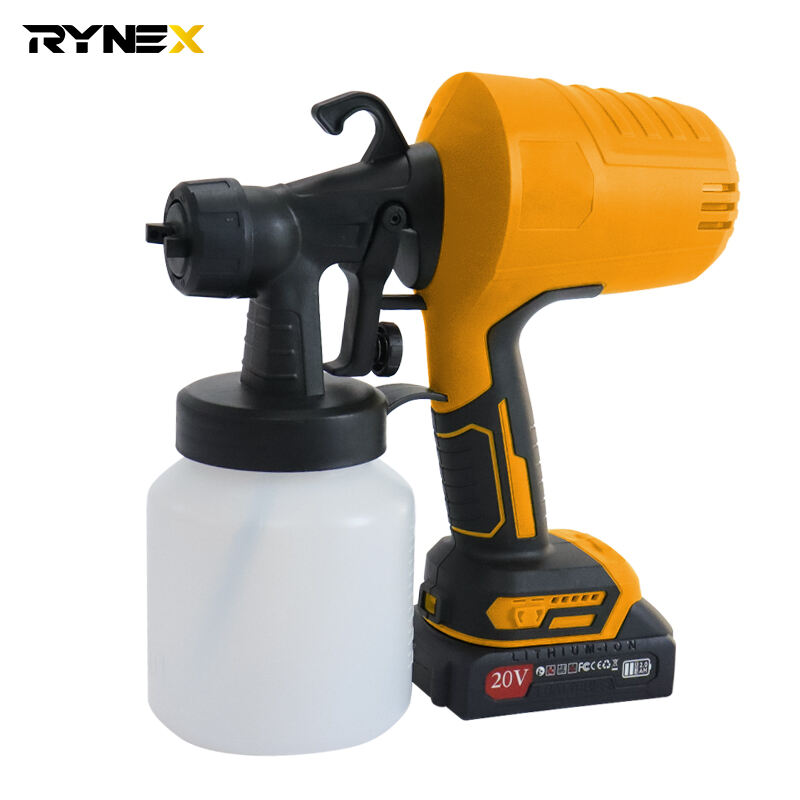
When working with professional painting and coating applications, encountering spray gun malfunctions can significantly impact productivity and finish quality. Understanding the most frequent issues that affect spray gun performance and their corresponding solutions helps maintain consistent results across various industrial and commercial projects. Whether you're dealing with automotive refinishing, furniture coating, or large-scale industrial applications, proper spray gun maintenance and troubleshooting knowledge ensures optimal equipment performance and extends tool lifespan.
Identifying Pattern Irregularities in Spray Gun Operation
Causes of Uneven Spray Patterns
Uneven spray patterns represent one of the most common spray gun problems that professionals encounter during operation. These irregularities typically manifest as heavy spots, light areas, or distorted fan patterns that compromise coating uniformity. The primary causes include worn or damaged air caps, incorrect fluid tip selection, or improper air pressure settings that disrupt the atomization process.
Material viscosity also plays a crucial role in pattern formation, as overly thick coatings cannot atomize properly through the spray gun nozzle. Additionally, contaminated or partially clogged fluid passages can create pressure imbalances that result in inconsistent material delivery. Environmental factors such as temperature fluctuations and humidity levels can further exacerbate pattern irregularities by affecting material flow characteristics.
Solutions for Pattern Problems
Resolving spray gun pattern issues requires systematic diagnosis and appropriate corrective measures. Begin by inspecting the air cap for damage, wear, or obstruction, cleaning or replacing components as necessary. Verify that the fluid tip size matches the material viscosity and application requirements, as incorrect sizing often causes pattern distortion.
Adjust air pressure settings according to manufacturer specifications and material requirements, ensuring adequate atomization without excessive overspray. Clean all fluid passages thoroughly using appropriate solvents and ensure proper material preparation including viscosity adjustment and filtration. Regular maintenance schedules help prevent pattern problems by identifying wear patterns before they affect spray gun performance significantly.
Addressing Flow Control and Material Delivery Issues
Understanding Flow Restriction Problems
Flow control problems in spray gun operation often stem from obstructions within the fluid delivery system or improper needle valve adjustments. These issues can manifest as insufficient material flow, intermittent delivery, or complete blockage that prevents proper coating application. Common causes include dried material buildup in fluid passages, damaged needle seals, or incorrectly adjusted fluid control mechanisms.
Material contamination with foreign particles or inadequate filtration can also contribute to flow restrictions by creating blockages in critical spray gun components. Temperature-sensitive materials may thicken excessively in cool conditions, requiring heating or thinning to maintain proper flow characteristics. Understanding these variables helps identify the root cause of flow problems and implement appropriate solutions.
Implementing Flow Correction Techniques
Correcting spray gun flow issues requires methodical cleaning and adjustment procedures to restore proper material delivery. Start by completely disassembling the fluid delivery components and cleaning each part with compatible solvents to remove accumulated residue. Inspect needle seals and O-rings for damage or wear, replacing components that show signs of deterioration.
Adjust the fluid control needle according to manufacturer specifications, ensuring smooth operation without excessive tightening that could damage sealing surfaces. Install appropriate filtration systems to prevent material contamination and maintain consistent spray gun performance. Consider material temperature control measures for temperature-sensitive coatings that may require heating to maintain optimal viscosity levels during application.
Resolving Air Supply and Pressure Related Complications
Air Pressure Inconsistencies and Their Impact
Air supply problems significantly affect spray gun performance by disrupting the atomization process and creating finish quality issues. Insufficient air pressure results in poor atomization, creating a coarse spray pattern with limited coverage efficiency. Conversely, excessive pressure can cause overspray, material waste, and difficulty in achieving smooth finish quality across treated surfaces.
Fluctuating air pressure from compressor cycling or inadequate air storage capacity creates inconsistent spray gun operation that manifests as varying pattern density and finish texture. Moisture contamination in compressed air lines can also affect spray gun performance by interfering with proper atomization and potentially causing finish defects. These air-related issues require systematic evaluation of the entire compressed air system serving the spray gun equipment.
Air System Optimization Strategies
Optimizing air supply for consistent spray gun operation requires attention to pressure regulation, moisture removal, and adequate flow capacity. Install pressure regulators at the spray gun to maintain consistent operating pressure regardless of supply fluctuations. Implement proper air filtration and moisture separation systems to ensure clean, dry air reaches the spray gun components.
Size the compressed air system appropriately for the spray gun requirements, considering both pressure and volume demands during continuous operation. Regular maintenance of air filters, moisture traps, and pressure regulators prevents contamination and ensures reliable spray gun performance. Monitor air quality regularly and replace filtration components according to manufacturer recommendations to maintain optimal operating conditions.
Troubleshooting Atomization and Finish Quality Problems
Common Atomization Defects
Poor atomization in spray gun operation creates numerous finish quality problems that affect the final coating appearance and durability. Orange peel texture, excessive dry spray, and uneven coverage patterns indicate inadequate material atomization that stems from various equipment or setup issues. These defects not only compromise aesthetic quality but can also affect coating performance characteristics such as adhesion and corrosion resistance.
Material selection and preparation significantly influence atomization quality, as improper viscosity or contamination can prevent effective spray gun operation. Worn spray gun components, particularly air caps and fluid tips, gradually degrade atomization performance over time. Environmental conditions including temperature, humidity, and air movement also affect the atomization process and subsequent finish quality results.
Enhancing Atomization Performance
Improving spray gun atomization requires careful attention to equipment setup, material preparation, and operating technique. Ensure proper material viscosity through appropriate thinning or heating to facilitate effective atomization. Select correct air cap and fluid tip combinations based on material characteristics and desired finish quality specifications.
Maintain optimal spray gun distance and angle during application to achieve consistent atomization and coverage patterns. Regular cleaning and replacement of worn components prevents gradual performance degradation that affects finish quality. Adjust spray gun settings systematically, testing atomization quality on sample surfaces before proceeding with production work to ensure satisfactory results.
Preventing and Managing Equipment Wear Issues
Identifying Component Wear Patterns
Regular spray gun maintenance requires understanding common wear patterns that affect equipment performance over time. Needle and seat wear creates leakage problems that manifest as dripping or poor shutoff characteristics. Air cap erosion from abrasive materials gradually enlarges orifices, affecting spray pattern geometry and atomization quality throughout the spray gun operational life.
Trigger mechanism wear can cause inconsistent operation and difficulty in achieving precise control during spray gun applications. Seal deterioration allows air or material leakage that affects pressure relationships and overall performance. Understanding these wear patterns helps implement preventive maintenance schedules that minimize downtime and maintain consistent spray gun performance throughout equipment service life.
Implementing Preventive Maintenance Programs
Effective preventive maintenance extends spray gun service life and maintains optimal performance characteristics through regular inspection and component replacement. Establish cleaning protocols that remove material residue promptly after each use, preventing accumulation that leads to component damage. Lubricate moving parts according to manufacturer specifications using appropriate lubricants that maintain smooth operation.
Create replacement schedules for wear components such as needles, seats, and seals based on usage hours and material types processed through the spray gun. Maintain adequate spare parts inventory to minimize downtime when component replacement becomes necessary. Document maintenance activities and performance observations to identify trends that indicate required service intervals or potential equipment upgrades for improved spray gun reliability.
FAQ
What causes my spray gun to produce an uneven pattern?
Uneven spray gun patterns typically result from worn or damaged air caps, incorrect fluid tip sizing, or improper air pressure settings. Material viscosity issues, contaminated fluid passages, or environmental factors can also contribute to pattern irregularities. Regular cleaning, component inspection, and proper setup adjustments usually resolve these spray gun pattern problems effectively.
How do I fix material flow problems in my spray gun?
Flow problems in spray gun operation often stem from obstructed fluid passages, damaged seals, or improper needle adjustments. Complete disassembly and cleaning of fluid components, replacement of worn seals, and proper needle adjustment typically restore normal flow. Installing appropriate filtration and maintaining proper material viscosity prevent recurring spray gun flow issues.
Why does my spray gun create poor atomization and finish quality?
Poor atomization from spray gun equipment usually indicates inadequate air pressure, incorrect material viscosity, or worn components. Environmental conditions and improper spray technique can also affect atomization quality. Adjusting air pressure, preparing materials correctly, replacing worn parts, and maintaining proper spray gun distance typically improve atomization and finish results.
How often should I perform maintenance on my spray gun?
Spray gun maintenance frequency depends on usage intensity and material types processed. Daily cleaning after use prevents residue buildup, while weekly inspections identify wear patterns early. Component replacement schedules should follow manufacturer recommendations based on operating hours. Consistent maintenance preserves spray gun performance and extends equipment service life significantly.
