
 EN
EN
Achieving professional-quality finishes in painting and coating applications requires mastering the art of spray gun operation. Whether you're working on automotive refinishing, furniture restoration, or industrial coating projects, understanding proper spray gun techniques can dramatically improve your results while reducing material waste and project completion time. Professional painters and craftsmen rely on precise spray gun control to deliver consistent, smooth finishes that meet industry standards and exceed client expectations.
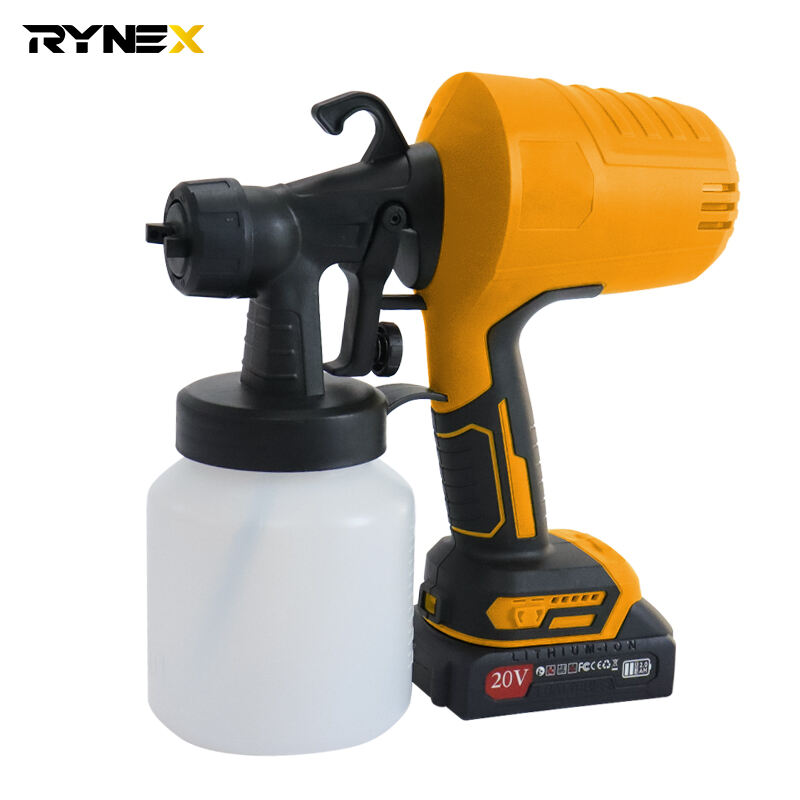
Modern spray gun technology has evolved significantly, offering painters enhanced precision, improved efficiency, and superior finish quality. Understanding the fundamental principles of spray gun operation, proper setup procedures, and advanced techniques will transform your painting capabilities and help you achieve consistently excellent results across various applications.
Understanding Spray Gun Fundamentals
Types of Spray Gun Systems
Different spray gun systems serve specific applications and offer unique advantages depending on your project requirements. Conventional spray guns utilize compressed air to atomize paint, creating fine droplets that produce smooth finishes when properly calibrated. These systems work exceptionally well for detailed work and precision applications where control is paramount.
High Volume Low Pressure systems represent a significant advancement in spray gun technology, delivering superior transfer efficiency while reducing overspray and material waste. HVLP spray gun configurations require lower air pressure but higher air volume, resulting in softer spray patterns that minimize bounce-back and improve coating adhesion.
Airless spray gun systems pump paint at high pressure through specialized tips, eliminating the need for compressed air while achieving excellent coverage rates on large surfaces. These systems excel in production environments where speed and consistency matter most, though they require careful technique to avoid common application issues.
Essential Components and Their Functions
Every spray gun consists of critical components that work together to deliver optimal performance. The air cap controls spray pattern width and atomization quality, while the fluid tip determines paint flow rate and pattern consistency. Understanding how these components interact helps operators make informed adjustments for different coating materials and application requirements.
The trigger mechanism controls both air and fluid flow, requiring proper adjustment to achieve desired spray characteristics. Most professional spray gun models feature independent controls for air pressure and fluid flow, allowing operators to fine-tune performance for specific coating viscosities and application conditions.
Paint cups and feed systems significantly impact spray gun performance and operator comfort during extended use. Gravity-feed systems work well for lighter materials and overhead applications, while pressure-feed configurations handle heavier coatings and high-production scenarios more effectively.
Proper Spray Gun Setup and Calibration
Initial Equipment Preparation
Successful spray gun operation begins with thorough equipment preparation and systematic setup procedures. Clean all components meticulously before each use, paying special attention to fluid passages and air channels that could affect spray pattern quality. Any residual material or debris will compromise finish quality and potentially damage expensive equipment.
Verify that all connections are secure and properly sealed to prevent air leaks that could affect spray gun performance. Check fluid cup attachment, air hose connections, and regulator settings to ensure consistent operation throughout your painting session. Proper preparation prevents costly mistakes and ensures professional results from the start.
Select appropriate tip sizes and air caps based on your coating material viscosity and desired finish characteristics. Thicker materials require larger tip openings, while fine finishes benefit from smaller tips that produce finer atomization. Matching equipment specifications to material requirements is essential for optimal spray gun performance.
Pressure and Flow Adjustments
Calibrating air pressure and fluid flow represents the most critical aspect of spray gun setup for achieving professional results. Begin with manufacturer-recommended settings, then make incremental adjustments based on actual spray patterns and coating behavior. Too much pressure creates excessive overspray and material waste, while insufficient pressure produces poor atomization and uneven coverage.
Test spray patterns on practice surfaces before beginning actual work, adjusting fluid flow to achieve desired coverage without runs or sags. The ideal spray gun pattern shows even material distribution across the entire spray width, with gradual feathering at the edges rather than heavy center concentration.
Document successful settings for different coating materials and applications, creating reference guides that ensure consistent results across multiple projects. This systematic approach eliminates guesswork and reduces setup time for future applications using similar materials and conditions.
Advanced Application Techniques
Proper Distance and Movement Patterns
Maintaining consistent distance between the spray gun and work surface is fundamental to achieving uniform finish quality. Most applications require spray gun distances between six and ten inches, though specific requirements vary based on equipment type and coating characteristics. Closer distances increase coverage density but risk runs and sags, while excessive distance reduces transfer efficiency and finish quality.
Develop smooth, consistent movement patterns that ensure even coating distribution across all surfaces. Linear passes with slight overlap between each stroke create the most uniform coverage, while maintaining constant speed prevents density variations that appear as streaks or blotches in the final finish.
Practice proper wrist and arm positioning to maintain steady spray gun orientation throughout each pass. The spray gun should remain perpendicular to the work surface, avoiding angular positions that create uneven material distribution and pattern distortion.
Managing Complex Surfaces and Detail Work
Complex surfaces require modified spray gun techniques to ensure complete coverage while maintaining finish consistency. Inside corners and recessed areas benefit from adjusted spray patterns and reduced distances that ensure adequate material penetration without creating buildup or runs.
Detail work demands precise spray gun control and often requires specialized techniques or equipment modifications. Reducing fluid flow and air pressure for intricate areas helps prevent overspray while maintaining sufficient atomization for smooth finishes. Many professionals use spray gun systems with adjustable patterns specifically designed for versatile applications.
Curved surfaces present unique challenges that require careful attention to spray gun angle and distance consistency. Following the surface contour while maintaining proper orientation ensures even coverage without creating shadows or missed areas that compromise finish quality.
Troubleshooting Common Issues
Pattern Problems and Solutions
Identifying and correcting spray gun pattern problems is essential for maintaining professional finish quality. Heavy center patterns typically indicate excessive fluid flow or insufficient air pressure, while split patterns suggest tip wear or improper air cap alignment. Systematic troubleshooting helps identify root causes quickly and implement appropriate corrections.
Uneven spray patterns often result from partially blocked air passages or damaged spray gun components. Regular cleaning and maintenance prevent most pattern issues, while component inspection helps identify wear items that require replacement before they affect finish quality.
Spitting or intermittent spray gun operation usually indicates air leaks, contamination in fluid passages, or improper material preparation. Thorough system inspection and cleaning typically resolves these issues and restores normal operation patterns.
Material Flow and Consistency Issues
Inconsistent material flow affects spray gun performance and finish quality across all application types. Poor atomization often results from incorrect pressure settings or material viscosity problems that require adjustment or thinning to achieve proper spray characteristics.
Temperature variations significantly impact coating viscosity and spray gun performance, requiring adjustments to maintain consistent application characteristics. Cold materials require reduced viscosity or increased pressure, while warm conditions may necessitate opposite modifications to maintain optimal spray patterns.
Clogged spray gun components create flow restrictions that affect pattern quality and material transfer efficiency. Implementing proper cleaning procedures and using appropriate solvents for each coating type prevents most flow-related problems and extends equipment life.
Maintenance and Care Procedures
Daily Cleaning Protocols
Proper spray gun maintenance begins with thorough cleaning after each use, preventing material buildup that could affect future performance. Disassemble removable components and clean all fluid passages with appropriate solvents, ensuring complete removal of coating residues that could harden and create blockages.
Pay special attention to air cap cleaning, removing any material accumulation around air holes that could distort spray patterns. Use soft brushes and appropriate cleaning solutions to avoid damaging precision-machined surfaces that control spray gun performance characteristics.
Lubricate moving parts according to manufacturer specifications, using recommended lubricants that won't contaminate future coating applications. Proper lubrication ensures smooth trigger operation and extends component life while maintaining consistent spray gun performance.
Long-term Equipment Care
Systematic spray gun maintenance extends equipment life while ensuring consistent performance across thousands of applications. Schedule regular component inspections to identify wear items before they affect finish quality or cause equipment failure during critical projects.
Replace worn spray gun components promptly using genuine parts that meet original equipment specifications. Generic components may appear similar but often lack the precision manufacturing required for professional finish quality and consistent performance.
Store spray gun equipment properly in clean, dry conditions that prevent corrosion and contamination. Proper storage procedures protect precision components while ensuring equipment readiness for immediate use when needed.
Safety and Environmental Considerations
Personal Protection Requirements
Safe spray gun operation requires comprehensive personal protective equipment designed specifically for painting applications. Respiratory protection is essential when using most coating materials, particularly those containing volatile solvents or hazardous components that could affect health through inhalation exposure.
Eye and skin protection prevents contact with coating materials and overspray that could cause irritation or long-term health effects. Quality protective equipment enhances operator comfort while ensuring compliance with safety regulations and industry best practices.
Proper ventilation systems remove airborne contaminants while providing fresh air circulation that improves working conditions and reduces health risks. Adequate ventilation is particularly important when using spray gun equipment in enclosed spaces where contaminant concentration could exceed safe exposure limits.
Environmental Impact Management
Professional spray gun operation includes responsible environmental management practices that minimize waste and reduce air quality impacts. Proper overspray capture systems collect excess material while preventing environmental contamination that could affect local air and water quality.
Material selection and application efficiency directly impact environmental consequences of spray gun operations. High-efficiency application techniques reduce material consumption while achieving superior finish quality, demonstrating that environmental responsibility and professional results complement each other effectively.
Waste disposal procedures must comply with local regulations while supporting sustainable business practices. Proper handling of used solvents, contaminated materials, and worn spray gun components protects environmental resources while maintaining regulatory compliance.
Frequently Asked Questions
What air pressure should I use with my spray gun
Optimal air pressure varies significantly based on your specific spray gun type, coating material, and application requirements. Most HVLP systems operate effectively between 10-15 PSI at the air cap, while conventional spray guns typically require 25-40 PSI for proper atomization. Always start with manufacturer recommendations and adjust based on actual spray pattern quality and material transfer efficiency. Higher pressures increase atomization but also create more overspray, while lower pressures may produce poor material breakdown and uneven coverage.
How often should I clean my spray gun during extended use
Cleaning frequency depends on coating material characteristics and application duration, but most professionals clean spray gun equipment every 2-4 hours during continuous use. Fast-drying materials and high-solids coatings require more frequent cleaning to prevent buildup that could affect spray patterns or cause equipment damage. Monitor spray gun performance continuously and clean immediately when you notice pattern changes or flow irregularities. Quick cleaning during breaks prevents major buildup while maintaining consistent finish quality throughout long painting sessions.
Can I use different types of paint in the same spray gun without problems
Different coating types often require specific spray gun configurations and cleaning procedures to achieve optimal results and prevent compatibility problems. Water-based and solvent-based materials generally require different setups and thorough cleaning between applications to prevent chemical reactions or finish defects. Some coating combinations are completely incompatible and could damage spray gun components or create dangerous chemical reactions. Always consult material safety data sheets and manufacturer recommendations before switching between different coating types in the same equipment.
What causes orange peel texture in spray gun finishes
Orange peel texture typically results from poor material atomization caused by incorrect spray gun settings or application techniques. Common causes include insufficient air pressure, excessive spray distance, improper material viscosity, or environmental conditions that affect coating flow and leveling. Fast-drying conditions and high temperatures often contribute to orange peel problems by preventing proper material flow before the coating begins to set. Adjusting spray gun pressure, reducing distance, thinning material appropriately, or modifying environmental conditions usually eliminates orange peel texture and produces smooth, professional finishes.
