
 EN
EN
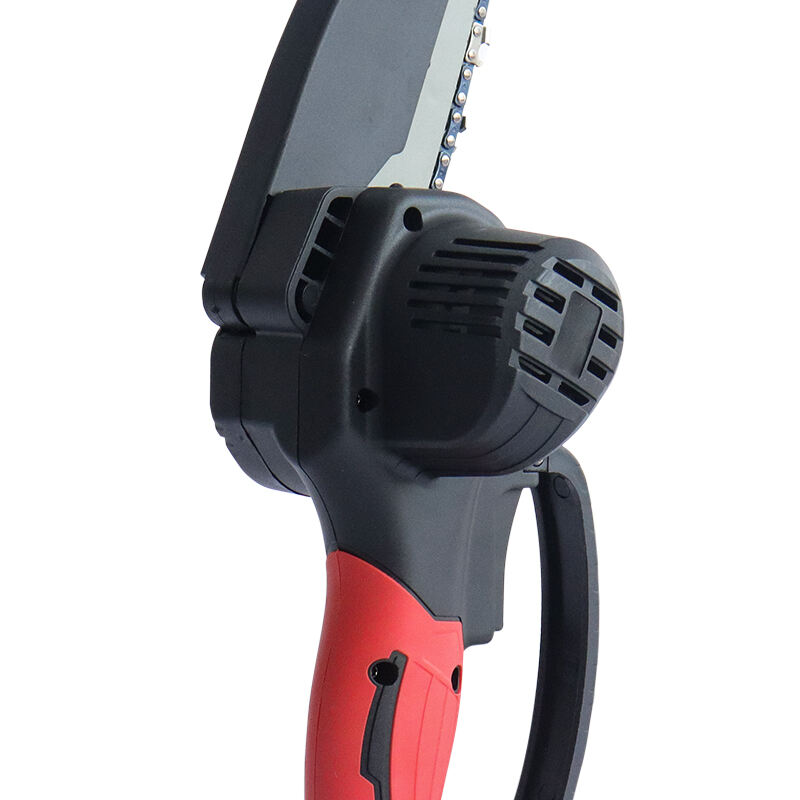
Modern outdoor maintenance has been revolutionized by the advent of battery-powered cutting tools, with the cordless chainsaw leading this transformation. These versatile machines offer unprecedented convenience and mobility, eliminating the constraints of power cords while delivering reliable performance for various cutting tasks. Whether you're a professional landscaper or a homeowner managing property upkeep, understanding proper maintenance protocols is essential for maximizing your equipment's lifespan and ensuring optimal cutting performance.
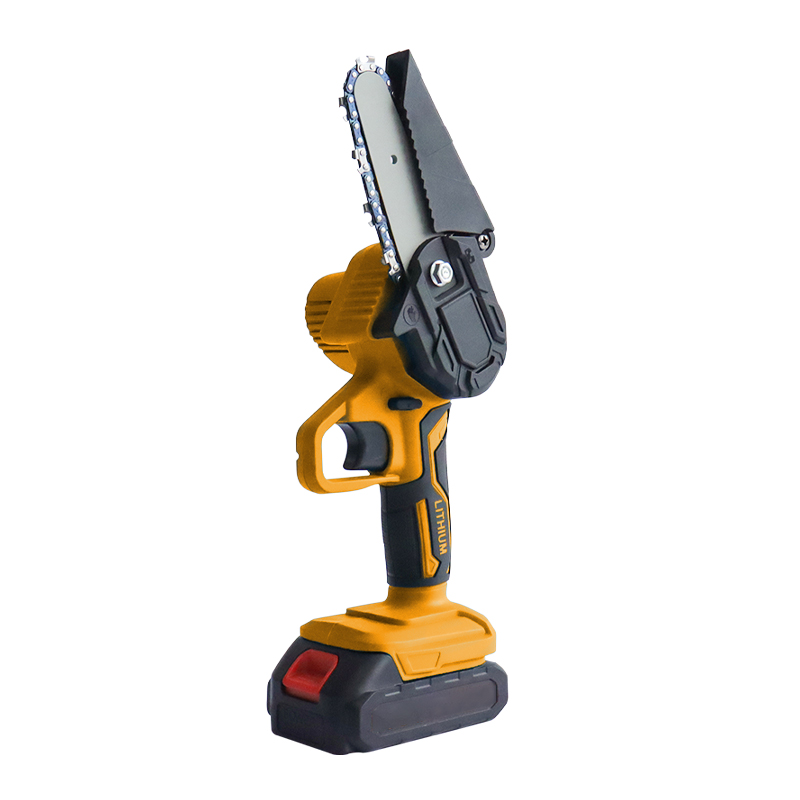
Professional maintenance extends far beyond occasional cleaning and battery charging. Today's advanced cordless chainsaws incorporate sophisticated engineering that requires systematic care to preserve cutting efficiency, prevent premature component wear, and maintain safety standards throughout their operational life. Implementing a comprehensive maintenance routine not only protects your investment but also ensures consistent performance across diverse cutting applications.
Battery System Care and Optimization
Proper Charging Protocols
Battery management forms the cornerstone of cordless chainsaw maintenance, directly impacting both performance longevity and operational reliability. Lithium-ion batteries, commonly found in modern cordless chainsaws, require specific charging protocols to maintain optimal capacity and prevent degradation. Always use manufacturer-approved chargers and avoid exposing batteries to extreme temperatures during charging cycles.
Establishing consistent charging habits significantly extends battery lifespan while ensuring reliable power delivery. Charge batteries when they reach approximately 20-30% capacity rather than allowing complete depletion, as deep discharge cycles can damage lithium-ion cells. Store batteries in cool, dry environments and maintain partial charge levels during extended storage periods to preserve chemical stability.
Battery Storage and Seasonal Care
Seasonal storage practices play a crucial role in maintaining battery performance throughout varying weather conditions and usage patterns. During winter months or extended non-use periods, store batteries at approximately 40-50% charge level to prevent capacity loss and chemical degradation. Remove batteries from the cordless chainsaw during storage to prevent parasitic drain and potential corrosion issues.
Temperature control during storage prevents permanent damage to battery cells and maintains optimal performance characteristics. Avoid storing batteries in locations subject to freezing temperatures or excessive heat, such as unheated garages or vehicle interiors. Periodic maintenance charging every 2-3 months during storage maintains cell balance and prevents deep discharge conditions.
Chain and Bar Maintenance Excellence
Chain Sharpening and Tension Management
Chain maintenance directly affects cutting efficiency, safety, and overall cordless chainsaw performance. Sharp chains require less battery power while producing cleaner cuts and reducing operator fatigue. Inspect chain sharpness regularly by examining cutting edges for nicks, dullness, or uneven wear patterns that indicate maintenance needs.
Proper chain tension prevents premature wear while ensuring safe operation and optimal cutting performance. Check tension before each use by lifting the chain slightly from the guide bar; properly tensioned chains should lift approximately 1/8 inch without excessive resistance. Adjust tension using manufacturer-specified procedures, avoiding over-tightening that can damage drive mechanisms or cause premature chain wear.
Lubrication Systems and Bar Care
Automatic lubrication systems require regular attention to maintain proper chain and bar protection during cutting operations. Check oil reservoir levels before each use and refill with manufacturer-recommended bar and chain oil to ensure adequate lubrication. Quality lubricants reduce friction, prevent overheating, and extend component lifespan significantly.
Guide bar maintenance includes regular inspection for wear, damage, and proper groove depth. Clean debris from bar grooves using appropriate tools and inspect for signs of excessive wear or damage that could affect chain tracking. Rotate the bar periodically to ensure even wear patterns and maintain straight cutting performance throughout its operational life.
Motor and Drive System Maintenance
Cleaning and Debris Removal
Regular cleaning prevents debris accumulation that can impair motor cooling and reduce operational efficiency in cordless chainsaw applications. Remove sawdust, bark, and other organic debris from motor housings, air vents, and cooling fins after each use. Use compressed air or soft brushes to clean inaccessible areas without damaging sensitive components.
Pay particular attention to air intake areas and cooling channels that maintain optimal operating temperatures during extended cutting sessions. Blocked ventilation can cause overheating, reduced battery life, and potential motor damage. Establish post-use cleaning routines that prevent debris buildup and maintain peak performance capabilities.
Drive Sprocket and Clutch Inspection
Drive system components require periodic inspection to identify wear patterns and prevent unexpected failures during operation. Examine drive sprockets for tooth wear, damage, or excessive play that could affect chain engagement and cutting performance. Replace worn sprockets promptly to prevent chain damage and maintain smooth operation.
Clutch mechanisms in cordless chainsaw systems require minimal maintenance but benefit from periodic inspection for proper engagement and release characteristics. Check for unusual noises, vibrations, or engagement issues that might indicate internal wear or damage requiring professional attention.
Safety System Verification
Chain Brake Functionality
Chain brake systems provide essential safety protection and require regular testing to ensure proper operation during emergency situations. Test brake engagement by activating the brake handle and attempting to operate the chainsaw; the chain should remain stationary when the brake is properly engaged. Any malfunction requires immediate attention before resuming cutting operations.
Inspect brake components for wear, damage, or debris that might impair proper function. Clean brake mechanisms regularly and ensure smooth operation without binding or excessive resistance. Professional servicing may be required for complex brake system issues that affect safety performance.
Throttle and Safety Switch Inspection
Throttle controls and safety switches require regular verification to maintain proper operational control and prevent accidental activation. Test throttle response throughout the operating range, checking for smooth operation without sticking or irregular behavior. Safety switches should engage and disengage cleanly without requiring excessive force or showing signs of wear.
Document any irregularities in control operation and address issues promptly to maintain safe operating conditions. Faulty controls can lead to dangerous situations and should never be ignored or temporarily bypassed during operation.
Troubleshooting Common Issues
Performance Degradation Solutions
Reduced cutting performance often results from maintenance neglect rather than component failure, making systematic troubleshooting essential for cordless chainsaw restoration. Begin with basic maintenance items such as chain sharpness, proper tension, and adequate lubrication before investigating more complex issues. Battery condition significantly affects performance and should be evaluated when experiencing power-related problems.
Systematic diagnosis prevents unnecessary repairs while identifying root causes of performance issues. Check air filtration, motor ventilation, and drive system condition methodically to isolate problems and implement appropriate solutions. Document maintenance activities to track patterns and prevent recurring issues.
Starting and Operational Problems
Starting difficulties in cordless chainsaws typically relate to battery condition, safety system engagement, or control malfunctions rather than mechanical issues. Verify battery charge levels and connections before investigating other potential causes. Ensure all safety systems are properly disengaged and controls are in correct starting positions.
Intermittent operation problems often indicate loose connections, worn contacts, or thermal protection activation. Allow units to cool completely before retesting and inspect all electrical connections for corrosion or damage. Professional diagnosis may be required for complex electrical issues affecting reliable operation.
FAQ
How often should I sharpen my cordless chainsaw chain
Chain sharpening frequency depends on usage intensity and cutting conditions, but generally requires attention every 3-5 hours of active cutting time. Hard woods, dirty conditions, and contact with soil accelerate dulling and may require more frequent sharpening. Monitor cutting performance and inspect cutting edges regularly to determine optimal sharpening intervals for your specific applications.
What type of oil should I use for chain lubrication
Use only manufacturer-recommended bar and chain oil designed specifically for chainsaw applications. These specialized lubricants provide superior adhesion, temperature stability, and environmental protection compared to general-purpose oils. Avoid using motor oil or other substitutes that may damage lubrication systems or provide inadequate protection for cutting components.
How do I know when my battery needs replacement
Battery replacement becomes necessary when runtime significantly decreases despite proper maintenance and charging practices. Typical indicators include reduced cutting power, shortened operating time, or failure to hold charge for normal periods. Most cordless chainsaw batteries provide 2-5 years of service depending on usage patterns and care quality.
Can I use my cordless chainsaw in wet conditions
Most cordless chainsaws offer weather-resistant construction but should not be operated in heavy rain or standing water conditions. Light moisture and damp conditions are generally acceptable, but always check manufacturer specifications for your specific model. Dry equipment thoroughly after use in wet conditions and inspect for moisture intrusion that could damage electrical components.
