
 EN
EN
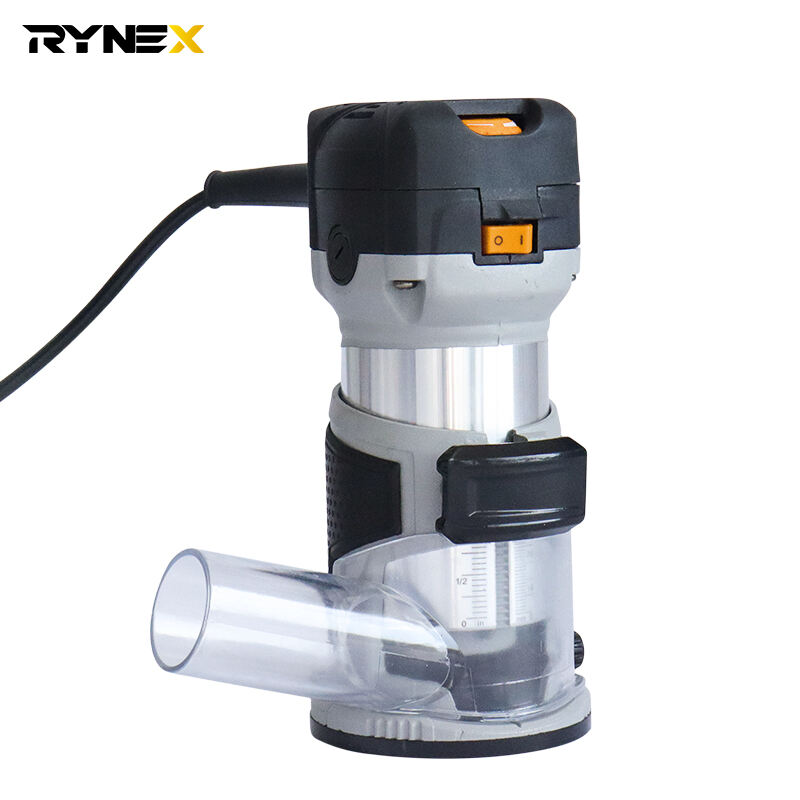
Proper maintenance of a wood planer is crucial for achieving consistent, high-quality results in woodworking projects. Whether you're a professional carpenter or an enthusiastic hobbyist, understanding how to care for your wood planer will extend its lifespan and ensure optimal performance. Regular maintenance prevents costly repairs, reduces downtime, and maintains the precision that makes your woodworking projects successful. A well-maintained wood planer delivers smooth, uniform cuts while operating safely and efficiently throughout its service life.
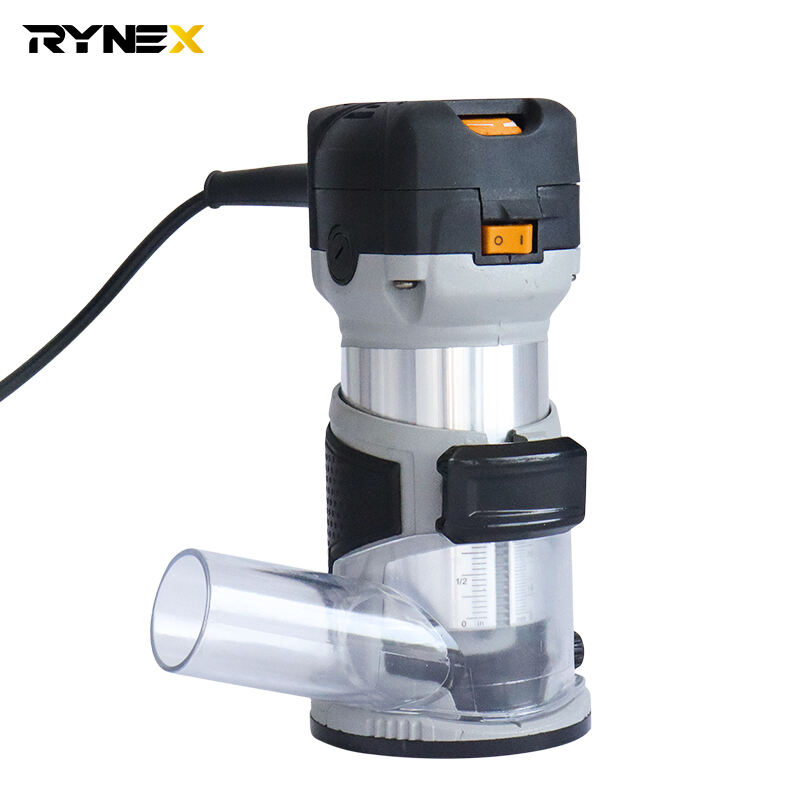
The foundation of effective wood planer maintenance lies in understanding your equipment's specific requirements and developing a systematic approach to care. Different types of planers, from handheld models to industrial-grade machines, have varying maintenance needs that must be addressed to preserve their functionality. Establishing a regular maintenance routine prevents minor issues from developing into major problems that could compromise your woodworking projects or require expensive professional repairs.
Daily Maintenance Routines
Pre-Operation Inspection
Before each use, conduct a thorough visual inspection of your wood planer to identify any potential issues. Check the power cord for damage, ensure all safety guards are properly positioned, and verify that the cutting blades are securely fastened. Examine the feed table and outfeed table for any debris, wood chips, or foreign objects that could interfere with operation or damage your workpiece.
Inspect the depth adjustment mechanism to ensure it moves smoothly and locks securely at the desired setting. Test all controls and switches to confirm they operate correctly before connecting power to the machine. This preliminary inspection takes only a few minutes but can prevent accidents and equipment damage that might otherwise occur during operation.
Post-Operation Cleaning
After completing your woodworking session, immediate cleaning is essential for maintaining your wood planer in optimal condition. Disconnect the power source and allow the machine to cool completely before beginning any cleaning procedures. Remove all wood chips, dust, and debris from the cutting chamber, feed tables, and surrounding areas using appropriate cleaning tools.
Pay special attention to the chip ejection system, as accumulated debris can cause blockages that reduce efficiency and potentially damage the machine. Use compressed air to blow out hard-to-reach areas, but ensure you wear appropriate eye protection and work in a well-ventilated space to avoid inhaling dust particles.
Blade Maintenance and Replacement
Blade Inspection Techniques
Regular blade inspection is fundamental to wood planer maintenance, as dull or damaged blades compromise cut quality and can strain the motor. Examine blades for nicks, chips, or excessive wear that could affect performance. Look for signs of uneven wear patterns that might indicate alignment issues or problems with the cutting head assembly.
Check blade sharpness by carefully running your finger along the edge (with the machine unplugged and blade guards in place). Sharp blades should feel smooth and consistent, while dull blades may have rough or rounded edges. Visual inspection under good lighting can reveal minute chips or damage that might not be immediately apparent during casual observation.
Proper Blade Replacement Procedures
When blade replacement becomes necessary, follow manufacturer specifications precisely to ensure proper installation and optimal performance. Use only recommended replacement blades that match your wood planer specifications for length, width, and mounting configuration. Incorrect blade selection can lead to poor performance, safety hazards, or damage to the cutting head assembly.
Install new blades with proper torque specifications using calibrated tools to ensure even pressure distribution across all mounting points. Misaligned or improperly tightened blades can cause vibration, poor cut quality, and premature wear of machine components. After installation, perform a test cut on scrap material to verify proper blade alignment and cutting performance before proceeding with actual project work.
Lubrication and Moving Parts
Lubrication Schedule and Points
Systematic lubrication is essential for maintaining smooth operation and preventing premature wear of moving components in your wood planer. Identify all lubrication points specified in your owner's manual, including bearing assemblies, adjustment mechanisms, and guide rails. Different components may require different types of lubricants, so use only manufacturer-recommended products to avoid compatibility issues.
Establish a regular lubrication schedule based on usage frequency and operating conditions. Heavy-use environments may require more frequent lubrication than occasional hobby use. Keep detailed records of lubrication dates and products used to ensure consistency and help identify any developing issues with specific components.
Belt and Chain Maintenance
Drive belts and chains require regular inspection and adjustment to maintain proper tension and alignment. Check belt condition for signs of cracking, fraying, or excessive wear that could lead to failure during operation. Proper belt tension is crucial for efficient power transmission and preventing slippage that reduces cutting performance.
Adjust belt tension according to manufacturer specifications, as both over-tensioning and under-tensioning can cause problems. Over-tight belts increase bearing load and reduce component life, while loose belts slip and reduce cutting efficiency. Replace worn belts promptly to avoid sudden failure that could damage other components or create safety hazards.
Electrical System Care
Motor Ventilation and Cooling
Proper motor ventilation is critical for preventing overheating and extending motor life in your wood planer. Keep all ventilation openings clear of dust, debris, and obstructions that could restrict airflow. Regularly clean cooling fins and air passages using compressed air or appropriate cleaning tools to maintain optimal heat dissipation.
Monitor motor temperature during extended operations and allow adequate cooling time between intensive cutting sessions. Overheating can damage motor windings, reduce efficiency, and lead to premature failure. If your wood planer begins operating at higher temperatures than normal, investigate potential causes such as blocked ventilation, worn bearings, or electrical issues.
Electrical Connection Maintenance
Inspect all electrical connections regularly for signs of corrosion, looseness, or damage that could affect performance or create safety hazards. Ensure all wire connections are tight and properly secured within junction boxes and control panels. Look for signs of arcing, burning, or discoloration around electrical connections that might indicate developing problems.
Keep electrical components clean and dry to prevent moisture-related issues that could cause corrosion or electrical failures. If you notice any electrical problems or unusual behavior, discontinue use immediately and consult a qualified technician for proper diagnosis and repair.
Storage and Environmental Considerations
Proper Storage Techniques
Proper storage significantly impacts the longevity and performance of your wood planer when not in active use. Store the machine in a clean, dry environment with stable temperature and humidity levels to prevent rust, corrosion, and other environmental damage. Cover the wood planer with appropriate protective materials to shield it from dust and moisture while allowing air circulation.
Apply light oil to exposed metal surfaces before extended storage periods to provide additional protection against rust and corrosion. Remove or properly protect blades according to manufacturer recommendations, as improper storage can dull cutting edges or cause damage that requires professional sharpening or replacement.
Climate Control and Protection
Maintain consistent environmental conditions in your workshop to minimize the effects of temperature and humidity fluctuations on your wood planer. Extreme temperature changes can cause metal components to expand and contract, potentially affecting precision and alignment. High humidity levels promote rust and corrosion, while very low humidity can cause certain materials to become brittle.
Use dehumidifiers or climate control systems when necessary to maintain optimal conditions for tool storage and operation. Consider the placement of your wood planer within the workshop to avoid areas prone to moisture accumulation or extreme temperature variations that could impact its performance and longevity.
Troubleshooting Common Issues
Performance Problems and Solutions
When your wood planer begins exhibiting performance issues, systematic troubleshooting helps identify and resolve problems before they become more serious. Common symptoms include rough cuts, burning marks on wood surfaces, excessive vibration, or unusual noise during operation. Each symptom typically points to specific potential causes that can be addressed through proper maintenance procedures.
Document any performance changes or unusual behavior to help identify patterns that might indicate developing problems. Keep maintenance records that include dates, procedures performed, and any issues discovered during inspections. This information proves valuable for troubleshooting and helps establish maintenance intervals appropriate for your specific usage patterns.
When to Seek Professional Service
While many maintenance tasks can be performed by the operator, certain issues require professional attention to ensure safety and proper repair. Electrical problems, motor issues, or significant mechanical damage should be addressed by qualified technicians with appropriate training and equipment. Attempting complex repairs without proper expertise can worsen problems and create safety hazards.
Recognize the limits of your technical abilities and don't hesitate to seek professional help when needed. Professional service may initially cost more than attempting self-repair, but proper diagnosis and repair by qualified technicians often saves money in the long term by preventing additional damage and ensuring reliable operation.
FAQ
How often should I sharpen or replace wood planer blades
The frequency of blade sharpening or replacement depends on usage intensity, wood types being processed, and blade quality. Professional shops using their wood planer daily may need blade attention weekly, while occasional hobbyists might go months between blade maintenance. Monitor cut quality and blade condition rather than relying solely on time intervals, as different woods and cutting conditions affect blade wear rates significantly.
What type of oil should I use for lubricating my wood planer
Always use lubricants specifically recommended by your wood planer manufacturer, as different components may require different oil types and viscosities. Light machine oil works well for most moving parts, while bearing assemblies might require specific bearing grease. Avoid using automotive oils or general-purpose lubricants that might not provide adequate protection or could damage seals and gaskets in your machine.
Why does my wood planer leave snipe marks on my boards
Snipe marks typically result from improper feed technique, worn components, or insufficient support for workpieces entering or exiting the wood planer. Ensure proper infeed and outfeed support, maintain consistent feed pressure, and check for worn or misaligned components that might allow the cutting head to dig deeper at board ends. Regular maintenance of adjustment mechanisms and proper technique usually eliminate this common problem.
Can I use my wood planer on all types of wood species
While most wood planers can handle various wood species, extremely hard woods, oily species, or materials containing silica may require special considerations or blade types. Consult your owner's manual for guidance on appropriate materials and any limitations. Some exotic woods or treated lumber may cause excessive blade wear or require different cutting speeds and feed rates to achieve optimal results without damaging your equipment.
