
 EN
EN
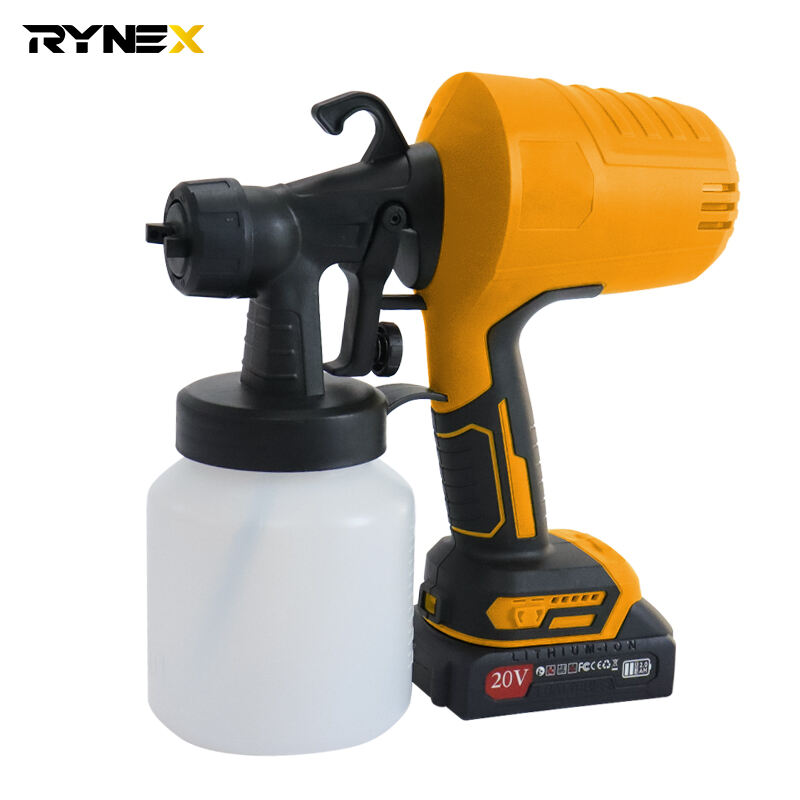
Selecting the right spray gun for your DIY projects can transform ordinary painting tasks into professional-quality results. Whether you're refinishing furniture, updating kitchen cabinets, or tackling exterior siding, the right spray gun delivers superior coverage, reduces material waste, and saves countless hours compared to traditional brush and roller methods. Modern spray gun technology has evolved significantly, offering homeowners and hobbyists access to tools that were once exclusive to professional contractors.
Understanding the fundamentals of spray gun selection ensures your investment delivers optimal performance for years to come. The market offers numerous options, from basic airless models to sophisticated HVLP systems, each designed for specific applications and skill levels. Making an informed decision requires evaluating your project requirements, workspace constraints, and long-term painting goals.
Understanding Different Spray Gun Types
Airless Spray Gun Systems
Airless spray gun systems operate by forcing paint through a small orifice at extremely high pressure, typically ranging from 1,500 to 4,000 PSI. This technology eliminates the need for compressed air, making these units ideal for covering large surfaces quickly and efficiently. The high-pressure delivery creates a fine atomization pattern that penetrates surface textures and provides excellent coverage on rough or textured materials.
These systems excel in applications involving thick coatings, exterior paints, and primers that require deep penetration. Professional contractors often prefer airless systems for their speed and ability to handle high-viscosity materials without thinning. However, the learning curve can be steep for beginners, as overspray control requires practice and proper technique development.
HVLP Technology Benefits
High Volume Low Pressure (HVLP) systems represent a significant advancement in spray gun technology, delivering superior transfer efficiency while minimizing overspray. Operating at air pressures below 10 PSI at the air cap, HVLP systems create a soft spray pattern that reduces material waste and environmental impact. This technology is particularly valuable for detailed work, automotive applications, and projects requiring precise control.
The reduced overspray characteristics of HVLP systems make them environmentally friendly and cost-effective for materials usage. These systems typically achieve 65-80% transfer efficiency, meaning more paint reaches the target surface rather than becoming airborne waste. For DIY enthusiasts working in enclosed spaces or on detailed projects, HVLP technology provides cleaner working conditions and superior finish quality.
Power Source Considerations
Cordless Convenience and Mobility
Cordless spray gun systems have revolutionized DIY painting by eliminating the constraints of power cords and air hoses. Battery-powered units offer unprecedented mobility, allowing users to navigate around obstacles, work at various heights, and access remote locations without electrical connections. Modern lithium-ion battery technology provides extended runtime and consistent power delivery throughout the charge cycle.
The convenience factor extends beyond mobility to include reduced setup time and simplified cleanup procedures. Cordless units eliminate the need for compressor maintenance, air line management, and electrical safety concerns in outdoor environments. For homeowners tackling fence painting, deck staining, or exterior touch-up work, cordless spray gun technology offers unmatched versatility and user-friendly operation.
Electric and Pneumatic Options
Electric spray gun systems provide consistent power delivery for extended painting sessions without battery limitations. These units typically offer variable speed control, allowing users to adjust spray volume and pattern intensity based on project requirements. Electric models often feature higher capacity paint cups and more robust motor systems capable of handling thicker materials.
Pneumatic spray gun systems require compressed air supply but offer exceptional control and professional-grade performance. These systems provide the finest atomization and most precise spray patterns, making them ideal for detailed work, automotive applications, and projects requiring flawless finish quality. The initial investment in compressor equipment may be offset by superior long-term performance and versatility.
Material Compatibility Factors
Paint Viscosity Requirements
Understanding paint viscosity compatibility is crucial for optimal spray gun performance and finish quality. Different coating materials require specific atomization pressures and nozzle configurations to achieve proper flow characteristics. Water-based paints typically have lower viscosity and require less thinning, while oil-based materials may need dilution or specialized equipment handling.
Modern spray gun systems often include viscosity testing tools and thinning guidelines to help users achieve optimal material consistency. Proper viscosity ensures smooth flow through the system, prevents clogging, and delivers consistent spray patterns. Testing material flow on sample surfaces before beginning full-scale projects prevents costly mistakes and ensures professional results.
Specialty Coating Applications
Specialty coatings such as primers, stains, lacquers, and textured finishes require specific spray gun capabilities and configurations. High-build primers may need larger fluid nozzles and increased pressure settings, while delicate lacquers require fine atomization and precise control. Understanding these requirements helps ensure your spray gun investment meets diverse project needs.
Texture applications, metallic finishes, and decorative coatings present unique challenges that standard equipment may not handle effectively. Researching manufacturer specifications and compatibility charts helps identify systems capable of handling your intended applications. Some specialty coatings may require heated spray systems or specialized nozzle configurations for optimal results.
Performance and Efficiency Features
Spray Pattern Control
Advanced spray pattern control capabilities distinguish professional-grade systems from basic consumer models. Adjustable fan width, material flow rate, and air pressure settings allow users to customize spray characteristics for different applications and surface types. These controls enable seamless transitions between detailed work and broad coverage applications within the same project.
Pattern consistency across the entire spray width ensures uniform coverage and prevents streaking or uneven coating thickness. Quality spray gun systems maintain consistent atomization from edge to edge, regardless of spray distance or angle. This consistency is particularly important for visible surfaces where finish uniformity directly impacts the overall appearance of completed projects.
Transfer Efficiency Optimization
Transfer efficiency measures how much material actually reaches the target surface versus how much becomes overspray waste. High-efficiency systems reduce material costs, minimize cleanup requirements, and create healthier working environments by reducing airborne particles. Modern spray gun designs incorporate aerodynamic improvements that enhance transfer rates while maintaining finish quality.
Optimized transfer efficiency also reduces environmental impact by minimizing volatile organic compound emissions and material waste. For budget-conscious DIY enthusiasts, improved efficiency translates directly into cost savings on expensive specialty coatings and primers. Understanding efficiency ratings helps evaluate the true cost of ownership beyond initial equipment purchase price.
Maintenance and Durability Considerations
Cleaning and Care Requirements
Regular maintenance significantly extends spray gun lifespan and ensures consistent performance across multiple projects. Understanding cleaning procedures for different coating types prevents residue buildup that can compromise spray patterns and clog internal components. Water-based materials typically require simple soap and water cleaning, while solvent-based coatings need appropriate thinners for thorough maintenance.
Proper storage procedures protect internal seals, prevent corrosion, and maintain calibration settings between uses. Many modern systems include quick-disconnect fittings and tool-free disassembly features that simplify cleaning procedures. Investing time in proper maintenance prevents expensive repairs and ensures reliable performance when you need it most.
Component Replacement and Upgrades
Quality spray gun systems feature replaceable wear components such as nozzles, needles, and seals that extend equipment lifespan and maintain peak performance. Understanding which components require periodic replacement helps budget for long-term ownership costs. Manufacturer support for replacement parts and upgrade options protects your investment against obsolescence.
Modular design features allow users to upgrade capabilities as skills develop and project requirements expand. Some systems accept different spray tips, material delivery systems, and pressure configurations that adapt to changing needs. This flexibility makes initial equipment selection less critical while providing growth opportunities as experience increases.
Budget and Value Assessment
Initial Investment Analysis
Evaluating spray gun value requires considering both upfront costs and long-term ownership expenses including maintenance, replacement parts, and operational efficiency. Entry-level systems may appear cost-effective initially but could prove expensive if they require frequent repairs or deliver poor transfer efficiency. Professional-grade equipment often provides superior value through enhanced durability and performance.
Comparing features across price ranges helps identify systems that deliver optimal value for specific applications. Consider factors such as warranty coverage, manufacturer support, and user reviews when evaluating potential purchases. Sometimes investing slightly more upfront results in significantly better long-term satisfaction and lower total ownership costs.
Long-term Cost Benefits
Quality spray gun systems deliver substantial savings compared to traditional painting methods through reduced labor time, improved material utilization, and superior finish durability. Professional-quality results increase property values and reduce the need for frequent repainting or touch-up work. These benefits often justify higher initial equipment costs through improved outcomes and reduced maintenance requirements.
Energy efficiency, reduced material waste, and faster project completion contribute to overall value proposition beyond initial purchase price. For frequent users, these operational savings accumulate significantly over time. Consider your anticipated usage patterns and project frequency when evaluating different investment levels and feature sets.
FAQ
What safety precautions should I take when using a spray gun for DIY projects
Always wear appropriate personal protective equipment including respirators rated for the specific coating materials, safety glasses, and protective clothing. Ensure adequate ventilation in work areas and never spray near open flames or heat sources. Follow manufacturer guidelines for material handling and equipment operation to prevent accidents and health hazards.
How do I determine the right spray gun size for my project needs
Consider the surface area you plan to cover, the types of materials you'll be spraying, and your available workspace. Larger projects benefit from higher-capacity systems with broader spray patterns, while detailed work requires precise control and smaller fluid delivery systems. Match equipment capabilities to your most common applications for optimal results.
Can I use the same spray gun for different types of paint and coatings
Most quality spray gun systems can handle various coating types with proper cleaning and occasional component changes. However, some specialty materials may require dedicated equipment or specific nozzle configurations. Always check manufacturer compatibility recommendations and perform thorough cleaning between different material types to prevent contamination and ensure optimal performance.
What maintenance schedule should I follow to keep my spray gun in optimal condition
Clean your spray gun thoroughly after each use, paying special attention to fluid passages and air channels. Perform weekly lubrication of moving parts if you use the equipment frequently. Schedule monthly detailed inspections of seals, gaskets, and wear components. Annual professional servicing or comprehensive overhaul ensures continued peak performance and identifies potential issues before they cause failures.
