
 EN
EN
Professional painters and industrial workers understand that a well-maintained spray gun is the cornerstone of achieving consistent, high-quality finishes. Whether you're working in automotive refinishing, furniture coating, or industrial applications, proper spray gun care directly impacts your productivity, paint quality, and equipment longevity. Regular maintenance not only ensures optimal performance but also prevents costly repairs and reduces material waste, making it an essential skill for any professional using spray equipment.
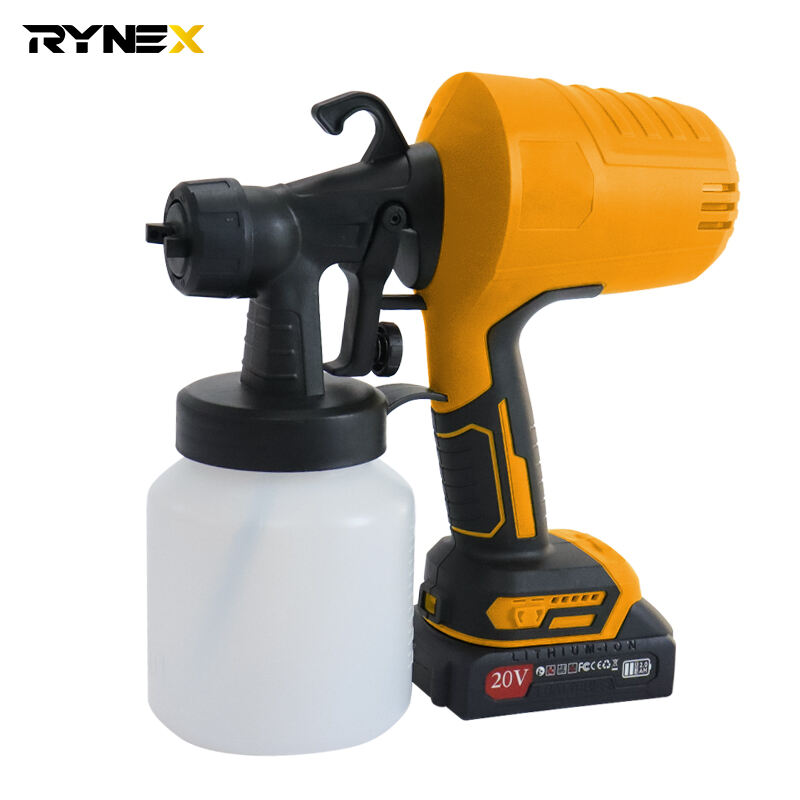
Understanding Spray Gun Components and Their Maintenance Needs
Critical Internal Components
The fluid nozzle represents the heart of any spray gun system, controlling the precise flow of coating materials. This component requires meticulous attention as even microscopic debris can disrupt spray patterns and cause finish defects. The needle valve works in conjunction with the fluid nozzle to regulate material flow, and its sharp tip demands careful handling during cleaning procedures. Air caps and horns direct the atomizing air around the fluid stream, creating the spray pattern essential for professional results.
Internal passages within the spray gun body channel both air and fluid throughout the system. These pathways can accumulate residue from various coating materials, particularly when switching between different paint types or when equipment sits idle for extended periods. Understanding how these components interact helps technicians develop effective maintenance routines that address each element's specific requirements and vulnerability to contamination.
External Components and Wear Points
The trigger mechanism experiences constant use and represents a primary wear point requiring regular inspection and lubrication. Air adjustment controls allow operators to fine-tune spray characteristics, but these threaded components can become seized without proper maintenance. Fluid adjustment screws similarly control material flow rates and need periodic cleaning to maintain smooth operation and precise control.
Connection fittings for air and fluid lines must maintain tight seals to prevent leaks that compromise spray gun performance. O-rings and gaskets throughout the system require replacement at regular intervals, as deteriorated seals lead to pressure loss, material waste, and inconsistent spray patterns. Regular inspection of these external components prevents minor issues from developing into major equipment failures.
Daily Cleaning Procedures for Optimal Performance
Immediate Post-Use Cleaning Protocol
The most critical maintenance step occurs immediately after each use, when coating materials remain fluid and easier to remove. Begin by relieving all pressure from the system and disconnecting air and fluid lines to ensure safe handling. Remove the fluid nozzle and needle assembly carefully, avoiding damage to precision-machined surfaces that affect spray quality.
Flush the spray gun body with appropriate solvent, typically matching the thinner used with your coating material. Water-based materials require different cleaning solvents than solvent-based coatings, and using incorrect cleaners can leave residues that contaminate future applications. Multiple flush cycles ensure complete removal of coating materials from all internal passages.
Detailed Component Cleaning
Each removable component requires individual attention during the cleaning process. Soak the fluid nozzle in solvent to dissolve accumulated material, then use appropriate brushes to remove stubborn deposits. The needle valve needs careful cleaning with soft brushes to avoid scratching its precision surface, which could cause permanent spray pattern defects.
Air caps often accumulate overspray and require thorough cleaning to maintain proper air flow patterns. Use compressed air to blow out passages after solvent cleaning, ensuring no residual material remains in critical airflow channels. Clean all threaded connections and apply appropriate lubricants to prevent seizing and ensure smooth adjustment operation.
Weekly and Periodic Maintenance Requirements
Comprehensive System Inspection
Weekly maintenance routines should include detailed inspection of all seals, gaskets, and O-rings throughout the spray gun system. Look for signs of wear, cracking, or deterioration that could lead to pressure leaks or contamination issues. Replace any questionable seals before they fail completely, as preventive replacement costs significantly less than emergency repairs or rework due to equipment failure.
Examine all adjustment mechanisms for proper operation and smooth movement. Sticky or difficult adjustments often indicate contamination or wear that requires immediate attention. Test trigger operation for consistent feel and proper return action, as trigger problems can affect spray control and operator fatigue during extended use periods.
Lubrication and Calibration
Apply manufacturer-specified lubricants to all moving parts, including trigger mechanisms, needle packings, and adjustment screws. Proper lubrication prevents premature wear and ensures smooth operation throughout the equipment's service life. Use only recommended lubricants, as incompatible products can damage seals or contaminate coating materials.
Calibrate spray patterns and flow rates weekly to maintain consistent application characteristics. Changes in spray performance often indicate developing maintenance issues before they become apparent through visual inspection. Document baseline settings for various coating materials to establish reference points for future adjustments and troubleshooting efforts.
Troubleshooting Common Spray Gun Issues
Pattern and Flow Problems
Irregular spray patterns typically result from contaminated or damaged fluid nozzles, worn needle valves, or blocked air passages. Heavy or light pattern sides indicate asymmetrical air flow, often caused by partially blocked air cap holes or damaged air horns. These issues require immediate attention as they directly impact finish quality and material efficiency.
Excessive material consumption or thin coverage patterns suggest improper pressure settings, worn components, or incorrect nozzle sizing for the application. Systematic troubleshooting involves checking each variable individually to isolate the root cause and implement appropriate corrective measures.
Pressure and Flow Inconsistencies
Fluctuating spray gun pressure often stems from air supply issues, worn regulators, or internal leaks within the spray gun system. Check all connections for tightness and inspect air lines for damage or restrictions that could affect consistent pressure delivery. Internal leaks require immediate repair to prevent material waste and application defects.
Material flow inconsistencies may indicate contaminated fluid passages, worn needle packings, or improper material viscosity for the spray gun configuration. Regular maintenance prevents most flow issues, but addressing problems promptly prevents minor issues from causing major equipment damage or extensive rework requirements.
Storage and Long-Term Care Strategies
Proper Storage Preparation
Extended storage periods require special preparation to prevent component damage and ensure reliable performance when equipment returns to service. Thoroughly clean all coating material from the spray gun system and flush with appropriate preservation fluids recommended by the manufacturer. Remove all water-based materials completely, as freezing can crack internal components and cause permanent damage.
Apply protective coatings to exposed metal surfaces to prevent corrosion during storage periods. Store the spray gun in a clean, dry environment with stable temperatures to minimize condensation and contamination risks. Proper storage preparation extends equipment life and reduces maintenance requirements when returning to active use.
Preventive Component Replacement
Establish replacement schedules for wear items based on usage patterns and manufacturer recommendations rather than waiting for component failure. Proactive replacement of needles, nozzles, and seals prevents unexpected downtime and maintains consistent spray gun performance throughout its service life.
Maintain adequate spare parts inventory for critical components that could cause extended downtime if failures occur during production periods. Document replacement intervals and component performance to optimize maintenance schedules and identify potential design improvements or usage modifications that extend component life.
Safety Considerations During Maintenance
Personal Protection and Workspace Safety
Spray gun maintenance involves exposure to various solvents and cleaning chemicals that require appropriate personal protective equipment. Use chemical-resistant gloves, eye protection, and adequate ventilation when working with cleaning solvents or coating materials. Proper ventilation prevents accumulation of hazardous vapors and maintains safe working conditions throughout maintenance procedures.
Establish designated maintenance areas with appropriate fire safety equipment and spill containment materials. Many spray gun cleaning solvents are flammable and require careful handling to prevent accidents or fires. Train all personnel in proper emergency procedures and ensure emergency equipment remains readily accessible during maintenance operations.
Chemical Handling and Disposal
Follow all local regulations for disposal of used solvents, contaminated materials, and worn components from spray gun maintenance. Many cleaning solvents require special disposal procedures to prevent environmental contamination. Establish relationships with certified waste disposal services to ensure compliance with environmental regulations.
Store cleaning chemicals and solvents in appropriate containers with proper labeling and safety information readily available. Maintain material safety data sheets for all chemicals used in spray gun maintenance and ensure all personnel understand proper handling procedures and emergency response protocols for accidental exposure or spills.
Advanced Maintenance Techniques for Professional Applications
Precision Measurement and Testing
Professional spray gun maintenance requires precise measurement tools to verify component specifications and performance parameters. Use appropriate gauges to check air pressures, flow rates, and spray patterns against manufacturer specifications. Regular testing identifies gradual performance degradation before it affects application quality or productivity.
Implement systematic testing procedures that document spray gun performance over time, creating baseline data for comparison and trend analysis. This approach helps identify optimal maintenance intervals and component replacement schedules based on actual performance data rather than arbitrary time periods.
Specialized Tools and Equipment
Invest in quality cleaning equipment specifically designed for spray gun maintenance, including ultrasonic cleaners for precision components and specialized brushes that won't damage critical surfaces. Professional maintenance tools improve cleaning effectiveness and reduce the time required for thorough maintenance procedures.
Maintain calibrated test equipment for verifying spray gun performance and adjustment accuracy. Regular calibration of test equipment ensures reliable measurements and maintains confidence in maintenance decisions based on performance testing results.
FAQ
How often should I completely disassemble my spray gun for cleaning
Complete disassembly frequency depends on usage intensity and coating materials, but weekly deep cleaning is recommended for daily professional use. Water-based materials may require more frequent attention, while some industrial coatings necessitate immediate complete cleaning after each use. Monitor spray gun performance and adjust maintenance frequency based on actual conditions and performance degradation patterns.
What type of solvent should I use for cleaning different coating materials
Solvent selection should match the thinner recommended for your specific coating material. Water-based coatings typically clean with warm soapy water followed by clean water rinse, while solvent-based materials require appropriate organic solvents. Always consult material safety data sheets and manufacturer recommendations to ensure compatibility and safety during cleaning procedures.
When should I replace spray gun needles and nozzles
Replace these precision components when spray patterns become irregular, material flow becomes inconsistent, or visible wear appears on sealing surfaces. Professional applications may benefit from replacement based on operating hours rather than waiting for performance degradation. Maintain spare components and establish replacement schedules based on your specific usage patterns and quality requirements.
How can I prevent my spray gun from clogging during extended use
Prevent clogging through proper material preparation, including adequate filtering and viscosity adjustment for spray gun specifications. Maintain consistent material flow during use and avoid allowing coating materials to dry in the system between applications. Use appropriate thinners and maintain proper environmental conditions to prevent premature material curing or contamination that leads to system blockages.
Table of Contents
- Understanding Spray Gun Components and Their Maintenance Needs
- Daily Cleaning Procedures for Optimal Performance
- Weekly and Periodic Maintenance Requirements
- Troubleshooting Common Spray Gun Issues
- Storage and Long-Term Care Strategies
- Safety Considerations During Maintenance
- Advanced Maintenance Techniques for Professional Applications
- FAQ
