
 EN
EN
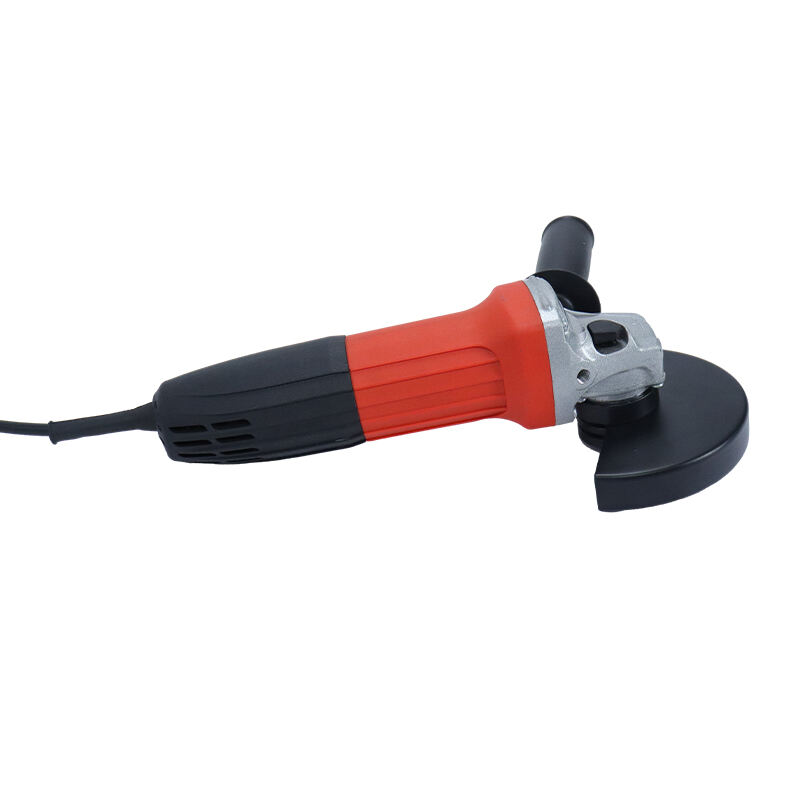
An angle grinder is one of the most versatile and powerful tools in any workshop or construction site, capable of cutting, grinding, and polishing various materials with remarkable efficiency. However, the very power that makes this tool so valuable also makes it potentially dangerous if not used correctly. Understanding proper safety protocols and operational techniques is essential for anyone working with an angle grinder, whether you are a professional tradesperson or a DIY enthusiast. This comprehensive guide will walk you through everything you need to know about safely operating an angle grinder while maximizing its effectiveness for your projects.

Essential Safety Equipment and Personal Protection
Eye and Face Protection Requirements
When operating an angle grinder, proper eye and face protection is absolutely critical due to the high-speed rotation of the disc and the potential for sparks and debris to fly in all directions. Safety glasses alone are insufficient for angle grinder work, as they do not provide adequate coverage against the volume of particles generated during operation. A full face shield should always be worn in conjunction with safety glasses to create a double layer of protection for your eyes and face.
The face shield should be made of polycarbonate material with a minimum thickness of 2mm to withstand impact from metal fragments and sparks. Additionally, ensure that your safety glasses have side shields and are rated for impact resistance according to ANSI Z87.1 standards. Many experienced operators prefer wraparound safety glasses that provide better peripheral protection while maintaining clear vision of the work area.
Respiratory Protection and Hearing Safety
Dust and particles generated by angle grinder operations can pose serious respiratory health risks, particularly when working with materials like concrete, masonry, or metal that produce fine particulates. A properly fitted N95 dust mask is the minimum level of respiratory protection, but for extended use or when working with hazardous materials, a P100 respirator or powered air-purifying respirator may be necessary to ensure adequate protection.
The high-pitched whining sound produced by an angle grinder during operation can cause permanent hearing damage with prolonged exposure. Always wear hearing protection rated for at least 25 decibels of noise reduction, whether in the form of foam earplugs or over-ear hearing protectors. Some operators prefer electronic hearing protection that allows normal conversation while automatically blocking harmful noise levels.
Proper Tool Setup and Disc Selection
Understanding Disc Types and Applications
Selecting the appropriate disc for your angle grinder is crucial for both safety and effectiveness, as using the wrong type of disc can result in dangerous failures or poor cutting performance. Cutting discs are designed specifically for making straight cuts through materials and should never be used for grinding applications, as the side loading can cause the disc to shatter. These discs are typically thin, ranging from 1mm to 3mm in thickness, and are available in different compositions for cutting metal, masonry, or other specialized materials.
Grinding discs, on the other hand, are thicker and designed to withstand the lateral forces involved in surface grinding and material removal. Flap discs combine cutting and finishing capabilities, featuring overlapping abrasive flaps that provide aggressive material removal while leaving a smoother finish. Wire brushes and cup brushes are excellent for rust removal and surface preparation, while diamond blades offer superior performance when cutting through concrete, tile, or stone materials.
Correct Installation and Guard Positioning
Before installing any disc on your angle grinder, always ensure the tool is unplugged or the battery is removed to prevent accidental startup. The disc must be properly seated against the inner flange and secured with the outer flange and locking nut, tightened firmly but not overtightened, as this can cause stress concentrations that may lead to disc failure. Always use the spanner wrench provided with the tool and engage the spindle lock properly during installation.
The adjustable guard is one of the most important safety features of an angle grinder and must be positioned correctly for each operation. The guard should be adjusted so that it is positioned between the operator and the disc, providing maximum protection from sparks and debris while allowing clear visibility of the work area. Never operate an angle grinder with the guard removed, as this eliminates a critical safety barrier and significantly increases the risk of injury.
Safe Operating Techniques and Best Practices
Proper Grip and Stance
Maintaining proper control of your angle grinder begins with establishing the correct grip and stance before starting the tool. Always use both hands when operating an angle grinder, with one hand on the main handle and the other on the auxiliary side handle. The auxiliary handle should be installed on the side of the tool that provides the most comfortable and secure grip for your specific application and hand dominance.
Your stance should be stable and balanced, with feet positioned shoulder-width apart and your body positioned to the side of the cutting line rather than directly behind it. This positioning helps protect you from sparks and debris while providing better leverage and control. Keep a firm grip on the tool throughout the operation, as the gyroscopic forces and potential for kickback require constant control to maintain safe operation.
Controlling Tool Movement and Pressure
When using an angle grinder for cutting operations, allow the disc to reach full operating speed before making contact with the material. Apply steady, moderate pressure and let the tool do the work rather than forcing it through the material. Excessive pressure can cause the disc to bind, overheat, or break, while insufficient pressure will result in inefficient cutting and premature disc wear.
For grinding operations, use smooth, consistent movements across the surface, overlapping each pass slightly to ensure even material removal. Avoid dwelling in one spot for extended periods, as this can cause gouging or overheating of both the material and the disc. When approaching the end of a cut, reduce pressure slightly to prevent the disc from binding or causing the material to break away unexpectedly.
Common Hazards and Prevention Strategies
Kickback Prevention and Response
Kickback is one of the most dangerous situations that can occur when operating an angle grinder, typically happening when the disc binds in the cut or contacts the material at an incorrect angle. To prevent kickback, never force the tool through the material and avoid cutting in a way that allows the disc to become pinched or twisted. Always maintain a firm grip on the tool and be prepared to respond quickly if kickback occurs.
If you experience kickback, do not fight against the tool but rather allow it to move in the direction it wants to go while maintaining control and immediately releasing the trigger. Position yourself and plan your cuts so that if kickback does occur, the tool will move away from your body and other people in the work area. Never attempt to stop a spinning disc with your hands or body, and always wait for the disc to come to a complete stop before setting the tool down.
Fire Prevention and Spark Management
The sparks generated by angle grinder operations can reach temperatures of over 2000 degrees Fahrenheit and travel significant distances, making fire prevention a critical safety consideration. Before beginning work, remove all flammable materials from the immediate area, including paper, cardboard, wood shavings, and fuel containers. Have a suitable fire extinguisher readily available and ensure that someone knows your work location and schedule.
When working in environments where sparks could ignite accumulated dust or vapors, use appropriate ventilation and consider using spark-arrestor shields to contain the sparks to a smaller area. Be particularly cautious when working near gas lines, fuel tanks, or in areas where flammable vapors may be present. After completing your work, inspect the area thoroughly for any smoldering materials and monitor the workspace for at least 30 minutes to ensure no fires have started.
Maintenance and Tool Longevity
Regular Inspection and Care
Proper maintenance of your angle grinder is essential for safe operation and optimal performance throughout the tool's service life. Before each use, inspect the power cord or battery connections for damage, check that all guards and handles are securely attached, and verify that the disc is properly installed and shows no signs of cracking or excessive wear. Any damaged components should be replaced immediately before using the tool.
Keep the tool clean by blowing out dust and debris from the motor housing and ventilation ports after each use, as accumulated material can cause overheating and premature motor failure. Store your angle grinder in a clean, dry location and remove the disc if the tool will not be used for extended periods. Regular lubrication of gear mechanisms, where applicable, will help maintain smooth operation and extend the tool's service life.
Storage and Transportation Safety
When transporting an angle grinder, always ensure that it is turned off and the disc has come to a complete stop before moving the tool. Remove the disc if transporting the tool in a vehicle or storing it where it might be subject to impact or vibration that could damage the disc. Use the original carrying case or a dedicated tool bag to protect the angle grinder during transport and storage.
Store discs in their original packaging or in a dedicated disc storage system that protects them from moisture and physical damage. Never store discs in areas subject to extreme temperature fluctuations or high humidity, as these conditions can compromise the bonding agents in the disc and lead to premature failure during use.
FAQ
What is the most important safety rule when using an angle grinder
The most important safety rule is to always wear proper personal protective equipment, including safety glasses, a face shield, hearing protection, and respiratory protection appropriate for your specific application. Additionally, never remove or bypass the tool's safety guard, as it provides critical protection from sparks, debris, and disc fragments. Always ensure the tool is properly maintained and use only discs that are rated for your specific angle grinder model and operating speed.
How do I know when to replace an angle grinder disc
Replace an angle grinder disc when it shows any signs of cracking, chipping, or excessive wear that reduces its diameter below the minimum size marked on the disc. Also replace discs that have been dropped or subjected to impact, as internal damage may not be visible but can cause catastrophic failure during operation. For cutting discs, replace them when they become too thin to cut effectively or when the cutting performance significantly degrades.
Can I use an angle grinder for wet cutting applications
Only use an angle grinder for wet cutting if it is specifically designed for wet operation and you are using appropriate wet-cutting discs. Most standard angle grinders are not designed for wet use and can present serious electrical hazards if exposed to water. When wet cutting is necessary, use a dedicated wet-cutting angle grinder with proper ground fault circuit interruptor protection and follow all manufacturer guidelines for wet operation procedures.
What should I do if my angle grinder disc breaks during operation
If a disc breaks during operation, immediately release the trigger and allow the motor to stop completely before assessing the situation. Do not attempt to remove broken disc fragments while the tool is still spinning. Once the tool has stopped, disconnect power and carefully remove any remaining disc fragments using appropriate tools, never your hands. Inspect the tool for any damage that may have been caused by the disc failure before installing a new disc and resuming work.
