
 EN
EN
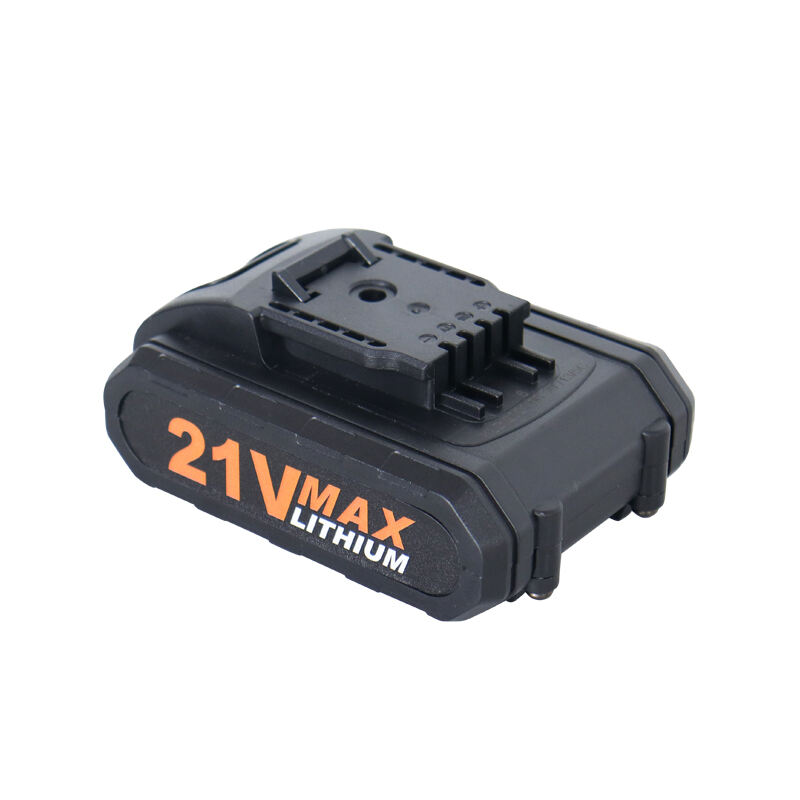
Selecting the right cordless drill can significantly impact your project outcomes, whether you're a professional contractor or a weekend DIY enthusiast. The market offers countless options, from lightweight models designed for occasional home use to heavy-duty professional units built to withstand daily jobsite demands. Understanding the key differences between professional and home-grade cordless drills helps ensure you invest in the right tool for your specific needs. This comprehensive guide examines the critical factors that distinguish professional cordless drills from their consumer counterparts, helping you make an informed purchasing decision.

Understanding Professional Grade Cordless Drills
Construction Quality and Durability
Professional cordless drills feature robust construction designed to withstand harsh working conditions and frequent use. These tools typically incorporate metal gear housings, reinforced motor mounts, and impact-resistant housing materials that protect internal components from jobsite abuse. The superior build quality extends to every component, from the chuck mechanism to the battery connection points, ensuring reliable performance under demanding conditions. Professional models often undergo rigorous testing protocols that simulate years of heavy use, validating their ability to maintain precision and power over extended periods.
The internal components of professional cordless drills utilize premium materials and manufacturing processes that justify their higher price point. Ball bearings replace bushings in critical rotating assemblies, reducing friction and extending operational life. Heat-treated steel gears provide superior strength and wear resistance compared to the plastic or soft metal alternatives found in consumer models. These engineering improvements translate to measurably longer tool life and reduced maintenance requirements in professional applications.
Power and Performance Specifications
Professional cordless drills deliver significantly higher torque output and sustained power compared to home-grade alternatives. Most professional models generate between 500 to 1,200 inch-pounds of torque, enabling them to handle large fasteners, tough materials, and continuous operation without performance degradation. The motor systems in these units feature advanced winding techniques and premium copper components that maximize efficiency while minimizing heat generation during extended use periods.
Battery technology represents another critical performance differentiator in professional cordless drill systems. Professional models typically utilize high-capacity lithium-ion cells with advanced battery management systems that monitor temperature, voltage, and current draw to optimize performance and longevity. These sophisticated power systems enable longer runtime between charges and faster charging cycles, minimizing downtime on busy jobsites where productivity directly impacts profitability.
Home User Cordless Drill Characteristics
Design Focus and Target Applications
Home-grade cordless drill models prioritize user-friendly features and cost-effectiveness over maximum durability and power output. These tools typically feature lighter weight construction and ergonomic designs that reduce user fatigue during occasional use projects around the home. The engineering focus emphasizes ease of operation, with intuitive controls and safety features that make them accessible to users with varying skill levels and experience working with power tools.
Consumer cordless drills excel in applications involving lighter materials and smaller fasteners commonly encountered in household projects. These tools perform admirably when drilling holes in wood, drywall, or soft metals, and driving screws for furniture assembly, picture hanging, or basic repairs. The moderate power output and torque characteristics suit these applications perfectly while maintaining reasonable cost and weight parameters that appeal to occasional users.
Cost Considerations and Value Proposition
The pricing structure of home cordless drills reflects their target market and intended use frequency. Manufacturers achieve lower retail prices through strategic material choices, simplified manufacturing processes, and reduced testing requirements compared to professional models. This approach makes quality cordless drill technology accessible to consumers who need reliable performance for periodic projects without the premium cost associated with commercial-grade construction.
Value-oriented cordless drill packages often include multiple accessories, such as bit sets, carrying cases, and spare batteries, enhancing their appeal to home users who appreciate comprehensive solutions. These bundled offerings provide everything needed to complete common household projects while maintaining attractive price points that compete effectively with similar consumer products in the home improvement market.
Power and Torque Comparison Analysis
Torque Output Differences
The torque specifications between professional and consumer cordless drills reveal significant performance gaps that directly impact their respective capabilities. Professional models typically generate maximum torque values ranging from 600 to 1,200 inch-pounds, while consumer versions generally produce between 200 to 400 inch-pounds of maximum torque. This substantial difference translates to markedly different drilling and fastening capabilities, particularly when working with dense materials or large diameter fasteners.
Professional cordless drill torque delivery systems incorporate multiple clutch settings that provide precise control over power application. These sophisticated mechanisms prevent over-driving fasteners while enabling users to maximize power when needed for challenging applications. The clutch systems in professional models typically offer 15 to 25 distinct torque settings, compared to the 10 to 15 settings commonly found in consumer cordless drill models.
Motor Technology and Efficiency
Brushless motor technology represents a key differentiator between professional and consumer cordless drill categories. Professional models increasingly utilize brushless motors that eliminate physical contact between carbon brushes and the rotor, reducing wear and increasing efficiency by up to 25 percent compared to traditional brushed designs. This technology improvement translates to longer runtime, reduced maintenance requirements, and extended tool life that justifies the higher initial investment for professional users.
The motor control systems in professional cordless drills feature advanced electronic circuits that monitor performance parameters and adjust power delivery to optimize efficiency and protect components from damage. These intelligent systems can detect binding conditions, material density changes, and overheating situations, automatically modifying operation to prevent tool damage while maintaining productivity levels that professional users demand.
Battery Life and Charging Systems
Battery Capacity and Runtime
Professional cordless drill battery systems typically utilize higher capacity cells ranging from 4.0 to 9.0 ampere-hours, compared to the 1.5 to 3.0 ampere-hour batteries commonly included with consumer models. This capacity difference directly translates to substantially longer runtime between charging cycles, enabling professional users to complete more work without interruption. The high-capacity batteries also maintain voltage levels more consistently under load, ensuring consistent cordless drill performance throughout the discharge cycle.
Advanced battery chemistry and construction techniques in professional cordless drill systems provide superior performance in extreme temperature conditions and extended storage periods. Professional batteries often incorporate individual cell monitoring and balancing circuits that maximize overall pack life while preventing premature capacity loss due to uneven cell aging. These sophisticated power management systems represent significant engineering investments that contribute to the higher cost of professional cordless drill packages.
Charging Technology and Convenience
Professional cordless drill charging systems feature rapid charging capabilities that minimize downtime and maximize productivity for users who depend on their tools for income generation. Fast chargers designed for professional batteries can typically restore 80 percent capacity in 30 to 60 minutes, compared to the 2 to 4 hour charging times required by standard consumer chargers. Some professional systems incorporate cooling fans and advanced charging algorithms that optimize cell chemistry reactions for maximum life and performance.
The charging infrastructure for professional cordless drill systems often includes multiple battery compatibility within manufacturer ecosystems, enabling users to power various tools with interchangeable battery packs. This standardization reduces total investment costs and simplifies inventory management for professional contractors who utilize multiple cordless tools from the same manufacturer. Consumer cordless drill systems may offer limited cross-compatibility, restricting their flexibility in multi-tool applications.
Build Quality and Construction Materials
Housing and Component Materials
Professional cordless drill construction utilizes premium materials selected for their durability and performance characteristics under demanding conditions. The housing typically incorporates impact-resistant polymer blends or metal components that protect internal mechanisms from damage due to drops, impacts, or exposure to harsh environmental conditions. These materials often feature UV resistance and chemical compatibility that prevents degradation when exposed to common jobsite substances like oils, solvents, or cleaning agents.
Internal component quality represents another significant difference between professional and consumer cordless drill categories. Professional models utilize metal gear trains, precision-machined components, and high-grade bearing systems that maintain accuracy and smooth operation throughout extended service lives. The attention to internal build quality ensures consistent performance and reduces the likelihood of premature failure that could disrupt professional workflows or project schedules.
Sealing and Environmental Protection
Environmental sealing systems in professional cordless drills provide protection against dust, moisture, and debris ingestion that commonly occurs in construction and industrial environments. These protective measures include sealed switches, gasket-protected battery connections, and internal barriers that prevent contamination of critical components. The sealing systems maintain performance reliability while extending service intervals and reducing maintenance requirements for professional users.
Professional cordless drill models often carry IP ratings that quantify their resistance to water and dust ingress, providing users with objective measures of environmental protection capabilities. Consumer models may lack these certifications, indicating less rigorous environmental protection that suits their intended indoor and occasional outdoor applications. The enhanced protection in professional cordless drill designs enables reliable operation in challenging conditions that would compromise consumer-grade alternatives.
Ergonomics and User Experience
Weight Distribution and Handling
Professional cordless drill designs prioritize balanced weight distribution and ergonomic grip configurations that reduce user fatigue during extended operation periods. The handle geometry and weight placement take into account the repetitive motions and varied working positions that characterize professional applications. Soft-grip materials and contoured surfaces provide secure handling even when wearing work gloves or operating in wet conditions commonly encountered on construction sites.
Consumer cordless drill models emphasize lightweight construction and compact dimensions that appeal to occasional users who prioritize easy handling over maximum power and durability. These design choices result in tools that feel comfortable for short-duration projects but may lack the substantial feel and balanced handling characteristics that professional users prefer for extended work sessions. The ergonomic compromises necessary to achieve lower weight and cost targets may impact comfort during intensive use periods.
Control Systems and User Interface
The control interfaces on professional cordless drills feature larger, more accessible switches and adjustment mechanisms that accommodate operation while wearing gloves or in poor lighting conditions. Variable speed triggers provide precise control over drilling and driving speeds, while mode selection switches offer clear tactile feedback and positive positioning that prevents accidental setting changes during operation. These user interface improvements enhance productivity and safety in professional applications where efficiency and control directly impact project outcomes.
Advanced cordless drill models may incorporate electronic controls with digital displays that provide real-time feedback on battery status, selected torque settings, and operational parameters. These sophisticated interfaces enable users to optimize tool performance for specific applications while monitoring system status to prevent damage or unexpected failures. Consumer models typically utilize simpler mechanical controls that reduce complexity and cost while providing adequate functionality for occasional use applications.
Price Range and Value Analysis
Initial Investment Considerations
Professional cordless drill systems typically require initial investments ranging from 200 to 800 dollars, depending on features, battery capacity, and included accessories. This substantial price difference compared to consumer models reflects the premium materials, advanced manufacturing processes, and extensive testing that ensure reliable performance in demanding applications. The higher initial cost represents a significant barrier for casual users but provides excellent value for professionals whose productivity and income depend on tool reliability and performance.
Consumer cordless drill packages generally retail between 50 to 200 dollars, making them accessible to budget-conscious homeowners and occasional users. These attractive price points reflect manufacturing economies achieved through simplified designs, standard materials, and streamlined production processes. While the lower cost makes cordless drill technology available to broader markets, the value proposition assumes limited use frequency and less demanding application requirements than professional scenarios.
Long-term Cost of Ownership
The total cost of ownership for professional cordless drills often proves more economical than consumer alternatives when evaluated over extended periods and intensive use patterns. Professional models typically provide longer service lives, require fewer repairs, and maintain performance characteristics longer than consumer alternatives. The reduced downtime, replacement frequency, and repair costs can offset the higher initial investment for users who depend on their tools for regular income generation.
Professional cordless drill systems often include comprehensive warranty coverage and manufacturer support services that protect the investment and ensure rapid resolution of any performance issues. These support systems recognize the critical role that reliable tools play in professional workflows and provide assurance that tool failures will not significantly impact project schedules or profitability. Consumer cordless drill warranties typically offer more limited coverage periods and may exclude commercial use applications entirely.
FAQ
How long do professional cordless drill batteries typically last compared to consumer models
Professional cordless drill batteries generally provide 2-3 times longer runtime per charge compared to consumer models due to their higher capacity cells and advanced power management systems. Professional batteries typically last 3-5 years with regular use, while consumer batteries may need replacement after 1-2 years. The superior cell quality and battery management systems in professional units also maintain capacity better over time, providing more consistent performance throughout their service life.
Can consumer cordless drills handle occasional heavy-duty tasks
Consumer cordless drills can handle occasional heavy-duty tasks but may experience reduced lifespan and performance issues if used frequently for demanding applications. While they can drill through hardwood or drive large screws occasionally, sustained use in challenging materials will accelerate wear and may cause overheating or component failure. For occasional heavy tasks, allowing cooling periods between intensive operations and avoiding prolonged high-torque applications will help preserve the tool's longevity.
What maintenance differences exist between professional and consumer cordless drill models
Professional cordless drills typically require less frequent maintenance due to their superior construction and sealed components, though they may need periodic professional service for optimal performance. Consumer models may require more frequent cleaning and basic maintenance but often lack serviceable internal components. Professional units usually feature replaceable brushes, serviceable gears, and comprehensive parts availability, while consumer cordless drill models are often designed as disposable units with limited repair options.
Are professional cordless drill features worth the extra cost for serious DIY enthusiasts
Serious DIY enthusiasts who undertake frequent projects involving challenging materials or require consistent performance may find professional cordless drill features justify the additional investment. The enhanced durability, longer battery life, and superior power output provide tangible benefits for ambitious home improvement projects. However, occasional users or those working primarily with soft materials may find consumer-grade cordless drill models provide adequate performance at more reasonable cost levels for their specific applications.
Table of Contents
- Understanding Professional Grade Cordless Drills
- Home User Cordless Drill Characteristics
- Power and Torque Comparison Analysis
- Battery Life and Charging Systems
- Build Quality and Construction Materials
- Ergonomics and User Experience
- Price Range and Value Analysis
-
FAQ
- How long do professional cordless drill batteries typically last compared to consumer models
- Can consumer cordless drills handle occasional heavy-duty tasks
- What maintenance differences exist between professional and consumer cordless drill models
- Are professional cordless drill features worth the extra cost for serious DIY enthusiasts
