
 EN
EN
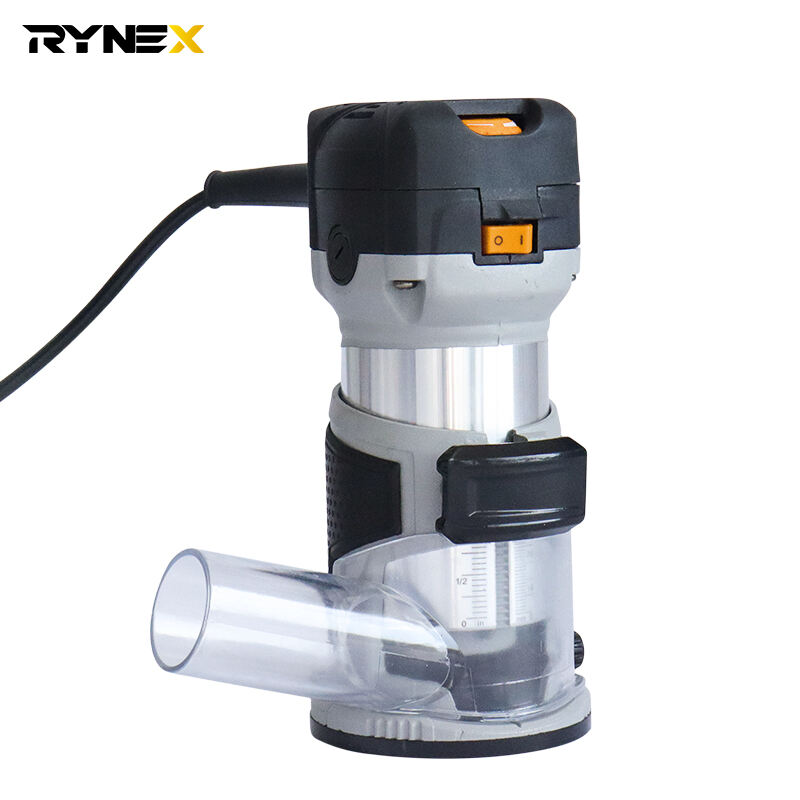
Mastering the art of woodworking requires understanding the essential tools that shape raw lumber into beautiful finished pieces. A wood planer stands as one of the most fundamental instruments in any serious woodworker's arsenal, transforming rough boards into smooth, precisely dimensioned material ready for your next project. Whether you're a seasoned craftsman or just beginning your woodworking journey, learning proper wood planer techniques will elevate the quality of your work and expand your creative possibilities.
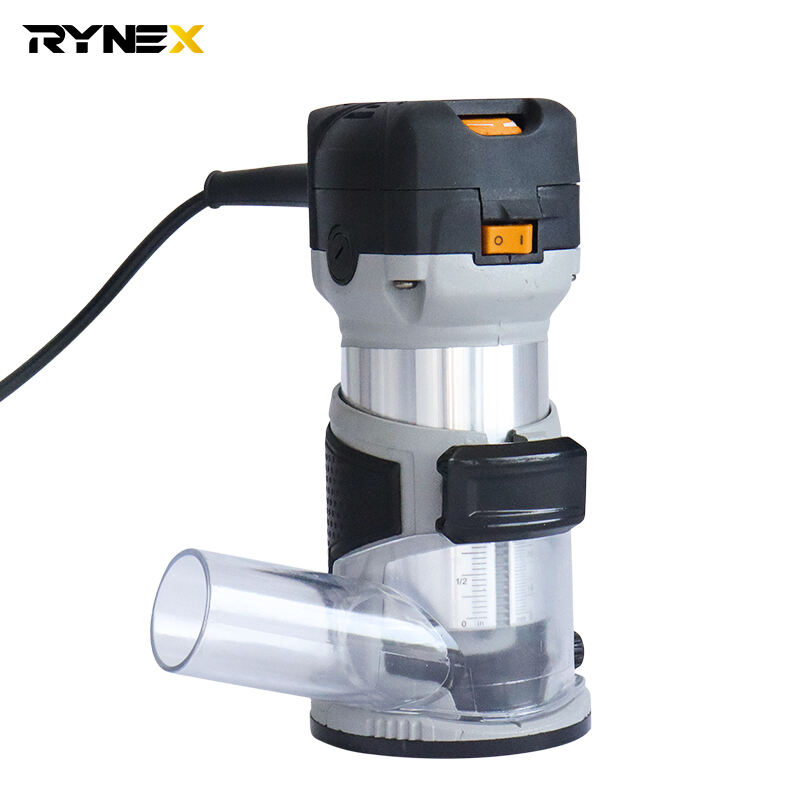
Professional woodworkers rely on planers to achieve consistent thickness across boards, eliminate surface imperfections, and create the smooth finish that distinguishes amateur work from professional craftsmanship. The process involves much more than simply feeding wood through the machine; it requires understanding grain direction, proper setup techniques, and safety protocols that protect both the operator and the workpiece.
Understanding Wood Planer Fundamentals
Types of Wood Planers Available
Benchtop planers offer portability and convenience for smaller workshops, typically handling boards up to 12 or 13 inches wide. These units excel in hobbyist applications and provide excellent results for furniture making and general woodworking projects. Their compact design makes them ideal for workshops with limited space while still delivering professional-quality surface preparation.
Stationary planers represent the heavy-duty option for serious woodworkers and commercial operations. These machines accommodate wider boards, often up to 20 inches or more, and feature more powerful motors that handle hardwoods with ease. The increased weight and stability of stationary units result in smoother operation and superior finish quality, making them the preferred choice for high-volume work.
Key Components and Their Functions
The cutterhead contains multiple knives that rotate at high speed to slice thin shavings from the wood surface. Modern planers often feature helical cutterheads with carbide inserts, which produce cleaner cuts and reduce tearout compared to traditional straight knives. Understanding how these cutting elements work helps operators make informed decisions about feed rates and cutting depths.
Feed rollers grip the workpiece and move it through the cutting area at a controlled rate. The infeed roller pulls the board into the cutterhead, while the outfeed roller maintains consistent movement as the wood exits the machine. Proper roller pressure ensures smooth operation and prevents snipe, the common problem where the ends of boards receive deeper cuts than the middle sections.
Essential Preparation Techniques
Wood Selection and Conditioning
Moisture content significantly impacts planing results, with the ideal range falling between 6 and 12 percent for most species. Wood that contains too much moisture tends to compress rather than cut cleanly, while overly dry lumber becomes brittle and prone to chipping. Using a moisture meter before planing prevents many common problems and ensures consistent results across different board selections.
Grain direction assessment prevents tearout and produces the smoothest possible surface. Feeding boards with the grain rather than against it reduces the likelihood of chip-out and creates cleaner cuts. Visual inspection reveals grain patterns, but experienced woodworkers also rely on tactile methods, running their hands along the board edges to determine the optimal feed direction.
Machine Setup and Calibration
Knife alignment determines the quality of the finished surface, requiring precise adjustment to achieve optimal results. Each knife must sit at exactly the same height relative to the cutterhead, with even the slightest variation creating visible ridges or gouges in the wood surface. Professional setup involves using dial indicators or specialized jigs to ensure perfect alignment across the entire knife width.
Table adjustment affects both safety and cut quality, with proper height settings preventing kickback and ensuring smooth material flow. The infeed table should sit slightly below the cutterhead centerline, while the outfeed table aligns precisely with the cutting circle. These adjustments require patience and precision, but they form the foundation for consistent, professional results.
Operational Best Practices
Proper Feed Techniques
Consistent feed pressure produces even thickness across the entire board length, avoiding the variations that create problems in subsequent operations. Excessive downward pressure can compress the wood fiber and create rebounds when the pressure releases, while insufficient pressure allows the board to lift slightly and creates dimensional inconsistencies. The goal involves maintaining steady, moderate pressure that keeps the workpiece flat against the table throughout the cut.
Multiple light passes deliver superior results compared to aggressive single cuts, particularly when removing significant material. Taking cuts of 1/32 inch or less on each pass reduces strain on the motor, minimizes tearout, and produces smoother surfaces that require less sanding. This approach also extends knife life and reduces the heat buildup that can cause burn marks on the wood surface.
Depth of Cut Optimization
Material thickness determines the maximum safe cutting depth, with thicker boards generally accommodating deeper cuts without problems. Thin stock requires extremely light passes to prevent chatter and breakage, while thick hardwood boards can handle more aggressive removal rates. Understanding these relationships helps operators balance efficiency with quality, achieving the desired results in minimum time.
Wood species characteristics influence optimal cutting parameters, with hardwoods typically requiring lighter cuts than softwoods. Dense species like maple or oak demand more conservative approaches, while softer woods like pine or cedar can handle slightly more aggressive cuts. However, softwoods also tend to compress more easily, requiring sharp knives and proper technique to avoid crushing the surface fibers.
Advanced Techniques for Professional Results
Dealing with Difficult Grain Patterns
Figured woods present unique challenges that require modified techniques to preserve their distinctive appearance. Burled, quilted, or bird's-eye patterns contain irregular grain directions that make tearout nearly inevitable with standard approaches. Success with these materials often involves extremely shallow cuts, sometimes as light as 1/64 inch per pass, combined with the sharpest possible knives.
Reversing grain direction within a single board demands careful attention and sometimes requires creative solutions. Some boards exhibit grain that runs one direction on one end and the opposite direction on the other end, making it impossible to feed the entire length with the grain. In these situations, experienced woodworkers may choose to crosscut the board at the grain transition point and process each section separately.
Managing Snipe and Surface Defects
Snipe prevention involves understanding the mechanical forces that create these unwanted deep cuts at board ends. The problem typically occurs when the board transitions from being supported by both infeed and outfeed tables to being supported by only one table. Supporting the board ends with auxiliary tables or roller stands helps maintain consistent height throughout the cutting process.
Surface defects often result from dull knives, improper setup, or inappropriate feed rates rather than inherent limitations of the wood planer itself. Burn marks indicate excessive cutting speed or dull blades, while chatter marks suggest insufficient support or excessive cutting depth. Systematic diagnosis of these problems leads to targeted solutions that improve both efficiency and surface quality.
Safety Protocols and Maintenance
Essential Safety Measures
Eye and ear protection represent non-negotiable safety requirements when operating any planing equipment. Wood chips and dust particles can cause serious eye injuries, while the high-decibel noise levels typical of planer operation can damage hearing over time. Quality safety glasses and hearing protection should become automatic equipment before starting any planing session.
Proper body positioning keeps operators clear of potential kickback zones while maintaining control over the workpiece. Standing to one side of the board path rather than directly behind the planer provides protection if the wood binds and gets ejected backward. Maintaining firm grip on the workpiece while avoiding excessive force helps guide the material through the machine without creating dangerous situations.
Regular Maintenance Requirements
Knife sharpening schedules depend on usage intensity and the types of wood being processed, but most operators benefit from professional sharpening every 20 to 40 hours of operation. Abrasive woods like teak or those containing silica deposits will dull blades more quickly than clean hardwoods. Recognizing the signs of dull knives, including increased tearout and burn marks, helps determine optimal sharpening intervals.
Dust collection maintenance ensures both safety and machine longevity, preventing the accumulation of fine particles that can interfere with mechanical components. Regular cleaning of dust ports and collection systems maintains optimal airflow and reduces fire hazards associated with fine wood dust. Additionally, clean machines operate more efficiently and produce better surface finishes.
Troubleshooting Common Issues
Addressing Feed Problems
Boards that refuse to feed properly through the planer often indicate roller pressure issues or debris accumulation on the feed mechanism. Insufficient roller pressure fails to grip the workpiece adequately, while excessive pressure can compress the wood and create feeding resistance. Adjusting roller pressure according to wood species and thickness resolves most feeding difficulties.
Workpiece binding within the planer creates dangerous situations that require immediate attention and proper response. When boards stick or jam during the cutting process, the first response should always involve turning off the machine and waiting for complete stop before attempting to clear the jam. Forcing bound material can damage both the workpiece and the machine while creating serious safety hazards.
Surface Quality Improvements
Ridges and gouges in the finished surface typically trace back to knife problems, either dull blades or improper alignment. Individual knives that sit higher than others create raised ridges, while damaged knife edges produce gouges or scratches. Systematic inspection of knife condition and alignment usually reveals the source of surface quality problems.
Inconsistent thickness across board width suggests table alignment issues or worn components within the depth adjustment mechanism. These problems require more extensive diagnosis and may need professional service to correct properly. However, understanding the symptoms helps operators recognize when professional attention becomes necessary rather than continuing to struggle with substandard results.
FAQ
What is the maximum depth of cut recommended for a single pass
The maximum recommended depth varies by wood species and board thickness, but generally ranges from 1/32 to 1/16 inch for most applications. Hardwoods and thin stock require lighter cuts, while softwoods and thicker material can handle slightly more aggressive removal. Taking multiple light passes always produces superior results compared to heavy single cuts, reducing tearout and extending blade life while creating smoother surfaces that require minimal sanding.
How do I prevent snipe at the ends of my boards
Snipe prevention involves supporting the workpiece consistently throughout the entire cutting process. Use auxiliary infeed and outfeed tables or roller stands to maintain board position as it transitions through the planer. Additionally, feeding multiple boards end-to-end without gaps helps stabilize each piece during the critical transition periods when snipe typically occurs.
When should I replace or sharpen my planer knives
Replace or sharpen knives when you notice increased tearout, burn marks, or difficulty achieving smooth surfaces despite proper technique. Visual inspection revealing nicks, chips, or obvious dulling also indicates the need for attention. Most hobbyist applications require sharpening every 20-40 hours of use, while commercial operations may need more frequent service depending on wood species and cutting volume.
Can I plane wood that contains knots or defects
Planning wood with knots requires extra caution and modified techniques, but it remains possible with proper approach. Take extremely light cuts around knot areas and expect some tearout around loose or dead knots. Sound, tight knots usually plane acceptably, while loose knots may fall out during the process. Consider hand-planing or alternative surface preparation methods for heavily defected lumber to achieve the best results.
