
 EN
EN
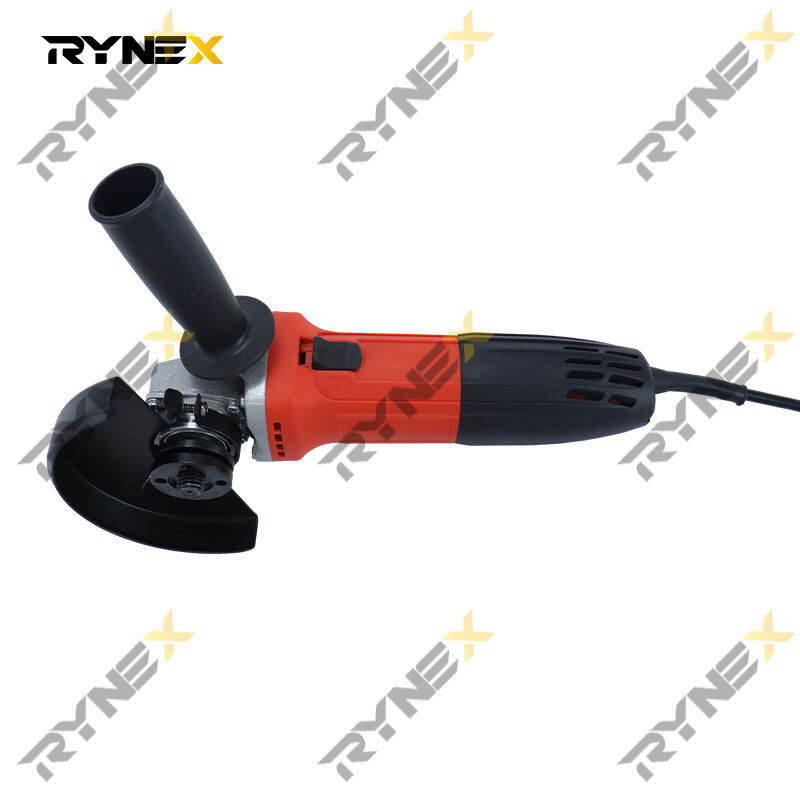
Modern metalworking operations demand power tools that combine mobility with industrial-grade performance, and the cordless angle grinder has emerged as a transformative solution for professionals who refuse to compromise between portability and cutting power. Understanding the engineering principles behind torque generation, battery management systems, and integrated safety mechanisms is essential for metalworking professionals seeking to maximize productivity while maintaining compliance with occupational safety standards. This comprehensive guide examines the technical foundations that distinguish professional-grade cordless angle grinder systems from consumer alternatives, providing actionable insights for equipment selection and operational optimization.
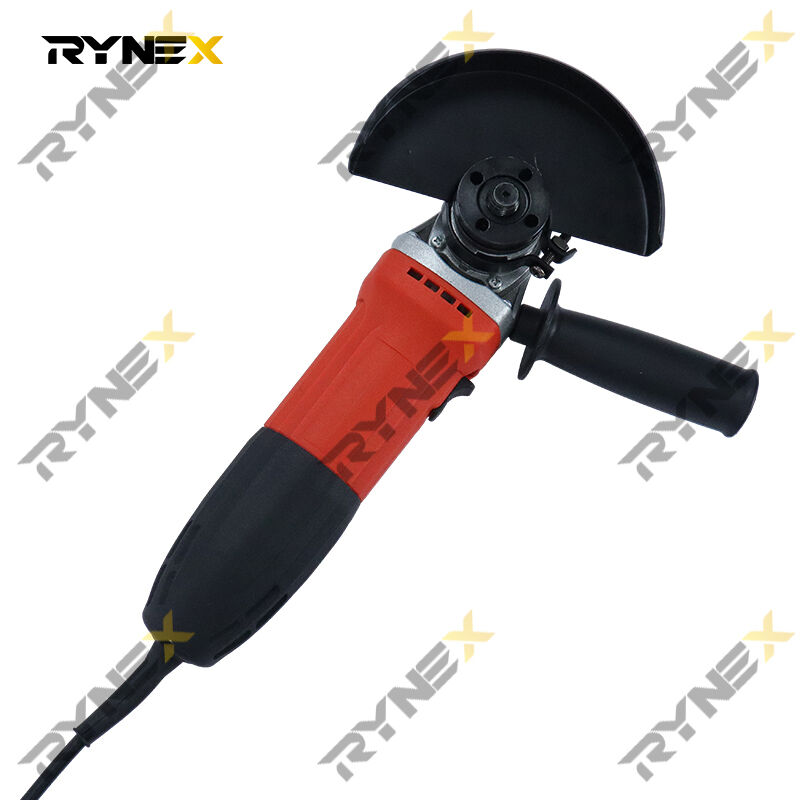
The evolution from corded to cordless configurations represents more than simple cable elimination—it reflects fundamental advances in brushless motor design, lithium-ion cell chemistry, and power electronics that enable sustained high-torque operation without thermal degradation. Professional metalworkers now face critical engineering decisions regarding motor topology, battery platform compatibility, and safety feature integration that directly impact operational efficiency, tool longevity, and workplace safety outcomes. This guide deconstructs these technical domains to equip professionals with the knowledge necessary to specify, operate, and maintain cordless angle grinder systems that meet the demanding requirements of modern fabrication, construction, and maintenance applications.
Engineering Fundamentals of Torque Generation in Cordless Angle Grinder Systems
Brushless Motor Architecture and Power Delivery Characteristics
The transition to brushless motor technology represents the most significant engineering advancement in cordless angle grinder performance over the past decade. Unlike traditional brushed motors that rely on mechanical commutation through carbon brushes contacting a rotating armature, brushless designs employ electronic commutation controlled by sophisticated microprocessor-based drive circuits. This architectural shift eliminates friction losses inherent in brush contact, reduces maintenance requirements by removing wear components, and enables precise electronic control of torque delivery across the operational speed range. Professional-grade cordless angle grinder models utilize three-phase brushless motors with trapezoidal or sinusoidal back-EMF characteristics, allowing continuous torque adjustment based on load conditions detected through current sensing algorithms.
The stator windings in high-performance brushless motors are configured for maximum copper fill factor, typically achieving slot fill ratios exceeding seventy percent through precision winding techniques and optimized wire gauge selection. This maximizes the magnetic field strength generated per unit volume, directly translating to higher torque density—a critical parameter for handheld tools where weight and ergonomics constrain motor dimensions. Rotor assemblies employ high-energy neodymium-iron-boron permanent magnets arranged in surface-mount or interior configurations depending on the desired speed-torque profile. Surface-mount designs offer simpler construction and higher peak torque at lower speeds, making them suitable for heavy grinding applications, while interior magnet rotors provide extended constant-power regions beneficial for sustained cutting operations at higher disc speeds.
Gear Train Design and Torque Multiplication Strategies
Between the motor output shaft and the spindle that drives the abrasive disc, professional cordless angle grinder systems incorporate precision-engineered gear trains that multiply motor torque while reducing rotational speed to optimal disc operating velocities. Most configurations employ single-stage helical or spiral bevel gear sets with ratios typically ranging from three-to-one to five-to-one, balancing torque amplification against mechanical efficiency losses and acoustic signature. Helical gear designs offer quieter operation through gradual tooth engagement and can handle higher continuous loads, but require thrust bearing arrangements to manage axial forces generated by the helix angle. Spiral bevel configurations enable compact right-angle drive assemblies essential for the traditional angle grinder form factor while maintaining smooth power transmission.
Material selection for gear components directly impacts durability under the shock loads and thermal cycling characteristic of metalworking applications. High-performance cordless angle grinder models specify case-hardened alloy steels with surface hardness exceeding sixty Rockwell C scale, achieved through carburizing or carbonitriding heat treatment processes that create a wear-resistant surface layer while maintaining a tough, ductile core. Precision grinding of gear tooth profiles to tolerances under twenty microns ensures optimal load distribution across the contact pattern, minimizing localized stress concentrations that could initiate fatigue failures. Synthetic lubricants formulated with extreme-pressure additives and high-temperature stability maintain viscosity across the operating temperature range from ambient conditions to sustained operating temperatures approaching one hundred fifty degrees Celsius encountered during extended grinding sessions.
Load Sensing and Adaptive Torque Management Systems
Advanced cordless angle grinder platforms integrate electronic load sensing that continuously monitors motor current draw, providing real-time feedback on cutting load magnitude. This data feeds sophisticated control algorithms that dynamically adjust power delivery to maintain constant disc speed under varying load conditions, preventing the performance degradation and potential kickback scenarios that occur when disc speed drops significantly under heavy loading. By measuring the phase current waveforms at frequencies exceeding twenty kilohertz, microcontroller-based drive systems can distinguish between normal cutting loads and abnormal conditions such as disc binding or workpiece pinching that require immediate protective response.
Professional-grade systems implement multi-mode torque management strategies selectable by the operator for different application requirements. Standard mode prioritizes battery runtime by limiting peak power draw during light to moderate cutting tasks, while maintaining adequate reserve capacity for intermittent heavy loads. Boost or maximum performance modes remove these conservative power limits, enabling the cordless angle grinder to sustain peak torque output equivalent to comparable corded models, though at the expense of accelerated battery depletion. Some advanced implementations incorporate automatic mode switching that analyzes recent load history patterns and predictively adjusts power delivery parameters to optimize the balance between performance and runtime based on the detected application profile.
Battery Technology and Energy Management for Extended Operation
Lithium-Ion Cell Chemistry and High-Discharge Performance
The demanding power requirements of professional cordless angle grinder operation necessitate battery systems capable of sustaining discharge currents exceeding twenty amperes while maintaining voltage stability across the discharge cycle. Modern battery platforms employ lithium-ion cell chemistries specifically optimized for high-rate discharge applications, with cylindrical or prismatic cell formats featuring advanced cathode materials such as lithium nickel manganese cobalt oxide formulations that balance energy density with power delivery capability. The internal resistance of individual cells represents a critical specification, as lower resistance values enable higher current flow with reduced internal heating—a primary factor limiting continuous discharge performance.
Professional battery packs for cordless angle grinder applications typically configure cells in series-parallel arrangements that achieve nominal voltages ranging from eighteen to twenty-four volts while providing capacity ratings between three and six ampere-hours. A common configuration employs ten high-capacity cells arranged in a five-series, two-parallel topology, delivering twenty-one volts nominal with capacity determined by the individual cell rating. This arrangement ensures sufficient voltage for efficient motor operation while the parallel paths reduce current stress on individual cells during peak power demands. Welded nickel or copper interconnects between cells must exhibit resistance under one milliohm to minimize voltage drops and power losses during high-current discharge events characteristic of heavy grinding applications.
Battery Management Systems and Thermal Protection
Sophisticated battery management systems integrated into professional cordless angle grinder battery packs monitor critical parameters including individual cell voltages, pack current flow, and internal temperature at multiple locations throughout the cell array. Microcontroller-based management circuits continuously verify that all cells remain within safe operating windows, implementing protective disconnection if any parameter exceeds established thresholds that could compromise safety or accelerate degradation. Cell voltage monitoring during both charge and discharge cycles ensures balanced energy distribution across the series-connected groups, preventing situations where individual cells experience overcharge or excessive depth of discharge that would reduce cycle life.
Thermal management represents a particularly critical function given the substantial heat generation during sustained high-power discharge. Battery management systems incorporate multiple temperature sensors positioned to detect hotspots within the cell array, implementing power limiting or complete shutdown if temperatures approach safety thresholds typically set around sixty degrees Celsius for cell surface temperature. Some advanced battery platforms integrate active thermal management through heat-pipe technology or phase-change materials that absorb thermal energy during discharge pulses and dissipate it during rest periods, extending the duration of sustained high-power operation possible before thermal limits force power reduction.
Charge Protocols and Battery Longevity Optimization
The charging infrastructure supporting professional cordless angle grinder operation employs multi-stage charge protocols optimized to minimize cycle time while preserving long-term battery capacity retention. Fast chargers capable of replenishing depleted battery packs in under one hour utilize constant-current charging at rates approaching two times the pack capacity rating during the bulk charge phase, then transition to constant-voltage mode as cells approach full charge, gradually reducing current flow until termination criteria are met. This CC-CV protocol balances rapid energy replenishment against the accelerated degradation that occurs with sustained high-rate charging throughout the entire cycle.
Advanced charging systems implement temperature-compensated charge termination that adjusts voltage and current thresholds based on measured battery temperature, accounting for the temperature dependence of optimal charge parameters. Cold batteries receive reduced charge currents and modified termination voltages to prevent lithium plating on anode surfaces—a degradation mechanism that reduces capacity and poses safety risks. Conversely, warm batteries benefit from adjusted parameters that prevent overcharge while maximizing charge acceptance. Professional cordless angle grinder operators can extend battery service life significantly by implementing conditioning protocols that periodically perform full discharge-charge cycles to recalibrate battery management system state-of-charge estimates and allow cell balancing circuits adequate time to equalize individual cell voltages.
Integrated Safety Systems and Compliance with Industrial Standards
Electronic Kickback Prevention and Sudden-Stop Protection
Kickback events—where the rotating disc suddenly binds in the workpiece causing violent reactive motion of the tool—represent among the most serious hazards in cordless angle grinder operation. Advanced safety systems address this through continuous monitoring of motor acceleration and rotation patterns that indicate binding conditions. When sensor algorithms detect the rapid deceleration signature characteristic of disc pinching, electronic control systems immediately interrupt power delivery and activate dynamic braking that applies reverse torque to halt spindle rotation within milliseconds. This rapid response prevents the momentum transfer to the tool body that would otherwise result in uncontrolled motion potentially injuring the operator.
The detection algorithms distinguish between normal load variations during cutting operations and the distinctive acceleration profile of kickback initiation by analyzing the rate of change in motor speed rather than absolute speed values. Threshold parameters are calibrated during development through extensive testing across diverse binding scenarios to minimize false triggering during legitimate heavy cutting while maintaining sensitivity to genuine hazard conditions. Some professional cordless angle grinder implementations incorporate additional gyroscopic sensors that detect abnormal tool body motion, providing redundant verification of kickback conditions before initiating protective shutdown to further reduce false activation while maintaining safety effectiveness.
Operator Presence Detection and Restart Inhibition
Professional safety standards increasingly require dead-man switching functionality that ensures the cordless angle grinder cannot operate unless the operator maintains deliberate activation of control interfaces. Paddle-style switches positioned to require continuous hand pressure implement this requirement mechanically, automatically deactivating the tool if the operator loses grip. Electronic implementations enhance this basic functionality by preventing restart after power interruption until the operator releases and re-engages the trigger, eliminating the hazard scenario where the tool unexpectedly activates when power is restored after battery reinstallation or momentary disconnection during a kickback event.
Advanced cordless angle grinder designs incorporate multi-step activation sequences requiring deliberate operator actions before the motor can start, preventing accidental activation from inadvertent trigger contact during handling or transport. Two-stage triggers requiring initial partial depression to enable the control system followed by full depression to initiate motor rotation provide one implementation approach. Alternative designs employ separate unlock buttons positioned to require simultaneous activation with the main trigger using two hands or distinct finger positions, ensuring the operator has established proper grip and body positioning before the tool becomes operational. These multi-factor activation systems significantly reduce incidents resulting from unintended tool operation while adding minimal complexity to normal work procedures.
Compliance Framework for Industrial Metalworking Environments
Cordless angle grinder systems deployed in professional metalworking operations must satisfy regulatory requirements established by occupational safety authorities and industry standards organizations. In North America, compliance with standards published by organizations such as the American National Standards Institute and the Canadian Standards Association ensures tools meet baseline safety performance criteria covering aspects including electrical insulation, mechanical strength, guard effectiveness, and vibration exposure limits. European markets require conformity with directives governing machinery safety and electromagnetic compatibility, demonstrated through CE marking following assessment against harmonized standards specific to portable grinding equipment.
Beyond regulatory compliance, professional metalworking facilities increasingly specify cordless angle grinder models certified to voluntary consensus standards that demonstrate enhanced safety performance. Third-party testing and certification programs verify proper implementation of kickback protection systems, validate electronic safety circuit reliability through environmental stress testing, and confirm that operational vibration levels remain within daily exposure limits defined by hand-arm vibration syndrome prevention guidelines. Documentation accompanying certified tools provides the technical data necessary for facility safety managers to conduct job hazard analyses, establish appropriate personal protective equipment requirements, and develop operator training programs that address tool-specific hazards and control measure implementation.
Application-Specific Optimization for Metalworking Operations
Material Removal Rate Maximization in Fabrication Contexts
Effective deployment of cordless angle grinder technology in fabrication environments requires matching tool specifications to predominant material removal tasks. Heavy stock removal from thick-section structural steel demands maximum sustained torque delivery at disc speeds optimized for aggressive grinding wheels, typically requiring motor systems capable of maintaining twelve thousand watts input power during extended cuts. The thermal management capabilities of both the motor assembly and battery system become limiting factors, as continuous high-power operation generates heat that must be dissipated to prevent protective thermal shutdowns that interrupt productivity.
Professional operators optimize material removal rates through strategic disc selection matched to both workpiece material and cordless angle grinder performance characteristics. For ferritic steels, aluminum oxide abrasive discs with coarse grit designations provide aggressive cutting action appropriate for weld seam grinding and edge preparation. The open coat structure of depressed-center grinding wheels facilitates swarf evacuation that maintains cutting efficiency as the abrasive wears, while the disc geometry allows grinding into corners and along edges inaccessible to flat face wheels. For applications involving stainless steel or other materials prone to work hardening, specialized abrasive formulations incorporating zirconia alumina or ceramic aluminum oxide grains maintain sharpness through self-fracturing mechanisms that expose fresh cutting edges as the abrasive wears.
Precision Cutting and Controlled Depth Operations
Beyond aggressive stock removal, cordless angle grinder systems serve critical roles in precision cutting operations requiring controlled depth and trajectory. Installing thin cutting wheels—typically one to two millimeters thickness for metal applications—transforms the tool into a portable cut-off saw capable of sectioning structural members, plate stock, and tubular sections with minimal kerf width and reduced heat input compared to plasma or flame cutting alternatives. The precision cutting application places distinct demands on tool characteristics, prioritizing smooth operation free from vibration that would deflect the thin wheel and accurate depth control systems that limit cut penetration.
Some professional cordless angle grinder models incorporate adjustable depth guides that mount to the tool housing and reference against the workpiece surface, mechanically limiting wheel penetration to preset values repeatable across multiple cuts. This functionality proves particularly valuable for controlled scoring operations where partial-depth cuts establish fold lines in sheet metal or create expansion relief in concrete overlaying metal substrates without severing the underlying structure. Electronic depth control implementations employ position sensors monitoring wheel advance combined with automatic feed speed reduction as the target depth approaches, enabling consistent results while reducing the skill level required for precision work.
Surface Finishing and Coating Removal Applications
The versatility of cordless angle grinder platforms extends to surface finishing operations employing specialized abrasive products engineered for controlled material removal and surface texture development. Flap discs—consisting of overlapping abrasive cloth flaps bonded to a backing plate—provide conformable contact that produces consistent surface finishes on irregular profiles while the progressive wear of individual flaps maintains relatively constant cutting action throughout the disc life. Professional operators select flap disc grit progression from coarse forty-grit for heavy stock removal through fine one-hundred-twenty-grit for final finishing, often working through multiple grit stages to achieve specified surface roughness values measured in micrometers Ra.
Coating removal represents another critical application where cordless angle grinder mobility advantages enable efficient processing of large structures and installed equipment. Wire wheel attachments with crimped or knotted wire configurations remove paint, rust, and mill scale through mechanical action while the cordless configuration eliminates the cord management challenges particularly problematic when working around structural frameworks or on elevated platforms. The selection between crimped wire wheels offering lighter cleaning action with reduced workpiece gouging risk versus aggressive knotted wire cups providing maximum removal rate for heavy corrosion depends on substrate condition and subsequent coating system requirements. Professional cordless angle grinder systems maintain consistent wire engagement pressure through electronic speed governing that compensates for loading, ensuring uniform surface preparation critical for coating adhesion performance.
Maintenance Protocols and Service Life Extension Strategies
Scheduled Inspection and Component Condition Monitoring
Maintaining optimal performance and safety compliance from professional cordless angle grinder equipment requires structured inspection protocols addressing both mechanical and electrical system integrity. Daily pre-use inspections should verify guard security and positioning, spindle lock functionality, switch operation including proper startup and stopping response, and battery connection integrity. These rapid checks conducted before each work shift identify obvious defects or damage that could compromise safe operation, enabling removal of defective tools from service before incidents occur.
More detailed periodic inspections conducted monthly or after specified operating hour intervals should examine mechanical components subject to wear including spindle bearings, gear train condition, and housing integrity. Bearing assessment involves manual rotation of the spindle with power disconnected, verifying smooth rotation without roughness, catching, or excessive radial play that indicates wear requiring bearing replacement. Gear wear assessment requires partial disassembly to visually examine tooth surfaces for pitting, scoring, or abnormal wear patterns, with proactive gear set replacement before tooth breakage occurs preventing secondary damage to housing and other components from debris generation.
Battery System Maintenance and Capacity Retention
Professional battery systems supporting cordless angle grinder operation require maintenance protocols addressing both the battery packs and charging infrastructure. Battery terminal cleaning removes oxidation and contamination that increases contact resistance, generating heat during high-current discharge and reducing available power. Periodic inspection should identify physical damage to pack housings that could compromise internal component protection or indicate impact events potentially damaging internal cell connections or battery management system circuitry.
Long-term capacity retention benefits from storage protocols that maintain batteries at partial charge states rather than fully charged or depleted conditions. Research into lithium-ion degradation mechanisms demonstrates that storage at forty to sixty percent state of charge minimizes the calendar aging processes that gradually reduce capacity even without use. For batteries in active rotation, implementing practices that avoid complete discharge cycles unless necessary for battery management system recalibration reduces the stress on cell materials. Professional operations maintaining multiple battery sets should implement rotation strategies ensuring all packs receive similar usage patterns, preventing situations where some batteries experience premature capacity loss while others retain superior performance.
Motor System Service and Thermal Management Maintenance
The brushless motor systems in professional cordless angle grinder tools generally require minimal maintenance compared to brushed motor predecessors, but attention to thermal management remains critical for sustained performance. Cooling air pathways directing ambient air across motor windings and through the housing must remain unobstructed for effective heat dissipation. Periodic cleaning removes accumulated grinding dust and metal particles from intake vents and internal passages using compressed air, with particular attention to preventing debris accumulation on motor surfaces where it would act as thermal insulation reducing heat transfer effectiveness.
Stator winding insulation condition can be assessed through periodic insulation resistance testing using megohm meters applying test voltages between windings and grounded motor housing. Significant reduction from baseline resistance values indicates insulation degradation potentially resulting from thermal stress, contamination ingress, or moisture exposure. While this testing requires specialized equipment and some disassembly, it provides early warning of developing failures before catastrophic short circuits occur. Professional service centers supporting fleet cordless angle grinder operations should establish baseline insulation resistance values for new tools and track degradation trends through periodic measurements, enabling predictive maintenance scheduling that removes tools approaching critical thresholds before field failures occur.
FAQ
What minimum battery capacity should professionals specify for sustained cordless angle grinder operation in demanding metalworking applications?
Professional metalworking applications requiring sustained cordless angle grinder operation benefit from battery systems providing minimum capacity ratings of five ampere-hours when paired with standard twenty-volt class platforms. This capacity level enables approximately fifteen to twenty minutes of continuous heavy grinding or thirty to forty minutes of intermittent cutting operations before requiring battery exchange. Operations involving extended work sessions should implement multi-battery rotation strategies with three to four packs per tool, allowing depleted batteries adequate cooling time before recharging while maintaining continuous tool availability. Higher-capacity six ampere-hour batteries offer extended runtime but add significant weight affecting tool handling characteristics, requiring operators to balance runtime requirements against ergonomic considerations for the specific application context.
How do electronic kickback protection systems affect overall cordless angle grinder performance and operator technique requirements?
Electronic kickback protection systems provide substantial safety improvements without significantly compromising normal cutting performance when properly calibrated. The detection algorithms monitor rotation parameters at high frequency sufficient to distinguish kickback initiation signatures from normal load variations during aggressive cutting, preventing false triggering that would interrupt legitimate work. Operators should understand that protection activation indicates a genuine binding condition requiring technique adjustment—either reduced feed pressure, corrected cutting angle, or workpiece repositioning—rather than a system malfunction. The protective shutdown followed by restart inhibition necessitates deliberate trigger release and re-engagement, adding approximately two to three seconds to recovery time compared to tools without this safety feature. This minor productivity impact is insignificant compared to the injury prevention benefits and reduced equipment damage from uncontrolled kickback events.
What factors determine the practical service life expectancy for professional-grade cordless angle grinder systems under typical industrial use patterns?
Professional cordless angle grinder service life depends primarily on mechanical component wear rates rather than electronic system failures when tools receive appropriate maintenance. Spindle bearing assemblies typically require replacement after three hundred to five hundred operating hours depending on application severity and maintenance quality, with contamination ingress from inadequate seal protection accelerating wear significantly. Gear train components generally outlast bearings by factors of two to three when properly lubricated, with replacement intervals around one thousand operating hours common for intensively used tools. Battery systems represent consumable components with capacity degradation becoming operationally significant after five hundred to eight hundred charge cycles, corresponding to approximately two to three years service life under typical professional usage patterns. Tool housings and motor assemblies often remain serviceable beyond these component replacement cycles, enabling extended economic life through planned component replacement rather than complete tool disposal.
How should professionals evaluate the trade-offs between cordless angle grinder mobility advantages and the sustained power delivery capabilities of comparable corded models?
The decision between cordless angle grinder and corded alternatives should be driven by systematic analysis of operational requirements rather than categorical preferences. Cordless platforms provide decisive advantages in applications involving elevated work positions, extensive operator movement between dispersed work locations, or environments where electrical infrastructure is limited or creates hazardous conditions such as wet locations or areas with combustible atmospheres. Modern high-performance cordless angle grinder systems equipped with appropriate battery capacity can match the sustained power output of equivalently sized corded models during typical work cycles where grinding operations alternate with workpiece positioning and measurement activities allowing battery thermal recovery. However, applications requiring truly continuous high-power operation exceeding ten to fifteen minutes without interruption still favor corded tools due to unlimited runtime and absence of thermal derating. Professional operations should maintain both cordless and corded tool inventories, deploying each technology in applications where its strengths provide maximum operational advantage.
Table of Contents
- Engineering Fundamentals of Torque Generation in Cordless Angle Grinder Systems
- Battery Technology and Energy Management for Extended Operation
- Integrated Safety Systems and Compliance with Industrial Standards
- Application-Specific Optimization for Metalworking Operations
- Maintenance Protocols and Service Life Extension Strategies
-
FAQ
- What minimum battery capacity should professionals specify for sustained cordless angle grinder operation in demanding metalworking applications?
- How do electronic kickback protection systems affect overall cordless angle grinder performance and operator technique requirements?
- What factors determine the practical service life expectancy for professional-grade cordless angle grinder systems under typical industrial use patterns?
- How should professionals evaluate the trade-offs between cordless angle grinder mobility advantages and the sustained power delivery capabilities of comparable corded models?
