
 EN
EN
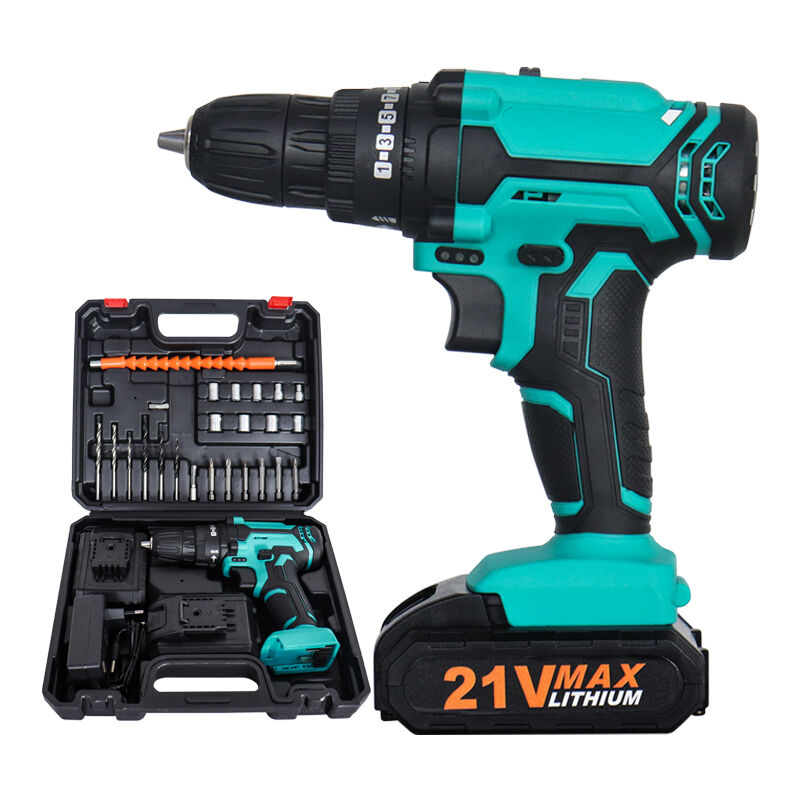
Choosing the right impact drill in 2025 means navigating a market that has grown significantly in both variety and capability. Whether you are a seasoned contractor, a workshop professional, or a serious DIY enthusiast, the performance difference between a well-matched impact drill and a poorly chosen one can affect project timelines, material integrity, and overall work quality. This article is designed to give you the honest, technical guidance you need before making a purchase decision.
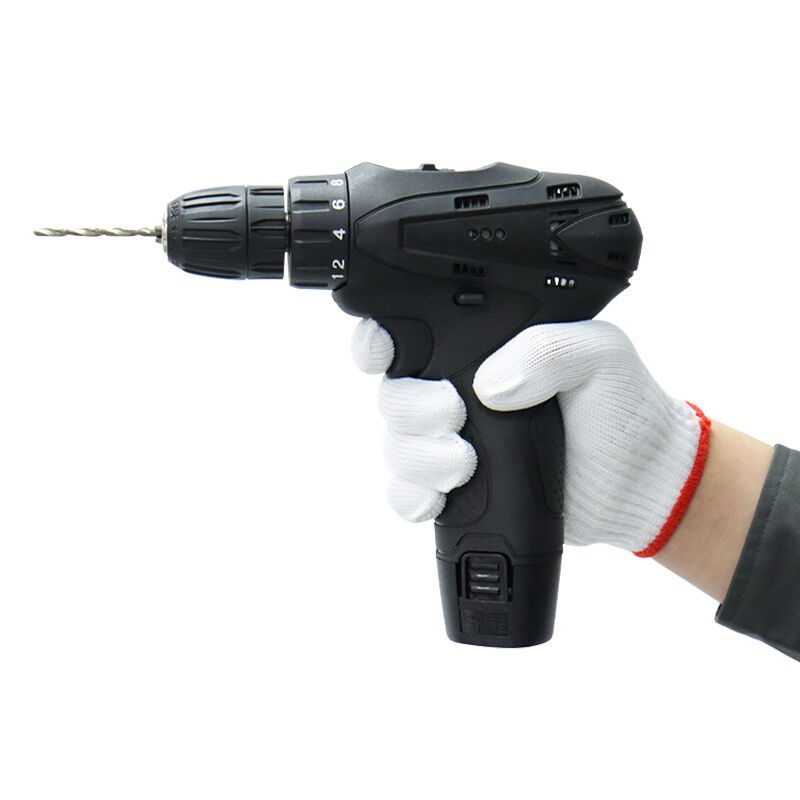
The 2025 lineup of impact drill models reflects advances in motor efficiency, battery technology, ergonomic design, and smart torque control. Rather than simply ranking models by brand prestige, this review focuses on the criteria that actually matter in real-world use: power output, chuck precision, vibration control, and application suitability. Understanding these factors will help you identify which impact drill genuinely fits your workload and environment.
Understanding What an Impact Drill Does Differently
The Mechanism Behind Impact Drilling
An impact drill combines rotational force with rapid axial hammering action, which is what sets it apart from a standard rotary drill. As the chuck rotates, an internal cam mechanism delivers percussive blows along the drill axis at high frequency. This hammering effect allows the impact drill to break through masonry, concrete, brick, and other hard materials that would stall or damage a conventional drill motor.
The hammering mechanism is typically measured in blows per minute (BPM), which can range from around 15,000 BPM in entry-level corded models to over 50,000 BPM in high-performance professional units. A higher BPM does not automatically translate to better performance unless it is paired with adequate torque and a quality chuck. Understanding this balance is essential when comparing impact drill specifications side by side.
This dual-action capability makes the impact drill one of the most versatile tools in any construction or renovation toolkit. It handles tasks that would otherwise require a dedicated rotary hammer, particularly in light-duty masonry applications. For professionals who need a single tool to cover multiple substrates, the impact drill remains a practical and cost-effective choice.
Impact Drill vs. Hammer Drill vs. Rotary Hammer
Many buyers confuse the impact drill with a hammer drill or a rotary hammer, and the distinction matters when selecting the right tool for a task. An impact drill typically uses a keyless chuck and delivers relatively moderate impact energy, making it ideal for wood, metal, and light masonry. A rotary hammer, by contrast, uses an SDS chuck system and delivers far more powerful impacts via a piston mechanism, making it suited for heavy concrete and demolition work.
A hammer drill sits between these two categories, sharing the chuck-based design of the impact drill but generally offering slightly more impact force. However, in common trade usage, the terms 'impact drill' and 'hammer drill' are often used interchangeably, and most models sold under either label share a fundamentally similar operating principle. The key is always to verify the actual BPM, torque rating, and chuck size when evaluating a specific model.
For users who primarily work on concrete structures, a rotary hammer will outperform even the best impact drill in that specific scenario. But for professionals who split their work between timber framing, metal fabrication, and occasional brick drilling, the impact drill strikes the best balance between versatility and portability.
Key Specifications to Evaluate in 2025 Models
Motor Power and Torque Output
In corded impact drill models, motor power is expressed in watts or amps and typically ranges from 500W to over 1,200W in professional-grade units. Higher wattage generally supports sustained performance under load, which is critical when drilling repeated holes in dense substrates. For cordless variants, brushless motor technology has become the standard in 2025, offering better energy efficiency and longer motor lifespan compared to older brushed designs.
Torque output, measured in Newton-meters (Nm), determines how much rotational force the impact drill can apply during operation. Entry-level impact drill models typically deliver between 20 Nm and 40 Nm, while professional models can reach 60 Nm or higher. When drilling larger-diameter holes or driving masonry anchors, higher torque becomes especially important to prevent bit slippage and motor overheating.
It is worth noting that peak torque figures listed in specifications are often measured under ideal conditions, not sustained load conditions. When comparing models, look for reviews and test data that report real-world torque under continuous use, as this gives a more reliable picture of how the impact drill will perform across a full working day.
Chuck Size and Bit Compatibility
The chuck size of an impact drill determines what diameter drill bits and driver accessories can be used. The most common chuck size for impact drills is 13mm (approximately half an inch), which accommodates the vast majority of masonry bits, twist bits, and spade bits available on the market. Some compact models use a 10mm chuck, which limits bit selection but reduces the overall tool weight and head length.
Keyless chucks, which are standard on virtually all modern impact drill models, allow for tool-free bit changes and maintain adequate clamping force for most applications. However, keyless chucks in budget-tier models can develop play over time, leading to bit wobble and reduced hole accuracy. Higher-end models feature metal-body keyless chucks with tighter tolerances that hold up better under repeated heavy use.
Bit compatibility also extends to driver bits when the impact drill is used in a screwdriving mode. Many 2025 models include multiple speed settings and a dedicated screwdriving mode with adjustable clutch, which helps prevent overtightening and stripped fasteners. This versatility adds practical value for tradespeople who need a single tool to handle both drilling and fastening tasks on site.
Speed Settings and Variable Control
Modern impact drill designs in 2025 feature two-speed gearboxes that allow the user to switch between a high-torque low-speed setting and a high-speed low-torque setting. Low-speed settings are ideal for drilling large-diameter holes in masonry, while high-speed settings work better for smaller bits in wood or metal. Variable-speed triggers add another layer of control, allowing the operator to modulate drilling speed with finger pressure for precise starting and slow-speed applications.
Electronic speed control, available in mid-range and premium impact drill models, maintains consistent RPM under varying load conditions. This prevents the motor from surging when transitioning between softer and harder material layers, which is particularly useful when drilling through mixed construction materials. Without electronic speed control, the operator must manually compensate for load changes, which increases fatigue and reduces accuracy.
Corded vs. Cordless Impact Drill Performance in 2025
Advantages of Corded Impact Drill Models
Corded impact drill models continue to hold a meaningful place in professional workflows in 2025, particularly for sustained heavy-duty applications. Because they draw power directly from the mains, corded models deliver consistent torque and BPM without the performance degradation that occurs as a battery depletes. For drilling hundreds of anchor points in a concrete wall, or running an impact drill for multiple hours on a construction site with power access, a corded model eliminates battery management entirely.
Corded models also tend to offer more power per dollar than their cordless equivalents. A 1,100W corded impact drill in the mid-price range will typically outperform a similarly priced cordless model in raw drilling speed and sustained torque. For workshop settings and fixed jobsite environments, the corded impact drill remains a highly practical and economical choice.
The primary limitation of a corded impact drill is mobility. Cable management on active job sites requires attention, and working in locations without power access requires a generator. Despite this constraint, many professionals maintain at least one corded impact drill in their toolkit specifically for heavy applications where battery endurance would otherwise be a concern.
Cordless Impact Drill Technology Advances
The cordless impact drill category has seen the most dramatic improvements heading into 2025. Lithium-ion battery platforms now commonly offer 18V to 20V packs with capacities of 4Ah to 6Ah, delivering runtime that can sustain a full day of moderate-use drilling between charges. Fast-charging technology has also reduced downtime, with many systems achieving 80% charge in under 30 minutes.
Brushless motor technology is now the default in quality cordless impact drill models, replacing the older brushed motors that required periodic maintenance and generated more heat. Brushless designs extend motor life, reduce weight, and improve efficiency, translating more battery energy into drilling performance rather than heat loss. For trade professionals who rely on a cordless impact drill as their primary tool, brushless technology is now a non-negotiable feature.
Battery platform compatibility has also become a key purchasing factor. Many professionals invest in a single battery platform that spans multiple tools, meaning the cordless impact drill they choose should ideally share batteries with their circular saw, jigsaw, and other cordless equipment. This reduces the total cost of ownership and simplifies battery management across a complete tool inventory.
Practical Application Scenarios for the Impact Drill
Construction and Structural Work
In construction environments, the impact drill is primarily used for drilling anchor holes in concrete block, brick walls, and mortar joints. Setting mechanical anchors for shelving, handrails, electrical conduit supports, and structural brackets all require an impact drill capable of maintaining consistent speed and torque through dense material. Models with depth stop attachments are especially useful here, ensuring consistent hole depth across multiple identical anchor points.
Framing and timber work also benefit from an impact drill when pre-drilling bolt holes or driving large screws into structural lumber. The combination of rotation and impact prevents bit binding in dense hardwoods, reducing operator fatigue over extended work sessions. For contractors who move between masonry and timber applications throughout the day, a dual-mode impact drill with a switchable hammer function offers the most flexibility.
Renovation, Tiling, and Interior Fit-Out
Renovation projects frequently involve drilling into existing walls that may include layers of plaster, brick, and concrete block, each presenting different resistance. An impact drill with adjustable BPM settings handles these transitions smoothly, allowing the operator to reduce impact force when drilling through plaster to avoid surface cracking, then increase it when hitting the masonry substrate beneath.
Tiling and fit-out work often require the impact drill to be used in rotation-only mode for drilling ceramic or porcelain tiles without cracking them. Most quality impact drill models include a mode selector that disables the hammer function, turning the tool into a standard rotary drill. This dual-mode capability makes the impact drill the preferred choice for renovation teams who need to adapt quickly to different materials throughout a project.
FAQ
What is the difference between an impact drill and an impact driver?
An impact drill delivers both rotational force and axial hammering action, making it suitable for drilling into masonry as well as driving fasteners. An impact driver, by contrast, delivers rotational impact in the horizontal plane and is optimized for driving screws and bolts rather than drilling holes. The two tools serve overlapping but distinct purposes, and choosing between them depends on whether drilling into hard substrates is a primary task.
Can an impact drill be used without the hammer function activated?
Yes, virtually all modern impact drill models include a mode selector that allows the hammer function to be turned off. In rotation-only mode, the impact drill operates as a standard drill suitable for wood, metal, and delicate surfaces like ceramic tiles where impact force would cause cracking. Always verify that the specific model you are considering includes this mode selector before purchasing.
How do I choose between a corded and cordless impact drill for professional use?
The choice depends primarily on your work environment and the intensity of drilling tasks. If you work on a fixed job site with reliable power access and require sustained high-power output for hours at a time, a corded impact drill offers better value and consistent performance. If mobility, multi-location work, or working in areas without power access are priorities, a quality brushless cordless impact drill with a high-capacity battery platform is the more practical investment.
What BPM should I look for in an impact drill for concrete work?
For light masonry work such as drilling into brick or concrete block for anchor points, an impact drill with a BPM rating of 30,000 to 45,000 is generally sufficient. For denser or thicker concrete, a higher BPM paired with adequate torque will improve drilling speed and reduce bit wear. However, for heavy reinforced concrete or repeated deep-hole drilling, a dedicated rotary hammer with an SDS chuck system will outperform even the best impact drill in that specific application.
