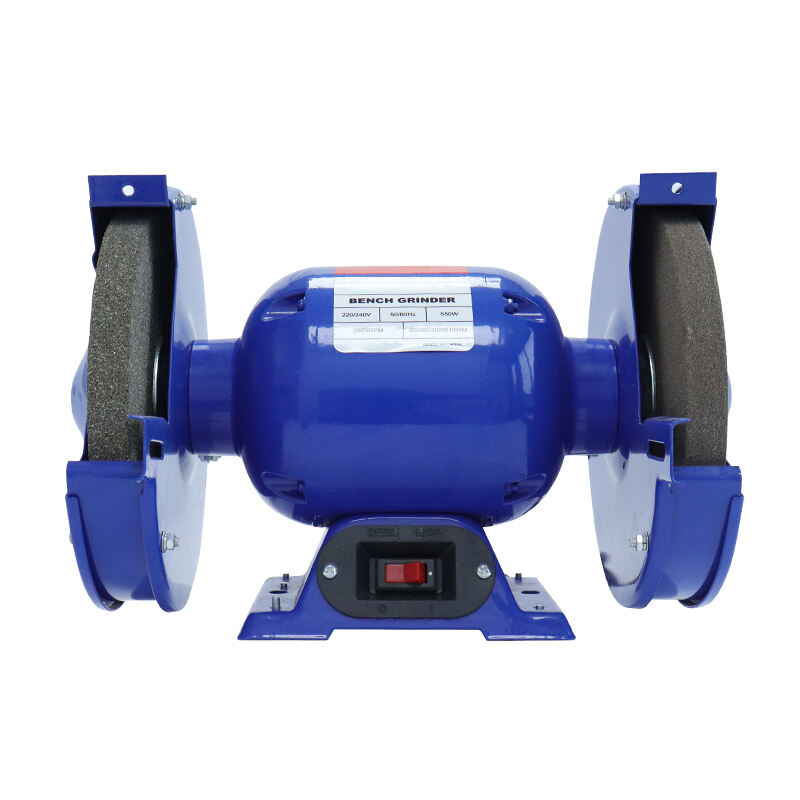
Rock-Solid Stability and User-Centric Safety Features
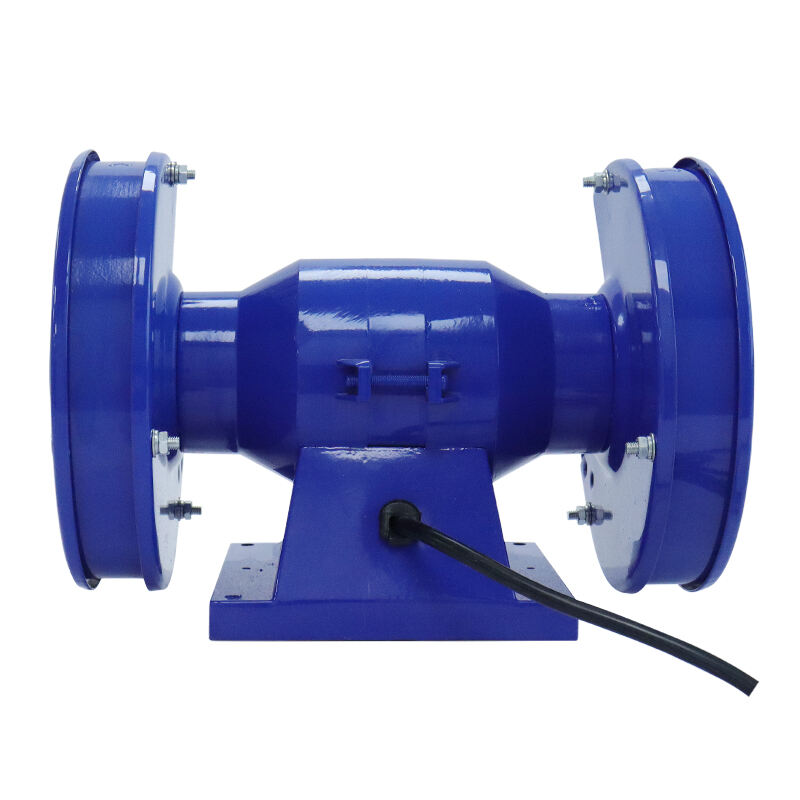
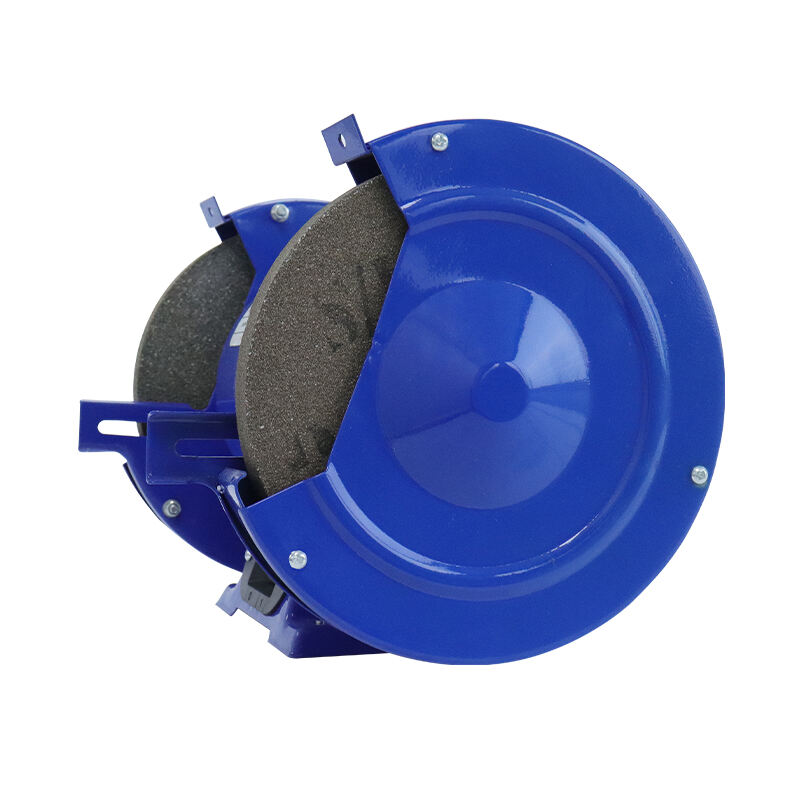
The foundation supporting the best rated bench grinder demonstrates mechanical engineering principles that prioritize operational stability and user safety throughout demanding workshop applications. Heavy-gauge cast iron construction forms the base and motor housing, providing substantial mass that anchors the machine firmly to your workbench and absorbs the considerable rotational forces generated when grinding wheels contact workpieces under pressure. This weight, typically ranging from 30 to 50 pounds for quality models, creates inherent vibration damping that prevents the oscillations and movements that degrade precision and create safety hazards with lightweight alternatives. Pre-drilled mounting holes in the base accommodate lag bolts or machine screws that secure the grinder permanently to your bench surface, creating a rigid installation that remains motionless even during aggressive grinding operations. Rubber feet or vibration-dampening pads positioned beneath the base further isolate any residual vibrations from transmitting into your workbench structure, protecting other tools and projects from disturbance. The best rated bench grinder incorporates water trays positioned beneath each grinding wheel, serving dual purposes of collecting the metal particles and sparks generated during grinding while providing coolant capacity for dipping tools to prevent overheating during extended sharpening sessions. These trays feature sufficient depth to contain substantial debris accumulation before requiring emptying, yet remain easy to remove and clean when maintenance becomes necessary. Integrated work lights, increasingly common on premium models, illuminate the grinding surface directly, eliminating shadows that obscure your view of the contact point between tool and wheel, enabling precise control over grinding angles and material removal rates. The paddle-style power switches found on top models provide large activation surfaces easily operated even while wearing gloves, positioned for intuitive access without requiring you to reach around guards or adjust your stance. Emergency stop functionality allows you to deactivate the motor instantly by striking the switch from any angle, providing crucial safety responsiveness if workpieces catch or unexpected situations develop during operation. The electrical cord typically measures six feet or longer, providing sufficient length to reach standard outlets without requiring extension cords that create tripping hazards in crowded workshop environments. Cord strain reliefs at the motor housing protect against wire fatigue and eventual failure at this high-stress connection point, ensuring electrical reliability throughout the tool's service life.

 EN
EN