Advanced Wheel Technology and Versatile Grinding Capability
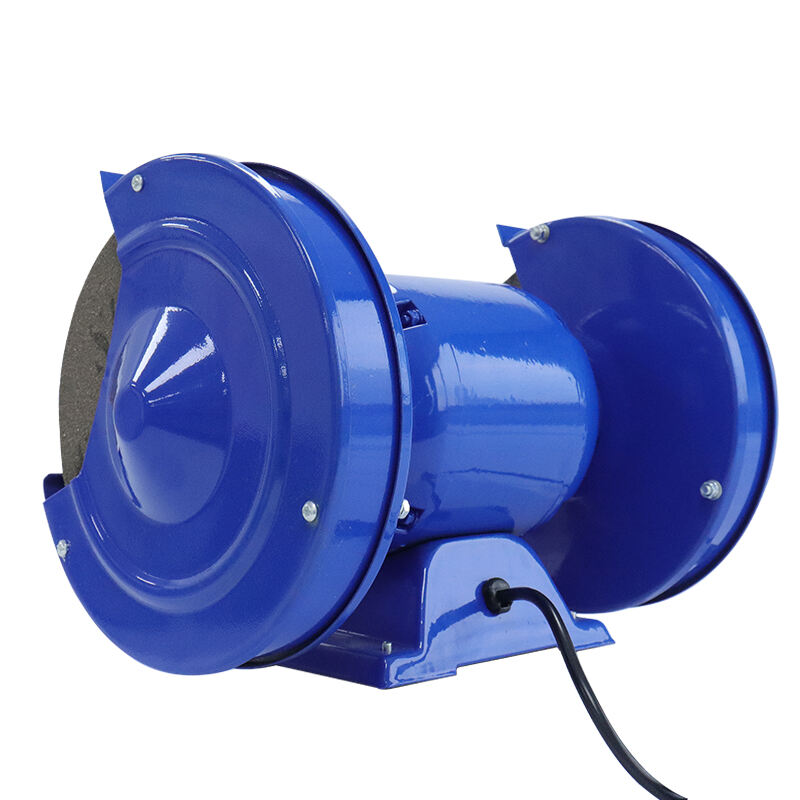
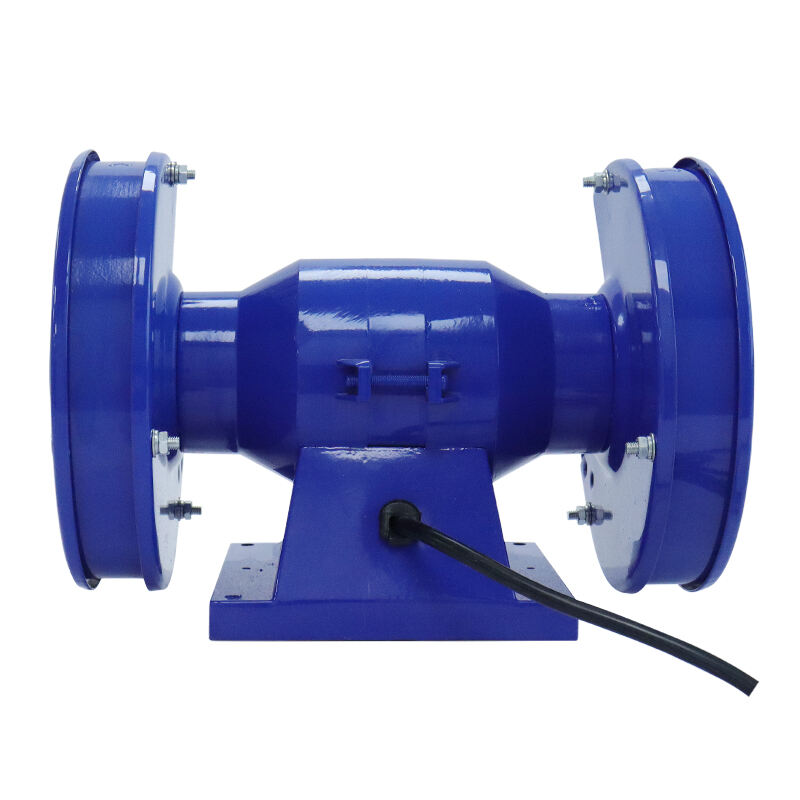
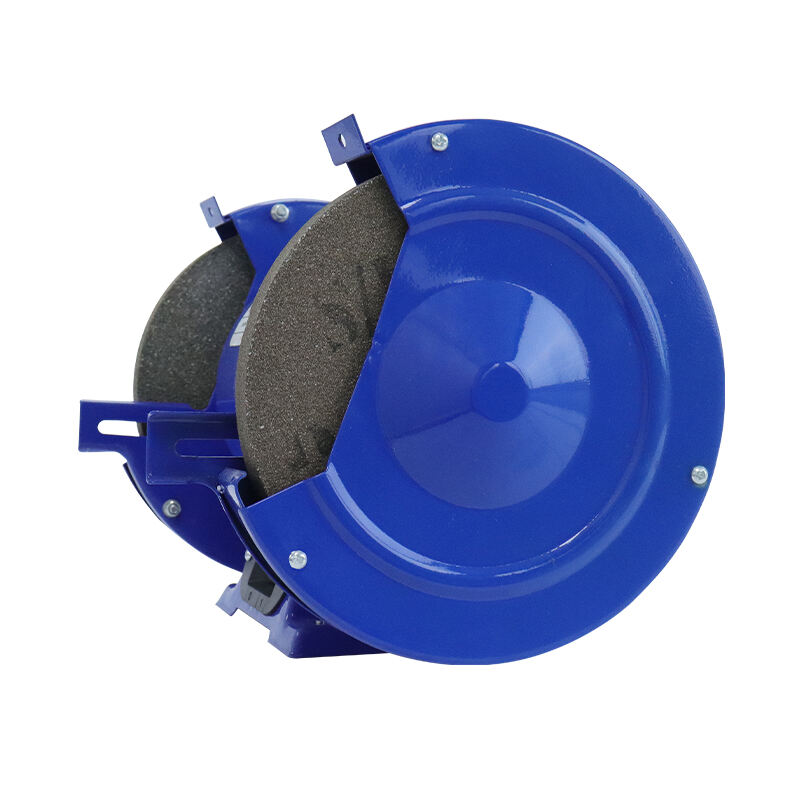
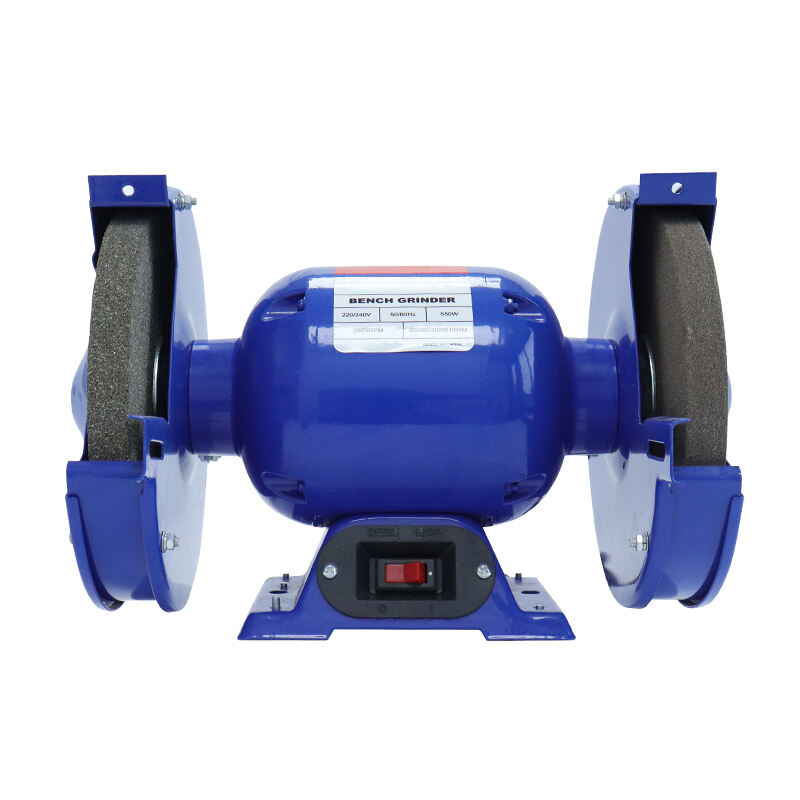
The grinding wheels equipped on industrial bench grinders represent sophisticated abrasive technology that directly determines machine capability and application range. These wheels consist of countless abrasive particles bonded together in a precise matrix, with the abrasive type, grit size, hardness grade, and bond material all carefully selected to optimize performance for specific tasks. Industrial bench grinders typically accommodate wheels ranging from six to ten inches in diameter, with larger wheels providing greater surface contact area and the ability to maintain sharper angles on longer tools. The abrasive particles themselves vary based on intended use, with aluminum oxide wheels excelling for ferrous metals like steel and iron, silicon carbide wheels performing best on non-ferrous materials such as aluminum and brass, and specialized ceramic abrasives delivering superior performance on hardened steels and heat-sensitive alloys. Grit size selection profoundly impacts grinding results, with coarse grits between 36 and 60 removing material rapidly for heavy stock removal and rough shaping, medium grits from 80 to 120 providing balanced cutting action for general-purpose grinding, and fine grits above 150 creating smooth finishes suitable for final edge refinement. The wheel hardness grade determines how readily abrasive particles release from the bond as they dull, with softer grades continuously exposing fresh cutting edges when grinding hard materials and harder grades maintaining wheel form longer when working softer metals. Industrial bench grinders allow users to customize their setup by mounting different wheel types on opposite ends, creating a versatile workstation where coarse grinding and fine finishing happen without tool changes or workflow interruption. Wire wheels and buffing wheels can also replace grinding wheels for specific applications like rust removal, surface cleaning, and polishing operations, further expanding machine utility. The wheel guards surrounding each grinding wheel serve dual purposes of containing debris and providing structural support that would contain wheel fragments in the unlikely event of breakage, with adjustable openings allowing proper positioning while maintaining maximum protection. Tool rests position workpieces at optimal angles relative to the wheel surface, with quality industrial units featuring robust, easily adjustable rests that lock securely and resist deflection under grinding pressure. Understanding and leveraging this wheel technology empowers operators to tackle diverse challenges efficiently, from restoring damaged tools to preparing components for subsequent manufacturing operations.

 EN
EN