Versatile Functionality and Adaptability Across Multiple Trade Applications
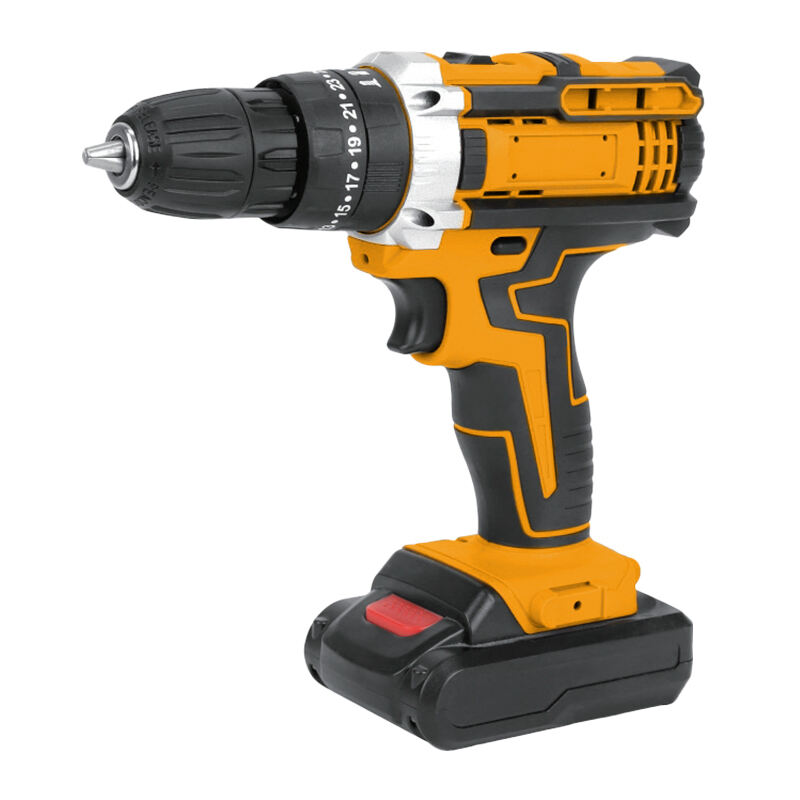
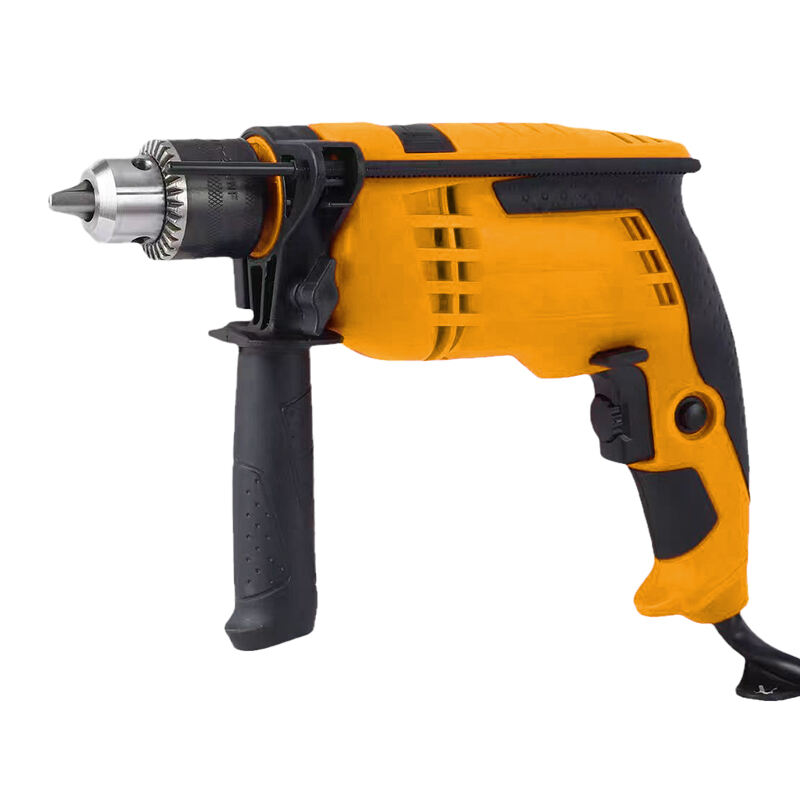
The commercial hammer drill serves as an indispensable multi-function tool that adapts seamlessly across the diverse requirements encountered in professional construction, maintenance, and installation work. This versatility stems from sophisticated mode selection systems that allow operators to switch between standard rotary drilling, hammer drilling, and often chisel-only modes through simple selector switches accessible without interrupting work flow. In standard drilling mode, the commercial hammer drill functions as a powerful conventional drill suitable for wood, metal, and plastic materials, eliminating the need for separate tools when projects involve mixed material types. The hammer drill mode activates the percussive mechanism for efficient penetration of masonry, concrete, and stone, providing the specialized capability that defines these tools while maintaining the rotary action necessary for material removal. Chisel mode, available on many commercial hammer drill models, disables rotation entirely while maintaining the hammering action, transforming the tool into an effective light-duty demolition implement for removing tile, chipping concrete, or breaking up deteriorated masonry. This functional flexibility means contractors can accomplish diverse tasks with a single tool, reducing the equipment investment required to maintain full-service capabilities and simplifying the logistics of tool transportation between job sites. The chuck systems utilized in commercial hammer drill designs accept a wide range of bit sizes and types, from precision masonry bits for small anchor installations to large core bits for creating substantial penetrations for pipe and conduit runs. SDS chuck systems, common in professional-grade models, provide superior bit retention and simplified bit changes compared to traditional chucks, particularly important when working with the larger diameter bits that commercial applications frequently require. The power reserves built into commercial hammer drill motors ensure adequate performance even when using maximum capacity bits, preventing the power degradation and motor strain that occurs when underpowered tools are pushed beyond their optimal operating range. Professional users appreciate the forward and reverse functionality that facilitates both drilling operations and the extraction of jammed bits or removal of fasteners, providing problem-solving capabilities that keep projects moving when unexpected obstacles arise. The adjustable speed ranges available through variable speed controls allow operators to optimize performance for different materials and bit sizes, with slower speeds providing better control for precision work and higher speeds maximizing productivity when drilling multiple holes in consistent materials. Commercial hammer drill compatibility with various accessory attachments extends functionality further, with dust collection attachments, right-angle adapters, and specialized chuck systems expanding the range of applications a single base tool can address effectively.

 EN
EN